World hunger is growing at an alarming rate, with prolonged conflicts, climate change, and COVID-19 exacerbating the problem.
In 2022, the World Food Programme helped a record 158 million people. On this trajectory, the United Nations’ goal to eradicate hunger by 2030 appears increasingly unattainable. New research at McGill University shines the spotlight on a significant piece of the puzzle: international food assistance.

With no global treaty in place, food aid is guided by a patchwork of international agreements and institutions. Using the concept of a “regime complex,” a study published in the Journal of International Trade Law and Policy examines those rules and the systems that shape them.
Rather than create a new entity to solve the problem, the findings point to paradigm shift in the existing systems. Rethinking the dominant discourse among institutions is crucial to work towards zero hunger, posits author Clarisse Delaville, a second-year doctoral student at McGill’s Faculty of Law.
Sign up for the Daily Dose Newsletter and get every morning’s best science news from around the web delivered straight to your inbox? It’s easy like Sunday morning.
“There are two main regimes that govern global food assistance—the trade regime and the food security regime. I encourage a stronger commitment from both regimes to implement a human-rights based approach, in order to question the prominent discourse on food trade regimes, which paints food assistance as a distortion in trade that ought to be minimized,” says Delaville.
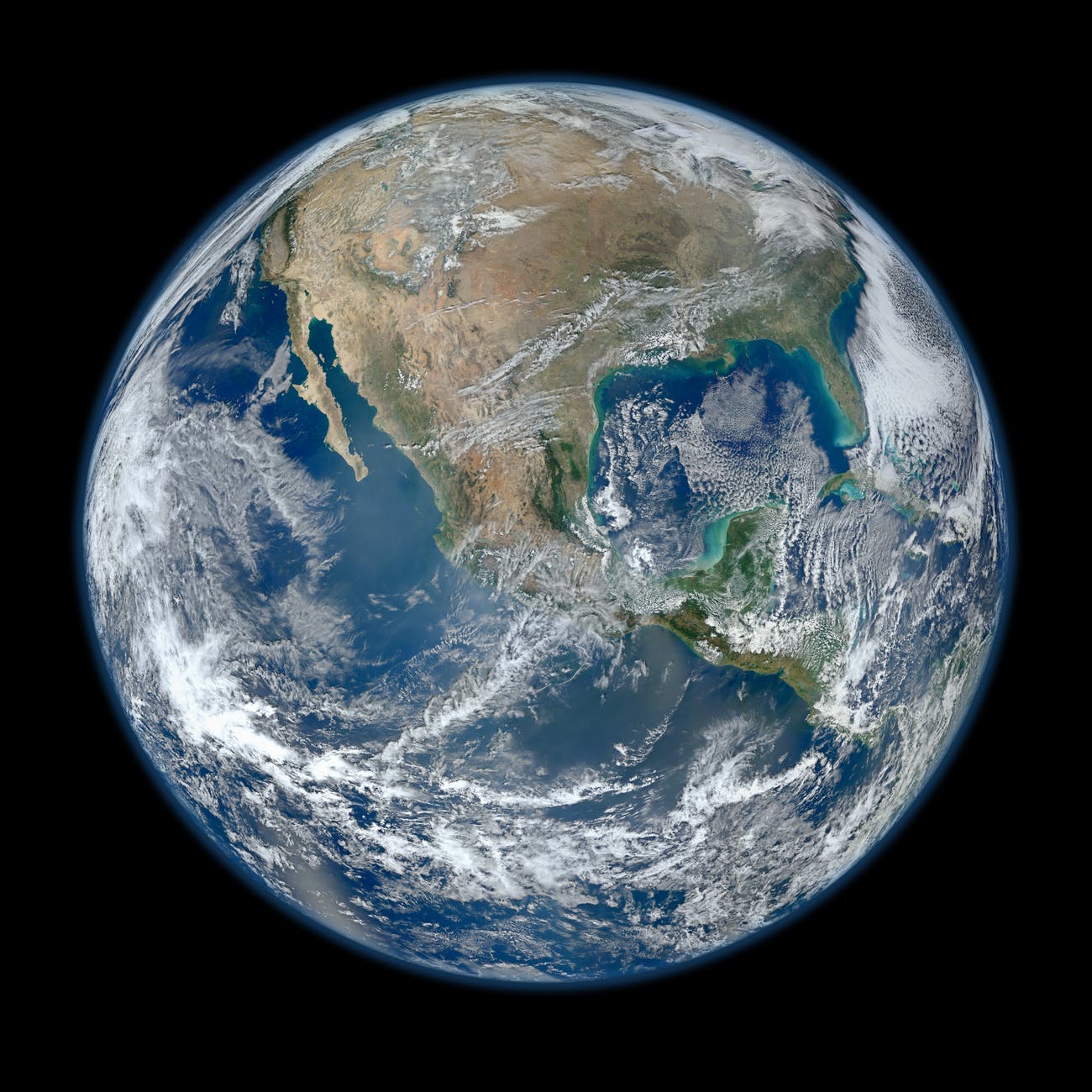
IMAGE CREDIT: NASA.
If you enjoy the content we create and would like to support us, please consider becoming a patron on Patreon! By joining our community, you’ll gain access to exclusive perks such as early access to our latest content, behind-the-scenes updates, and the ability to submit questions and suggest topics for us to cover. Your support will enable us to continue creating high-quality content and reach a wider audience.
Join us on Patreon today and let’s work together to create more amazing content! https://www.patreon.com/ScientificInquirer

Leave a Reply