
Sales of emergency contraception are estimated to rise by around 10% in the US in the week after the New Year holiday, suggesting that this period is associated with increased risks of unprotected sex compared with other holidays, finds a study published in the Christmas issue of The BMJ.
Other holidays such as Valentine’s Day and Independence Day were also associated with an increase in sales, but to a lesser extent.
Although this annual spike in sales might seem humorous, the researchers point out that as many US states have increased restrictions on abortion “it is indicative of unmet contraceptive need that calls for further attention.”
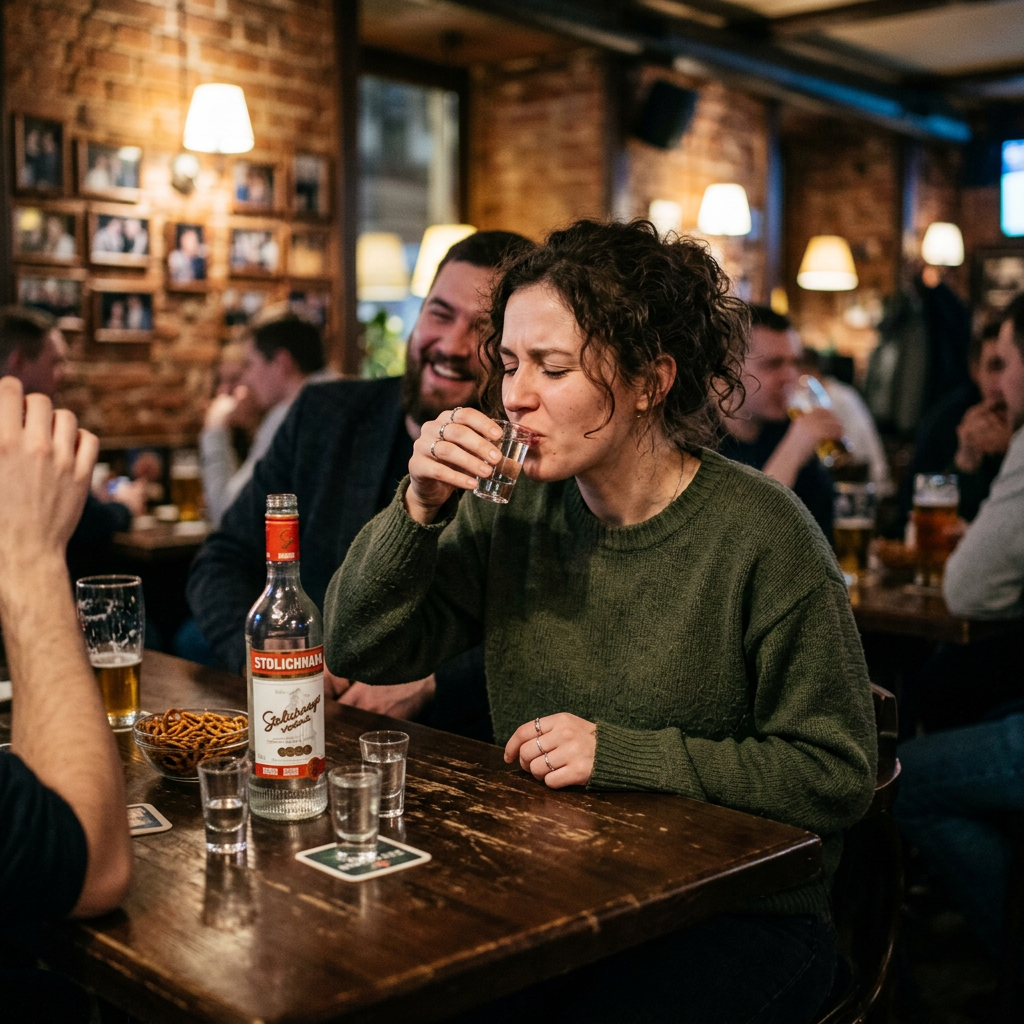
New Year’s Eve celebrations are associated with increased sexual activity, which is less likely to be protected due to increased alcohol intake. New Year’s Eve is also linked to higher rates of sexual assault and limited access to other forms of contraception due to restricted opening hours of clinics, medical offices and shops.

To assess sales of emergency contraception following the New Year holiday, the researchers analysed retail scan data for levonorgestrel, a medication which has been available over the counter with no age restrictions since 2013.
Despite its common nickname as the “morning after pill,” levonorgestrel is effective when taken within 96, and possibly 120, hours after unprotected sex though is more likely to work the sooner it is taken. This makes timely access of critical importance.
They focused on sales in the week following New Year’s Eve and New Year’s Day from 2016 to 2022 in US retail outlets including grocery stores, drug stores, mass merchandisers, club stores, dollar stores, and military outlets.
To account for potential changes in the population at risk of pregnancy, weekly sales were divided by the size of the female population aged 15 to 44 years old.
Overall, sales of levonorgestrel increased by 0.63 units per 1,000 women aged 15 to 44 years old in the week after New Year’s Eve. Based on population estimates in 2022, this equated to almost 41,000 additional pills sold that year.
The researchers also considered other holidays which may be associated with higher unprotected sexual activity, including Valentine’s Day, Independence Day and St Patrick’s Day.
Valentine’s Day was associated with an increase in sales about half of the size of the New Year’s increase: 0.31 units per 1000 women. US Independence Day was associated with a 0.20 increase in sales and St Patrick’s Day was associated with 0.14 increase.
Holidays such as Mother’s Day, Father’s Day and Easter, were not associated with an increase in sales.
The researchers point to some limitations. For example, emergency contraception sales are not synonymous with use and the data do not include emergency contraception acquired through medical clinics, independent pharmacies and online sales. Differences in how and which holidays are celebrated and how reproductive healthcare is accessed may also limit the generalizability of the findings to other settings, they add.
Nevertheless, they say their results suggest that the nature of certain celebrations might make them important public health targets and they suggest that “targeting behavioral risks, prevention strategies to mitigate sexual violence, and improving access to contraception around holidays may limit the risks associated with unprotected vaginal intercourse.”
“More than ever, emergency contraception is a critically important option for people in the US, particularly those living in regions with bans or severe restrictions on abortion,” they write.
“Future work will explore how other dynamics at play in the US context, including state abortion restrictions, affect emergency contraception purchasing behavior and imply potential public health interventions to provide contraceptive care to those who need it the most.”
IMAGE CREDIT: freestocks.org
Sign up for the Daily Dose Newsletter and get the morning’s best science news from around the web delivered straight to your inbox? It’s easy like Sunday morning.


Leave a Reply