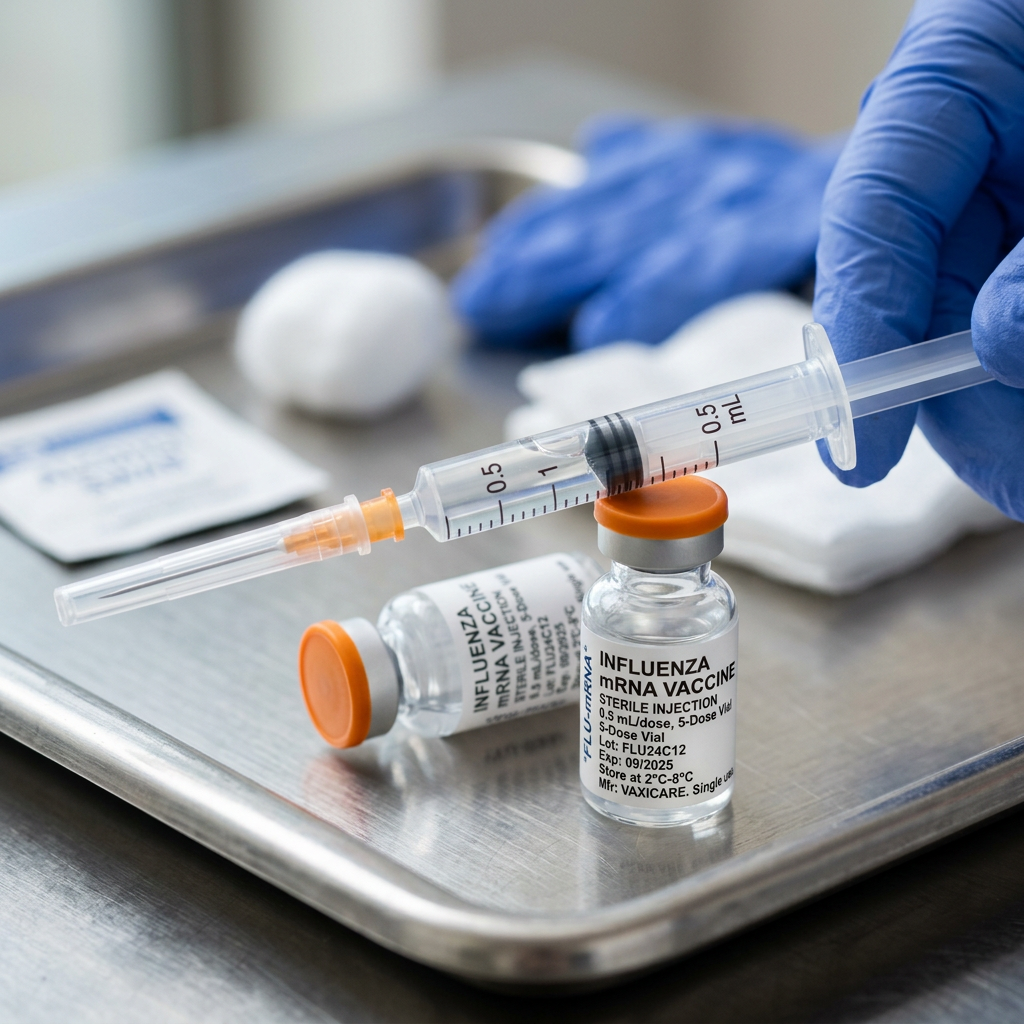
Washington D.C. is trying to reign in scientists who engage in “dangerous” research with microbes. The leash was inevitably going to get shorter. The writing’s been on the wall for a couple of years now. Per Science,
Federally funded scientists who work with potentially harmful bacteria, viruses, and other agents could soon face a major expansion of U.S. government oversight. An expert group last week recommended broadening rules that require universities and funding agencies to determine whether proposed studies count as dual-use research—work that carries the risk of intentionally or accidentally creating a bioweapon. Currently, such reviews are only required for experiments involving 15 dangerous agents. But the panel argues the reviews should now extend to work with all human, plant, and animal pathogens, even those causing only mild disease.

Coming from the National Science Advisory Board for Biosecurity (NSABB), the recommendation reflects the heightened concern about biosafety and biosecurity catalyzed by the COVID-19 pandemic, which some allege originated from a laboratory in Wuhan, China. But the proposal has drawn fierce pushback from many researchers and even one NSABB member. Extending dual-use reviews to all disease-causing viruses, bacteria, and fungi is “a potential for disaster” because it could hamstring even routine studies, warned NSABB panelist Mark Denison, a virologist at Vanderbilt University, at a 27 January meeting. The move and other policy changes could even hinder crucial work to fight pandemics, critics say.

NSABB’s chair, however, downplayed such concerns. “We … suspect this will be a very small subset of research that would ultimately require a full [dual-use] review,” said Gerald Parker, a biosecurity expert at Texas A&M University, College Station. If funding agencies adopt the policy, he said, they will need to clarify how they plan to prevent it from hampering research.
While we’re reigning in dangerous research, how about we put the brakes on nuclear physics research and blatant weapons R&D? https://bit.ly/3XVmAf3
When someone does something wrong, it’s good for them to take responsibility and do some apologizing. That’s what a genetics organization did to make up for its disgraceful legacy of promoting racist eugenic practices. Per Science,
The American Society of Human Genetics (ASHG) apologized today for the participation of some of its early leaders in the eugenics movement, as well as the group’s failure to acknowledge and oppose other past harms and injustices in the field of genetics.

The apology stems from a yearlong ASHG project that resulted in a 27-page report documenting instances of injustices. They range from ASHG leaders who supported forced sterilization to the organization’s silence when genetics was used to justify discrimination against Black people. The findings are “painful” but need to be shared widely, says Brendan Lee, a pediatrician and a geneticist at Baylor College of Medicine and president of ASHG, which has some 8000 members. “How do you build trust if you don’t express remorse and decry what has really gone on inappropriately in the past?”

“It’s been a long time coming,” adds Sarah Tishkoff, a geneticist at the University of Pennsylvania and member of an expert panel that helped guide the report. “And much needed.”
Much needed? *yawn* How about much more needed? https://bit.ly/3kVmbup
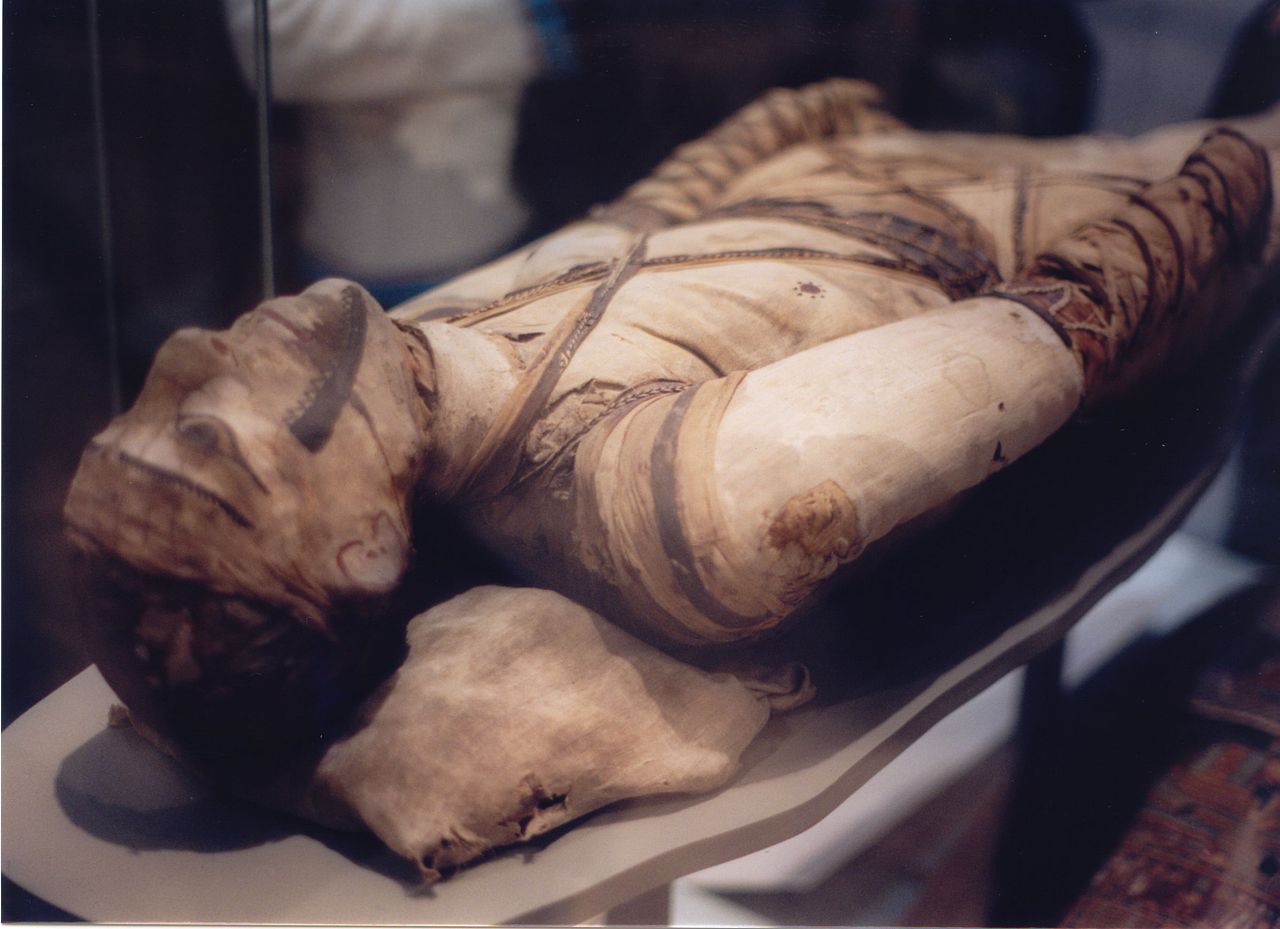
Ever wonder how ancient Egyptians made mummies but didn’t have much faith in modern deductions? Never fear, the answers are here. Per the Associated Press,
For thousands of years, ancient Egyptians mummified their dead in the search for eternal life. Now, researchers have used chemistry and an unusual collection of jars to figure out how they did it.

Their study, published Wednesday in the journal Nature, is based on a rare archaeological find: An embalming workshop with a trove of pottery around 2,500 years old. Many jars from the site were still inscribed with instructions like “to wash” or “to put on his head.”

By matching the writing on the outside of the vessels with the chemical traces inside, researchers uncovered new details about the “recipes” that helped preserve bodies for thousands of years.

“It’s like a time machine, really,” said Joann Fletcher, an archaeologist at University of York who was not involved with the study. “It’s allowed us to not quite see over the shoulders of the ancient embalmers, but probably as close as we’ll ever get.”
Wicked. http://bit.ly/3YhQfi8
Thanks for reading. Let’s be careful out there.

COPY II (PARAGRAPHS 4 – UNTIL END)
IMAGE CREDIT: NASA.


Leave a Reply