A LOST CHURCH, REDISCOVERED.
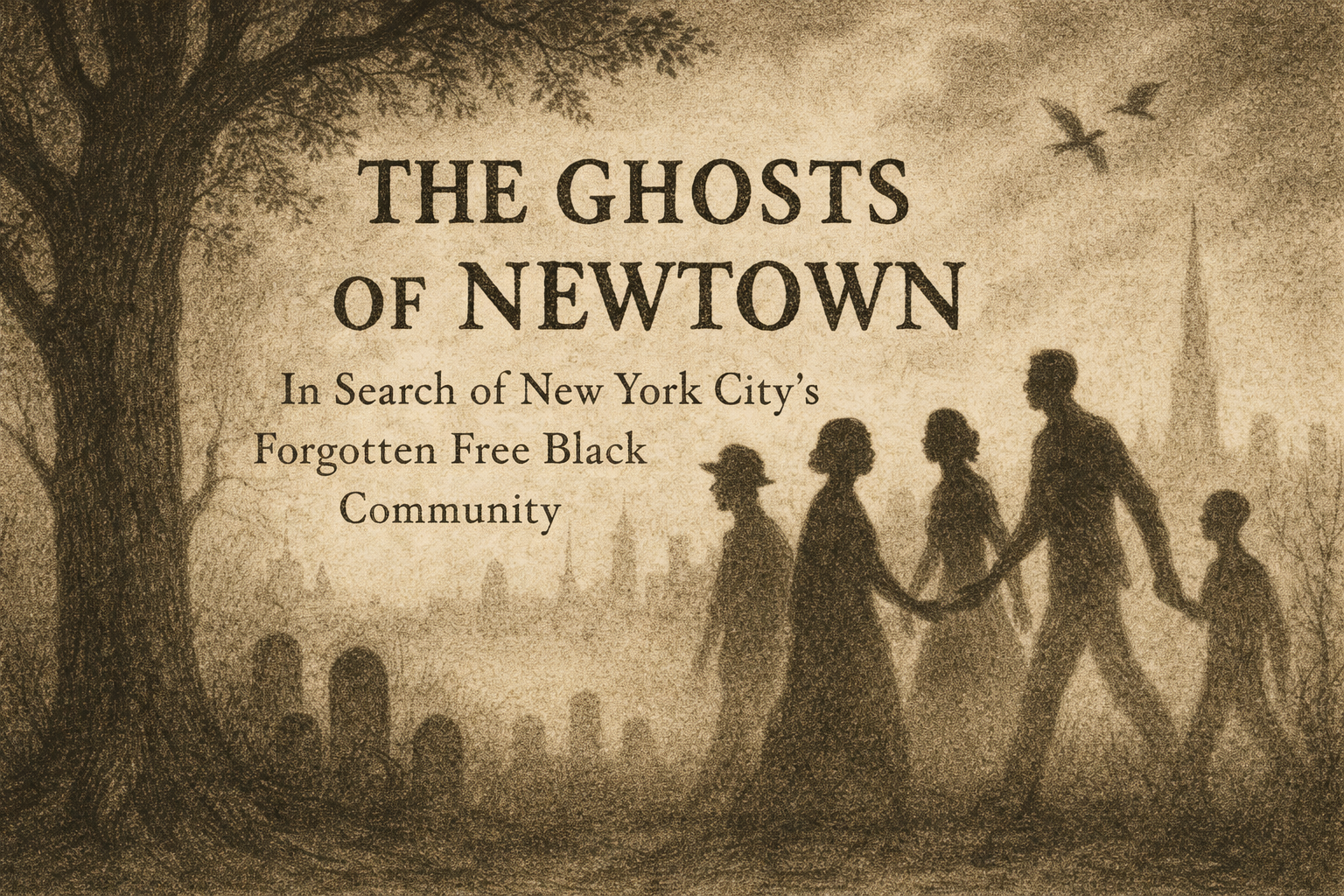
Shortly after gaining their freedom, a group of ex-slaves in Queens, New York purchased a plot of land and established a place to worship which the rapidly growing Free Black Community could call its own. It served as the heart and soul of the thriving population, a meeting place for neighbors, and a nerve-center for abolitionist activity. After being demolished and forgotten by the local community and history, Newtown’s lost Free Black church can be seen here for the first time as part of The Ghosts of Newtown Project. The recreation was made possible by artificial intelligence and the historical record.
SPOTLIGHT


Newtown then and now


LOST Newtown
In Elmhurst, Queens—formerly Newtown—an African burial ground lies buried and largely forgotten beneath the asphalt of a former auto repair shop and parking lot at 90-15 Corona Avenue. This site, once home to the Second Colored Presbyterian Church (later St. Mark’s AME) and an African Free School, served one of New York’s earliest Free Black communities.
This interactive map highlights locations connected to Newtown’s Free Black community as well as the broader Newtown settlement. Each site is marked on a modern map, linking today’s streets and neighborhoods with stories that stretch back centuries.
Newtown once encompassed most of what is now western Queens. Its boundaries extended from Maspeth and Middle Village in the west, through Elmhurst at its center, and north toward Jackson Heights, East Elmhurst, and parts of Corona. To the east, its limits reached toward Flushing, while to the south they bordered on what became Ridgewood.
We will continue to add locations to this map over time, along with accompanying articles where appropriate, in order to build a fuller picture of Newtown’s layered history.
United African Society of Newtown

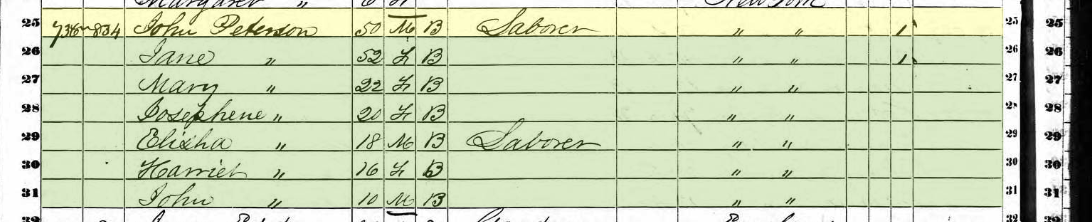
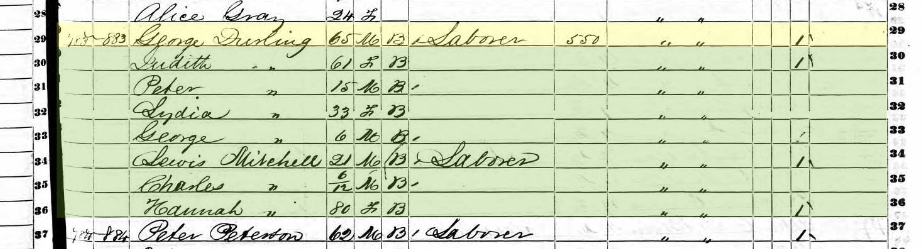
While the Newtown African Church and Burial Grounds served as the physical heart of the Free Black Community, the United African Society of Newtown represented its lifeblood. Formed as the embers of New York’s institutional slavery still burned, it provided community members with resources for burials, care for the sick and poor, and aided educational opportunities. in 1828, the United African Society of Newtown’s founding members — John Peterson (President), George Darling (Vice President), John Coles (Treasurer), John Potter (Secretary), and Thomas Johnson — made the church and burial grounds a reality when it purchased a triangular plot of land on Dutch Lane (now Corona Avenue) from a farmer named William Hunter for the sum of $185.00.
STORIES FROM NEWTOWN


conversations
THE LONG STORY
SLAVERY IN NEWTOWN
FREEDOM IN NEWTOWN


More about newtown
The Vault