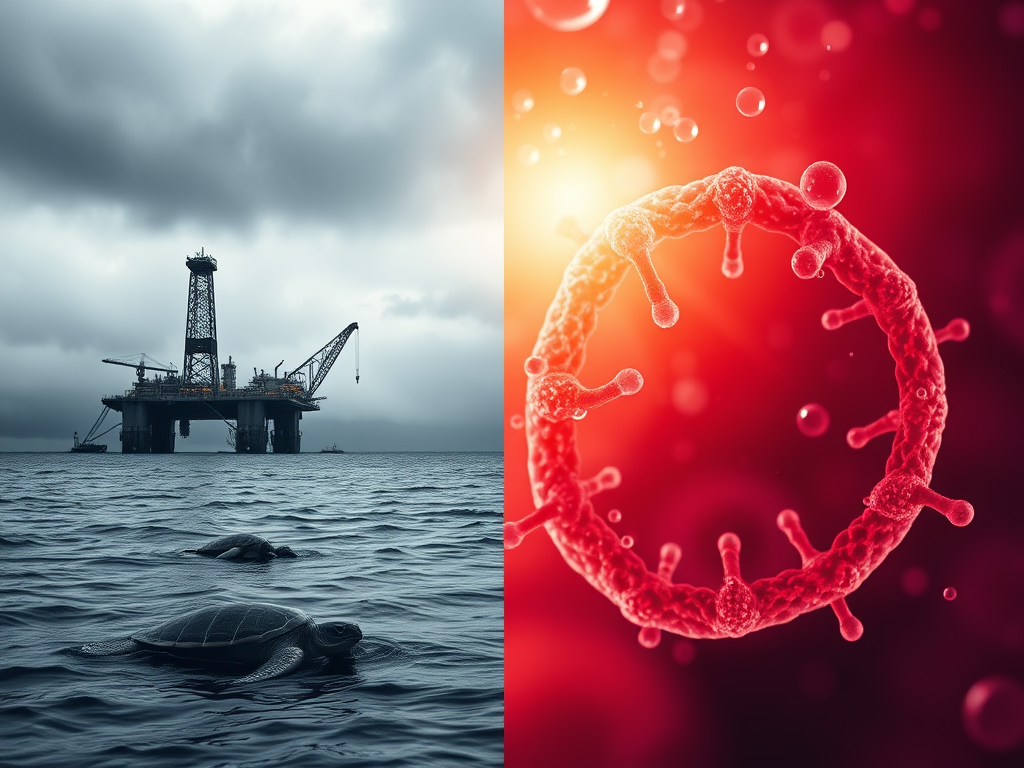
National Security Meets the God Squad: The Trump administration is pushing an unprecedented effort to weaken endangered-species protections for federally regulated oil and gas activity in the Gulf of Mexico by invoking national security. At the center is the rarely convened Endangered Species Committee, known as the “God Squad,” which can override the Endangered Species Act in extreme cases. Critics say the administration is bypassing normal procedures and using a tool meant for last-resort emergencies to advance a political “drill, baby, drill” agenda. The stakes are high: the Gulf is home to endangered sea turtles and Rice’s whales, with only 51 of the latter believed to remain. Legal experts argue the justification is thin, especially since U.S. oil production is already near record highs. (Inside Climate News)
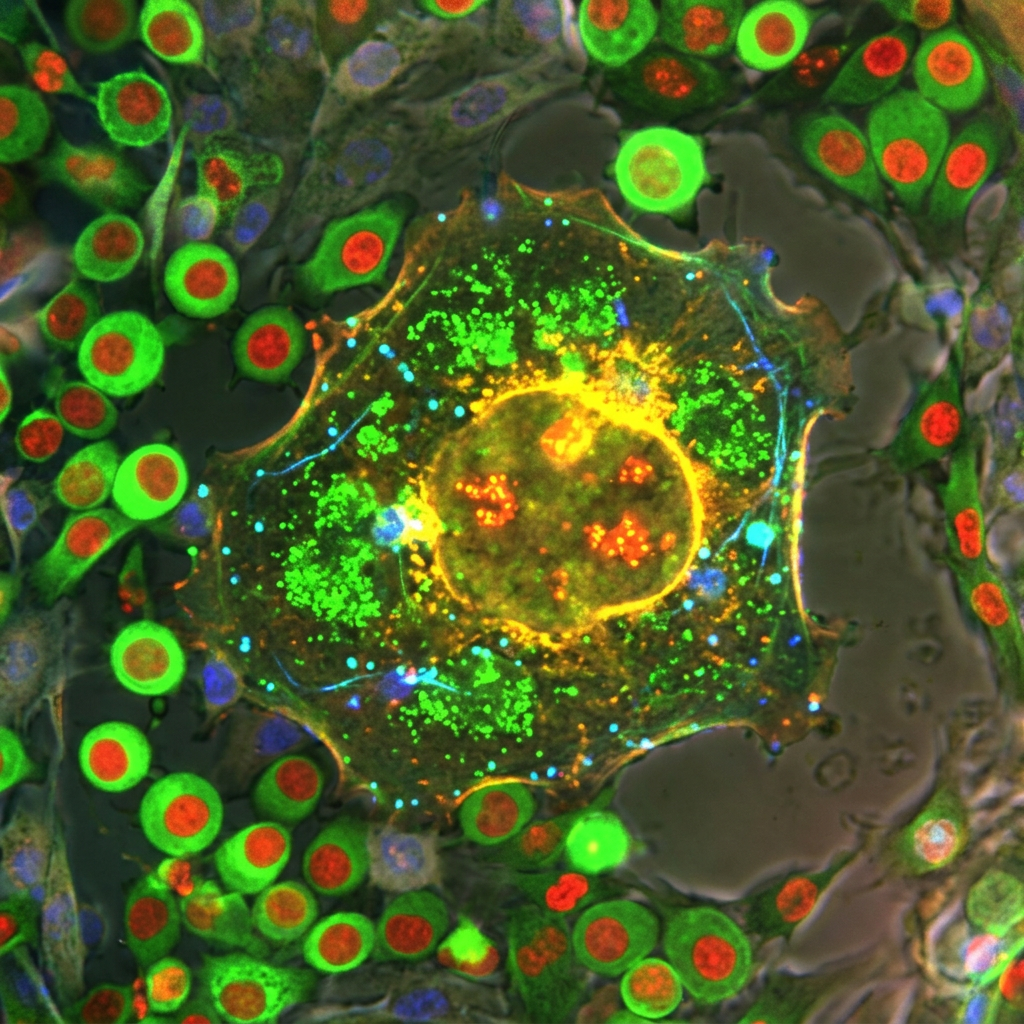
Inflammation’s Long Memory in the Skin: One of the week’s most interesting epigenetics papers asks how inflamed tissue “remembers” earlier damage. In mice, researchers found that epidermal stem cells can keep a long-lived epigenetic memory of psoriasis-like inflammatory flares. The striking part is the mechanism: after inflammation opens the chromatin, CpG-rich DNA sequences help keep those sites poised across cell divisions by combining demethylation, methylation-sensitive transcription factors, nucleosome effects, and the histone variant H2A.Z. That pushes the field beyond the vague idea of “inflammatory memory” toward a more concrete molecular explanation for how tissues become primed for future insults. The work matters because it links sequence architecture itself to the durability of epigenetic states, suggesting that some genomic regions are simply built to remember. (PubMed)
Colitis Leaves an Epigenetic Scar That Helps Tumors Grow: A major Nature paper this week argues that chronic gut inflammation can leave behind a persistent epigenetic record in colonic stem cells, even after the tissue looks healed. In a mouse colitis model, the researchers found that this memory lasted more than 100 days, involved durable changes in chromatin accessibility and AP-1 activity, and was inherited through stem-cell divisions. When those recovered cells later picked up oncogenic changes, tumors grew larger than in controls. That is the important shift: the study does not just say inflammation raises cancer risk in a general way; it offers a mechanistic bridge between past injury and later tumor promotion. It also makes epigenetic memory look less like a biological curiosity and more like a clinically relevant state that might one day be targeted. (Nature)
Alcohol’s Epitranscriptomic Footprint Comes Into Focus: Environmental Epigenetics published a timely study on how alcohol exposure may reshape RNA regulation through m6A machinery. In cell models, chronic ethanol broadly suppressed the expression of many m6A “writer,” “eraser,” and “reader” genes, while withdrawal largely restored those levels; acetaldehyde produced subtler effects. The authors also looked at RNA-seq data from reward-related brain regions in people with alcohol use disorder and found trends toward altered expression of these same regulators. This is notable because it shifts some attention away from DNA methylation and histones toward epitranscriptomics, an area increasingly seen as central to how environmental exposures affect cellular behavior. The paper does not settle causality, but it strengthens the idea that alcohol may perturb RNA-marking systems involved in addiction biology and neural response. (OUP Academic)
BPA and the Problem of Inherited Reproductive Risk: Another recent Environmental Epigenetics review surveys the evidence that bisphenol A can alter reproductive biology not only in directly exposed males but potentially across generations through epigenetic mechanisms. The review highlights DNA methylation changes, histone acetylation changes, disrupted histone-to-protamine transitions, and altered sperm small RNAs and microRNAs as possible carriers of that risk. What makes this worth watching is not just the toxicology angle, but the translational one: the authors also discuss candidate interventions, from epigenetic drugs to natural compounds such as resveratrol, naringenin, and genistein. As with many transgenerational epigenetics topics, the field still has to sort signal from hype. But given BPA’s ubiquity, this review helps frame why endocrine disruptors remain an epigenetics story, not merely a chemicals story. (OUP Academic)
Circadian Clocks Are Also Chromatin Machines: A new Trends in Biochemical Sciences review synthesizes how chromatin dynamics help run circadian clocks across fungi, flies, and mammals. The authors emphasize that rhythmic biology is not just a matter of transcription factors cycling on and off. DNA and RNA methylation, histone modifications, noncoding RNAs, and broader chromatin structure all help shape the oscillation of core clock genes. That matters because circadian disruption is increasingly tied to metabolism, immunity, cancer, and aging, yet public discussion often flattens it into a simple sleep story. This review suggests that clock biology is really a chromatin-coordinated timing system. It also underlines a practical point: future circadian therapeutics may need to think in epigenetic terms, because the clock’s stability and plasticity appear to depend heavily on chromatin state. (PubMed)
A New Epigenetic Angle on Fetal Hemoglobin Therapy: A Blood paper this week digs into why CRISPR disruption of a BCL11A enhancer works so well for beta-hemoglobin disorders. The researchers describe an enhancer-dependent chromatin “rosette” that maintains epigenetic insulation around BCL11A in erythroid cells. When that enhancer is disrupted, enhancer RNAs and cohesin loading fall, the rosette destabilizes, insulation breaks down, BCL11A is silenced, and fetal hemoglobin is reactivated. The significance here is conceptual as much as therapeutic. Instead of thinking only in terms of deleting regulatory DNA, the study reframes success as the collapse of an epigenetic architecture that sustains the adult hemoglobin program. That opens the door to strategies beyond gene cutting, including antisense approaches against enhancer RNAs, which the study also found could silence BCL11A and raise fetal hemoglobin. (PubMed)
How a Clonal Crayfish Becomes a Better Invader: One of the stranger and more fascinating epigenetics stories of the week comes from Nature Communications: marbled crayfish, a globally invasive clonal species, seem to use epigenetic plasticity to compensate for their near-absence of genetic diversity. The study found that environmental change downregulates Dnmt1, and experimentally knocking it down increased invasiveness-related behaviors. That was accompanied by global loss of gene-body DNA methylation, shifts in immune-cell composition, depletion of neuronal precursors, and changes in nucleosome stability and gene expression. The broader importance is ecological. Invasion biology has long wrestled with how genetically uniform species adapt so quickly to new environments. This paper gives one of the clearest mechanistic cases yet that DNA methylation and chromatin organization can help canalize, then release, phenotypic traits tied to invasive success. (Nature)
COVID Vaccines and Sudden Death – Another Safety Claim Fails: Stepping outside epigenetics, one of the week’s more important public-health stories came from CIDRAP’s coverage of a Canadian case-control study in PLOS Medicine. Looking at nearly 6.4 million Ontario residents ages 12 to 50 without major chronic illnesses, researchers found no increased rate of sudden death within six weeks of a first, second, or third COVID vaccine dose. In fact, vaccinated adolescents and young adults were 43% less likely to experience sudden death than unvaccinated peers. The broader significance is less about novelty than correction. A persistent online claim has been that COVID vaccines are driving unexplained sudden deaths in young people. This study adds large-scale evidence against that narrative and reinforces earlier safety findings from athlete and mortality datasets. (CIDRAP)
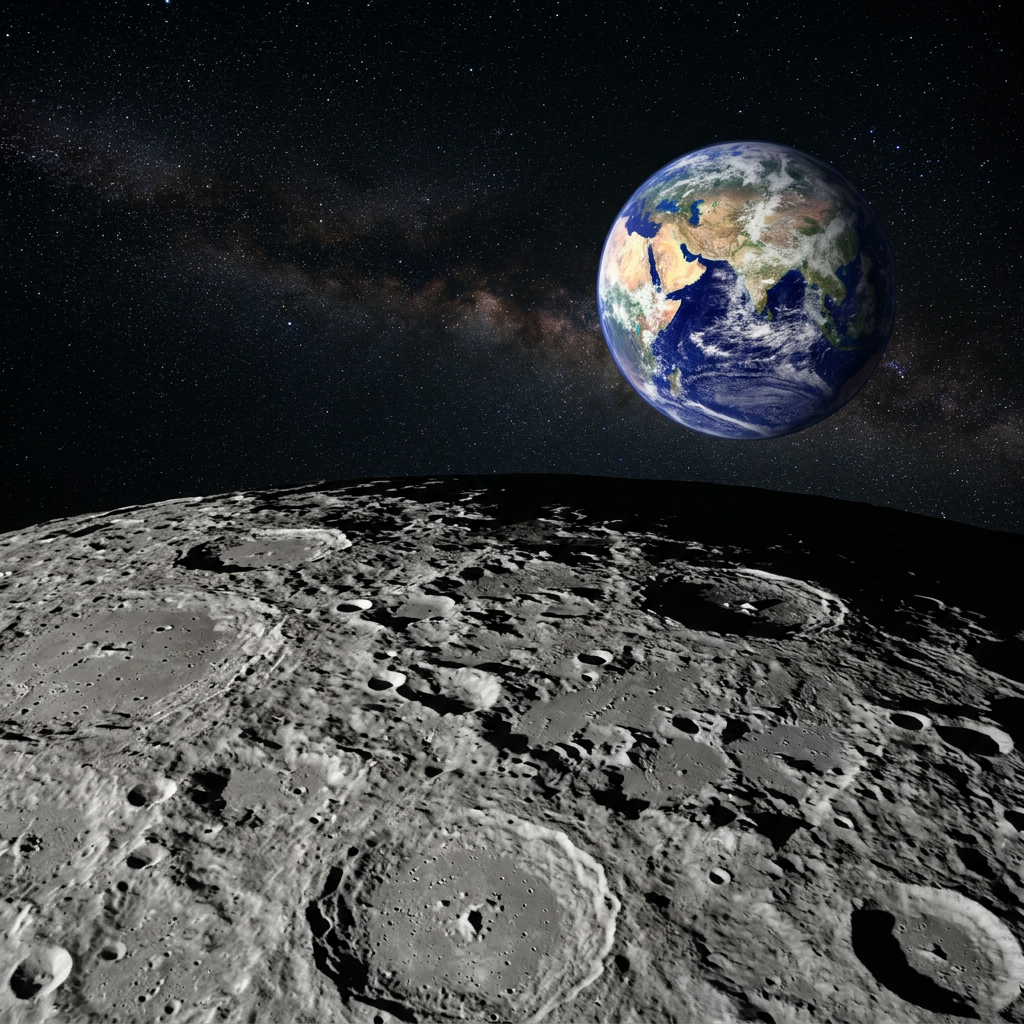
Hubble Catches a Comet Reversing Its Spin: NASA highlighted one of the week’s best space stories: Hubble has found evidence that comet 41P/Tuttle-Giacobini-Kresák not only slowed dramatically after its 2017 solar pass, but likely nearly stopped and then began rotating in the opposite direction. The simplest explanation is that outgassing jets acted like tiny thrusters, first braking the comet and then forcing it into reverse. That is important because it is the first observed case of a comet reversing its spin, and it offers a rare real-time look at how small bodies evolve mechanically under solar heating. Hubble’s follow-up also suggests that the comet’s gas output has dropped by about an order of magnitude since 2001, implying rapid surface evolution. This is the kind of result that makes cometary physics feel less static and more alive. (NASA Science)
AI Finds a Fresh Haul of Exoplanets in TESS Data: For the technology side of the brief, a University of Warwick team reported that its AI pipeline, RAVEN, validated 118 planets and more than 2,000 strong candidates in TESS data, including 31 newly detected planets. The team applied the system to observations of more than 2.2 million stars from TESS’s first four years, with particular focus on close-in planets orbiting in fewer than 16 days. Beyond the raw count, the methodological point is the bigger one: RAVEN is built to handle detection, vetting, and statistical validation in one pass, which helps produce cleaner samples for population-level astronomy. That let the authors refine occurrence estimates for short-period planets and put a direct number on how sparse the so-called “Neptunian desert” really is. AI is not replacing astronomy here; it is becoming part of the telescope’s afterlife. (University of Warwick)

COPY II (2-3 PARAGRAPHS)
IMAGE CREDIT: NASA.


Leave a Reply