A highway crash in Mississippi this week thrust research primates into the spotlight when a truck transporting rhesus monkeys overturned on Interstate 59, allowing several to escape. The incident, which resulted in some monkeys being killed due to miscommunication about their health status, has reignited debate about the use of primates in scientific research.
Why Rhesus Monkeys?
Rhesus monkeys rank among the most extensively studied animals in biomedical research. Scientists favor them because their anatomical and physiological systems closely mirror those of humans, making them valuable models for understanding human disease and developing treatments. This biological similarity has made rhesus monkeys instrumental in breakthrough research, from developing polio vaccines to studying HIV/AIDS and neurological disorders.
The monkeys involved in the Mississippi incident were being transported from Tulane University’s National Biomedical Research Center, which provides primates to research organizations nationwide. According to Tulane, these particular monkeys had not been exposed to any infectious agents—a fact that contradicts initial reports from the truck driver that led to their deaths.
Current Research Applications
Today, research primates contribute to studies spanning multiple fields. They help scientists understand brain function, test potential treatments for Parkinson’s and Alzheimer’s diseases, and develop vaccines for emerging infectious diseases. Reproductive health research, cardiovascular studies, and behavioral neuroscience all rely heavily on primate models when other alternatives cannot adequately replicate human physiology.
Strict regulations govern primate research in the United States. The Animal Welfare Act requires facilities to meet specific standards for housing, veterinary care, and humane treatment. Institutional Animal Care and Use Committees must approve all research protocols, weighing scientific merit against animal welfare concerns.
The Growing Opposition
Animal rights advocates argue that primate research represents an ethical boundary that science should no longer cross. Organizations like Humane Society for Animals contend that these “intelligent, social animals deserve protection, not exploitation.” Critics point to the animals’ complex emotional lives, self-awareness, and capacity for suffering as reasons to end their use in laboratories.
The movement toward alternatives has gained momentum. Computer modeling, organ-on-a-chip technology, and human cell-based systems increasingly offer viable options for certain types of research. Advocates argue these methods can be more accurate than animal models while eliminating ethical concerns entirely.
Looking Forward
The Mississippi incident underscores the complex realities of primate research—from transportation logistics to communication failures that can have fatal consequences. As this debate continues, the scientific community faces pressure to balance the pursuit of medical breakthroughs with evolving ethical standards regarding animal welfare.
Whether through stricter regulations, increased investment in alternatives, or gradual phase-outs of primate research, change appears inevitable. The question remains: how quickly can science develop methods that preserve research progress while addressing legitimate concerns about using our closest genetic relatives as experimental subjects?
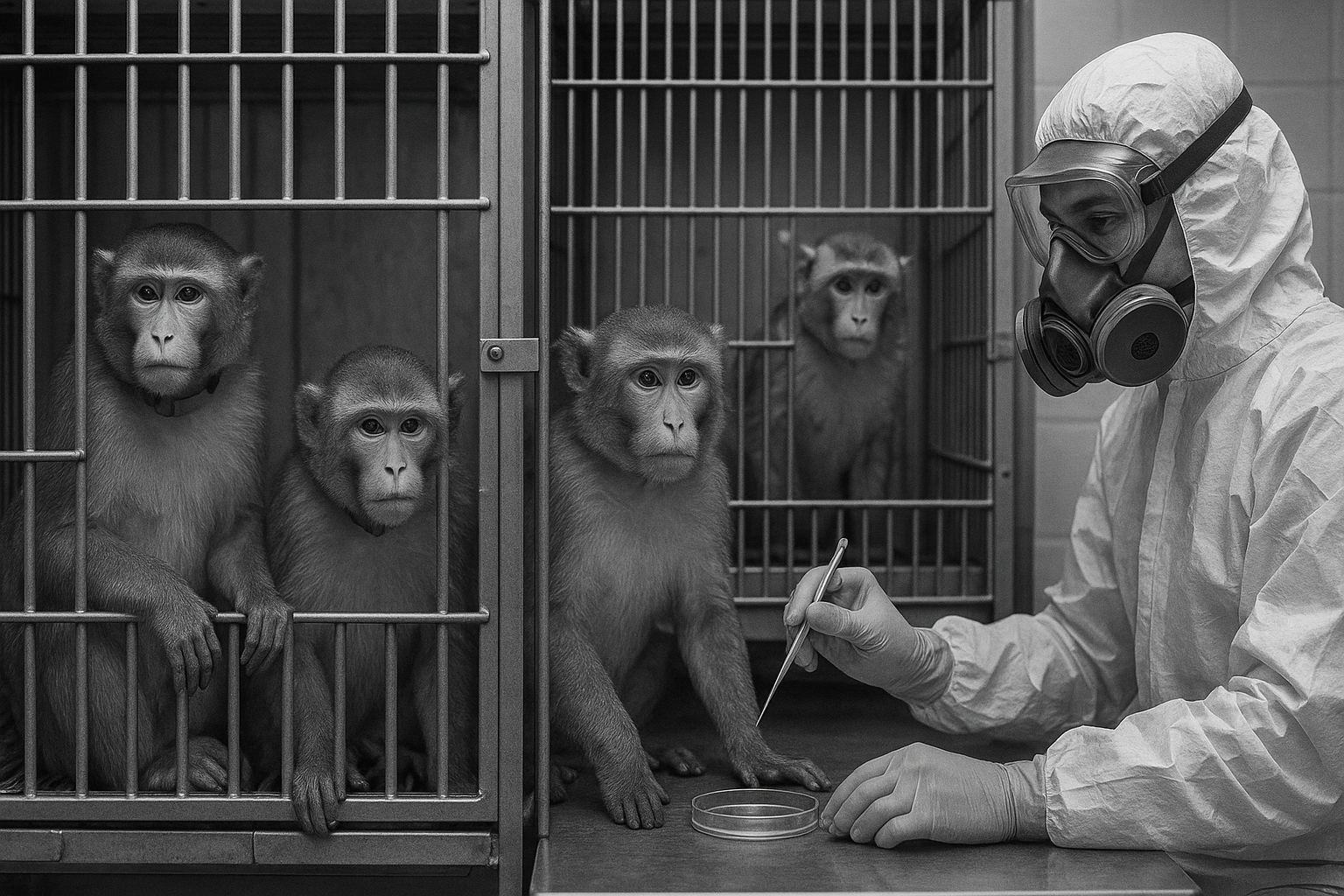
Lab Monkeys in Research: Understanding Their Role and the Ethics Debate
A highway crash in Mississippi this week thrust research primates into the spotlight when a truck transporting rhesus monkeys overturned on Interstate 59, allowing several to escape. The incident, which resulted in some monkeys being killed due to miscommunication about their health status, has reignited debate about the use of primates in scientific research. Why…
2–3 minutes



Leave a Reply