A clinical trial conducted at Texas A&M University suggests that lean pork protein may offer notable advantages over plant-based alternatives when it comes to recovery, mood, and inflammation in military cadets following strenuous exercise.
In the double-blind, crossover study, cadets performed the Army Combat Fitness Test (ACFT) and were then provided with Meals Ready-to-Eat (MREs) matched for calories and macronutrients—but differing in protein source: one set based on lean pork, the other entirely plant-based.
Pork Powers Physiological Recovery
Cadets who consumed the pork-based MREs displayed a range of promising physiological responses. They had lower cortisol levels and a higher testosterone-to-cortisol ratio, indicating a more favorable anabolic state—key for muscle repair and recovery. These individuals also showed reduced urinary nitrogen losses, suggesting decreased protein breakdown, and reported noticeably less muscle soreness, particularly in their thighs. Inflammation markers like IL-8 were also significantly lower.
Beyond these biological markers, cadets who ate pork MREs experienced improvements in sleep quality and self-reported mood scores, alongside heightened appetite satisfaction. Notably, depression assessments revealed a striking reduction—over 50%—within just 48 hours of consuming pork-based meals.
One of the study leaders observed that “these physiological markers tell us that the cadets recovered better with pork,” noting enhanced recovery, improved mood, and more restful sleep in individuals fed lean pork.
Sign up for the Daily Dose Newsletter and get every morning’s best science news from around the web delivered straight to your inbox? It’s easy like Sunday morning.
Performance Was Comparable, But Recovery Was Enhanced
While both diet groups managed to maintain performance on the ACFT after 72 hours, the pork-fed cadets demonstrated superior post-exercise recovery on multiple fronts. The plant-based group showed slower hormonal recovery and more muscle soreness, underscoring the influence of protein quality—not just quantity—on recovery.
Implications for Military Meal Planning
Currently, only one of the 14 U.S. military MRE menus includes pork, even as demand for field-ready, high-quality nutrition grows. The study’s authors propose that incorporating more pork-based options—or enhancing plant-based meals with key amino acids and creatine—could significantly benefit tactical readiness.
In the words of a senior investigator on the project, “These were real cadets under military protocols, consuming real meals that looked and tasted like field-ready MREs. The data suggest that pork can be a valuable asset for tactical fueling.”
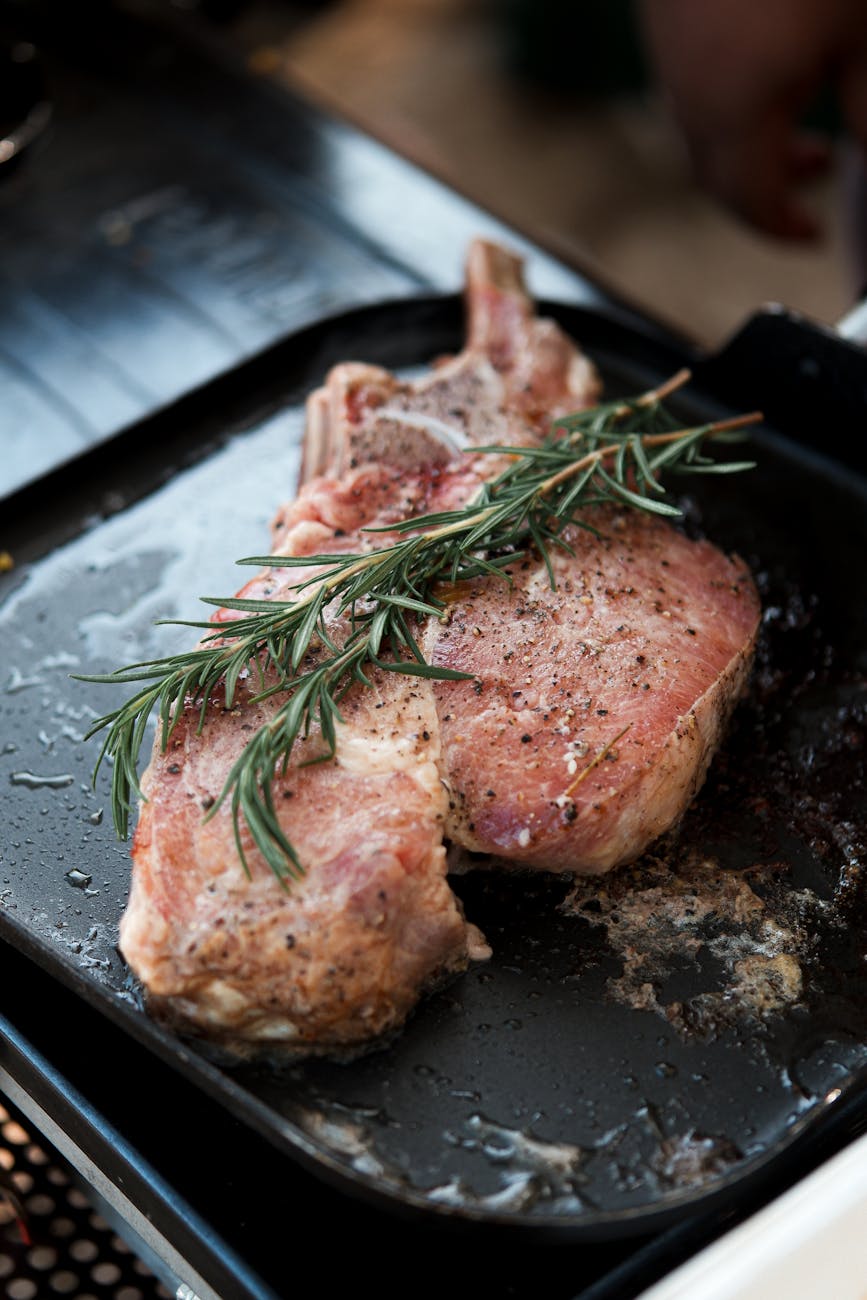
IMAGE CREDIT: Bimbim Sindu



Leave a Reply