
STATES SUE OVER COVID FUNDING CUTS AND LAYOFFS
On the same day the Department of Health and Human Services (HHS) announced significant layoffs and restructuring, 23 states filed a federal lawsuit against the government for cutting $11 billion in funding for COVID and other public health programs. The lawsuit, filed in Rhode Island, argues the cuts were illegal and lacked a rational basis. The reductions threaten essential public health services and jeopardize state preparedness for pandemics. Minnesota, among the states involved, reported that 170 employees were laid off due to the funding cuts, which also impacted crucial programs like measles surveillance and vaccination efforts. The cuts, justified by the end of the COVID emergency, are seen as harmful to broader public health infrastructure. Meanwhile, concerns have arisen over recent changes at the FDA, including the departure of Peter Marks, and lawmakers are calling for hearings to address the implications of these actions on public health. (CIDRAP)
MIT CREATES DETAILED BRAIN MAP USING MOVIE CLIPS
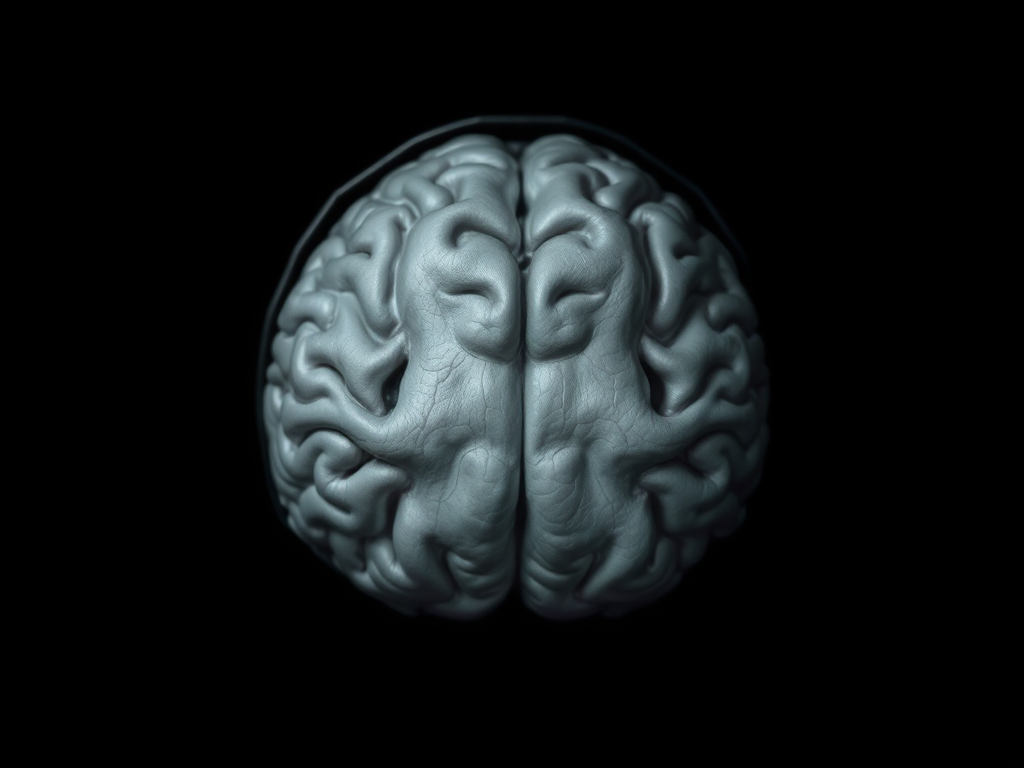
MIT researchers have created the most detailed map of the brain’s cerebral cortex by analyzing brain scans of people watching movie clips. Using functional magnetic resonance imaging (fMRI), the team identified 24 networks involved in processing language, social interactions, sensory input, and more. Unlike previous studies that used single tasks or resting states, this new approach used engaging movies to activate various brain regions, providing a more comprehensive view of brain function. The study, part of the Human Connectome Project, used a 7-Tesla MRI scanner to track brain activity in 176 individuals. Researchers found both familiar and new networks, including those in sensory regions and the prefrontal cortex, as well as executive control networks that manage transitions between movie scenes. The study provides a fresh perspective on brain activity in naturalistic settings and offers hypotheses for further research into the organization of the cerebral cortex. (MIT)
NIH DIRECTORS REMOVED AMID TRUMP ADMINISTRATION RESTRUCTURING
On Jay Bhattacharya’s first day as head of the US National Institutes of Health (NIH), four directors of major institutes were removed from their posts amid significant funding cuts. The directors, overseeing $9 billion in funding, were placed on administrative leave, with some offered reassignment to the Indian Health Service (IHS). This unprecedented move is part of a larger restructuring effort at the NIH under President Trump’s second term, which includes a 20% workforce reduction. Critics, including experts in public health, have decried the loss of experienced leaders and the negative impact on research, especially in areas like HIV prevention and vaccine studies. The NIH has also canceled over 700 research grants on topics such as LGBTQ+ health, diversity, and environmental justice, which align with Trump’s political agenda. This reshuffling marks a dramatic shift in the NIH’s operations, consolidating power under the NIH director and challenging the agency’s autonomy. (Nature)
SHINGLES VACCINE MAY LOWER DEMENTIA RISK IN OLDER ADULTS
A recent study published in Nature suggests that shingles vaccines may help reduce the risk of dementia in older adults. The research found that shingles vaccination lowered the risk of developing dementia by 20% over seven years, particularly benefiting women, who are at higher risk for dementia. The study tracked individuals in Wales who received the first-generation shingles vaccine over a decade ago. While the exact link between shingles and dementia remains unclear, viruses like chickenpox, which reactivates as shingles, are thought to contribute to dementia by causing inflammation and interfering with brain blood flow. The newer Shingrix vaccine is now recommended for those aged 50 and older, offering more effective protection. With dementia rates rising in an aging population, these findings could encourage more people to get vaccinated, especially as other lifestyle factors like exercise and diet also play a role in brain health. (AP)

BONOBOS MAY COMBINE SOUNDS SIMILAR TO HUMAN LANGUAGE
A new study published in Science suggests that bonobos, a close relative of chimpanzees, may have the ability to combine sounds in a way that resembles human language. The researchers, led by Dr. Simon Townsend, found that bonobos frequently paired certain calls, and in some cases, the combination seemed to convey a new meaning, beyond the individual calls. This discovery builds on earlier research with chimpanzees, where similar patterns were observed, particularly with calls that seemed to signal a specific event, like encountering a snake. The study analyzed over 400 hours of bonobo calls and identified four pairs of calls that appeared to convey a distinct message. While some researchers remain skeptical, arguing that true compositionality requires syntax, the study suggests that the ability to combine sounds for new meanings may be an early step in the evolution of language, with implications for understanding communication in our common ancestors. (New York Times)
GENETIC STUDY REVEALS UNKNOWN POPULATION IN ANCIENT SAHARA
A recent genetic study has uncovered the DNA of two women buried in a cave in southern Libya, revealing a previously unknown population that lived in the Sahara around 5,000 BCE, during its lush, monsoon-heavy period. This marks the first time ancient genomes have been obtained from the Sahara. The findings challenge prior theories suggesting migrants from sub-Saharan Africa and the Mediterranean influenced the region’s population. Instead, the women’s genomes indicate their ancestors were distinct from sub-Saharan Africans and had minimal Neanderthal ancestry, suggesting a population separate from both modern Africans and non-Africans. Despite evidence of cultural exchange, such as pottery resembling that of North Africa, no gene flow from outside the Sahara was detected. The study sheds light on the early human populations of the green Sahara, but further research is needed to fully understand this ancient group, as political instability makes continued excavation challenging. (Science)
Thanks for reading. Let’s be careful out there.
WORDS: The Biology Guy.



Leave a Reply