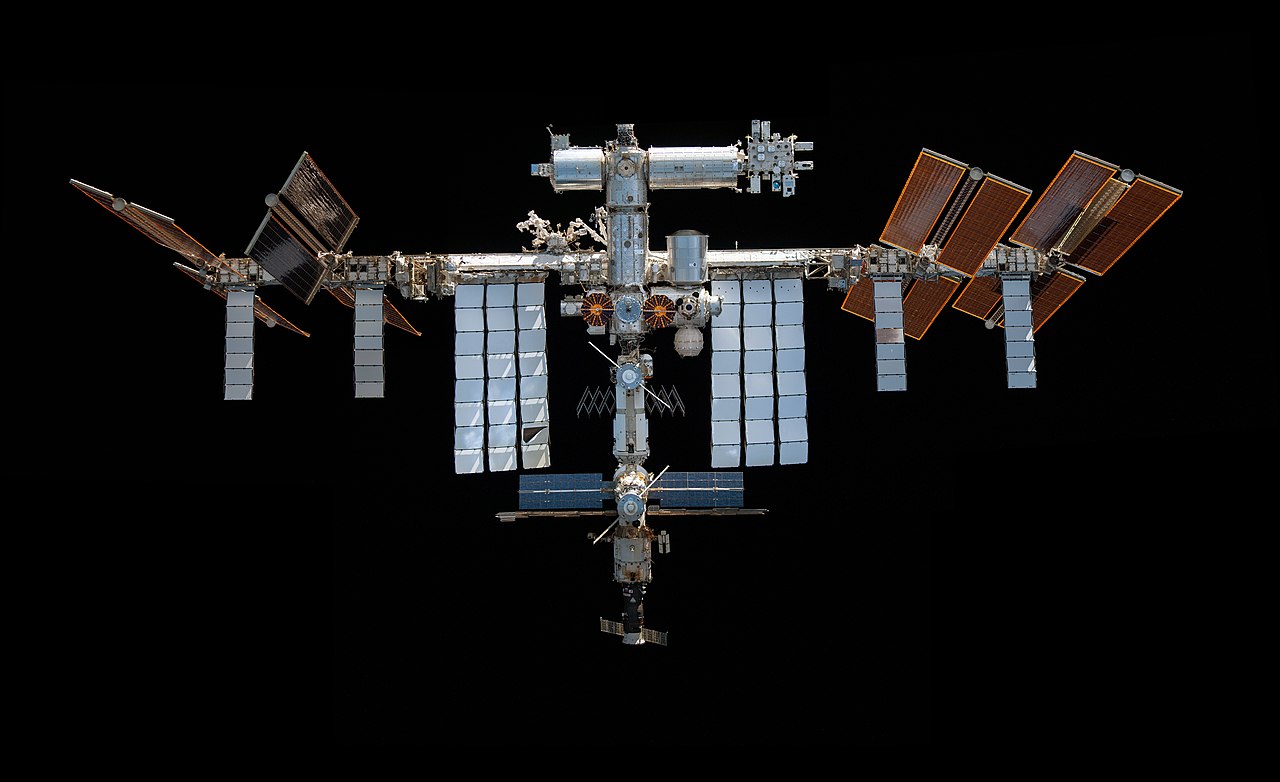
According to the World Health Organization, more than 50 million people around the world have sarcopenia. This age-related condition causes loss of muscle mass, strength, and function and increases the risk of falls and bone fractures. Currently, the only treatment for sarcopenia is exercise. Through ISS International Space Station National Lab-sponsored research, University of Florida researchers successfully modeled age-related muscle loss using tissue chips in microgravity
The condition of perceived weightlessness created when an object is in free fall, for example when an object is in orbital motion. Microgravity alters many observable phenomena within the physical and life sciences, allowing scientists to study things in ways not possible on Earth. The International Space Station provides access to a persistent microgravity environment.. The model can be used to test new treatments and study sarcopenia in ways not possible on Earth.
The team’s research is detailed in an article in the latest issue of Upward, official magazine of the ISS National Lab. Principal investigator Siobhan Malany, associate professor in the College of Pharmacy at the University of Florida, commented on the value of space-based research in Upward, saying, “Through insight we gather from microgravity, we can understand not just the end result of [sarcopenia], but really look at the progressive change in young and old cells to see what happens as cells age.”
Age-related muscle changes are hard to study because they happen slowly over decades. In microgravity, muscle deterioration is accelerated, allowing researchers to analyze muscle loss on a much quicker timescale. In a series of investigations funded by the National Institutes of Health, the team developed a muscle tissue chipA tissue chip, or organ-on-a-chip or microphysiological system, is a small engineered device containing human cells and growth media to model the structure and function of human tissues and/or organs. Using tissue chips in microgravity, researchers can study the mechanisms behind disease and test new treatments for patients on Earth.
Sign up for the Daily Dose Newsletter and get every morning’s best science news from around the web delivered straight to your inbox? It’s easy like Sunday morning.
COPYThe National Institutes of Health (NIH) has a multiyear partnership with the ISS National Laboratory® to fund tissue chip research on the space station. system and tested whether microgravity-induced muscle loss in space mimics age-related muscle loss on Earth. The tissue chips contained muscle bundles engineered using skeletal muscle cells from young, active adults and older, sedentary individuals. Some tissue chips also contained electrodes that delivered electrical stimulation to induce contraction in the muscle bundles.
Results showed that in microgravity, several genes associated with human muscle aging on Earth were upregulated (had increased expression) in the tissue chips containing cells from young active adults. These findings validate that the space-based muscle tissue chip system provides an accurate model of age-related muscle loss. The system provides a valuable new tool for researchers to improve their understanding of sarcopenia and test new potential therapeutics.
Initial findings were published in npj Microgravity, and the team is currently working on several additional publications. Malany recently received an award for these compelling results at the 2024 ISS Research and Development Conference. III
IMAGE CREDIT: NASA.


Leave a Reply