
GLOBAL STRATEGIES FAIL TO CONTROL AVIAN INFLUENZA THREAT
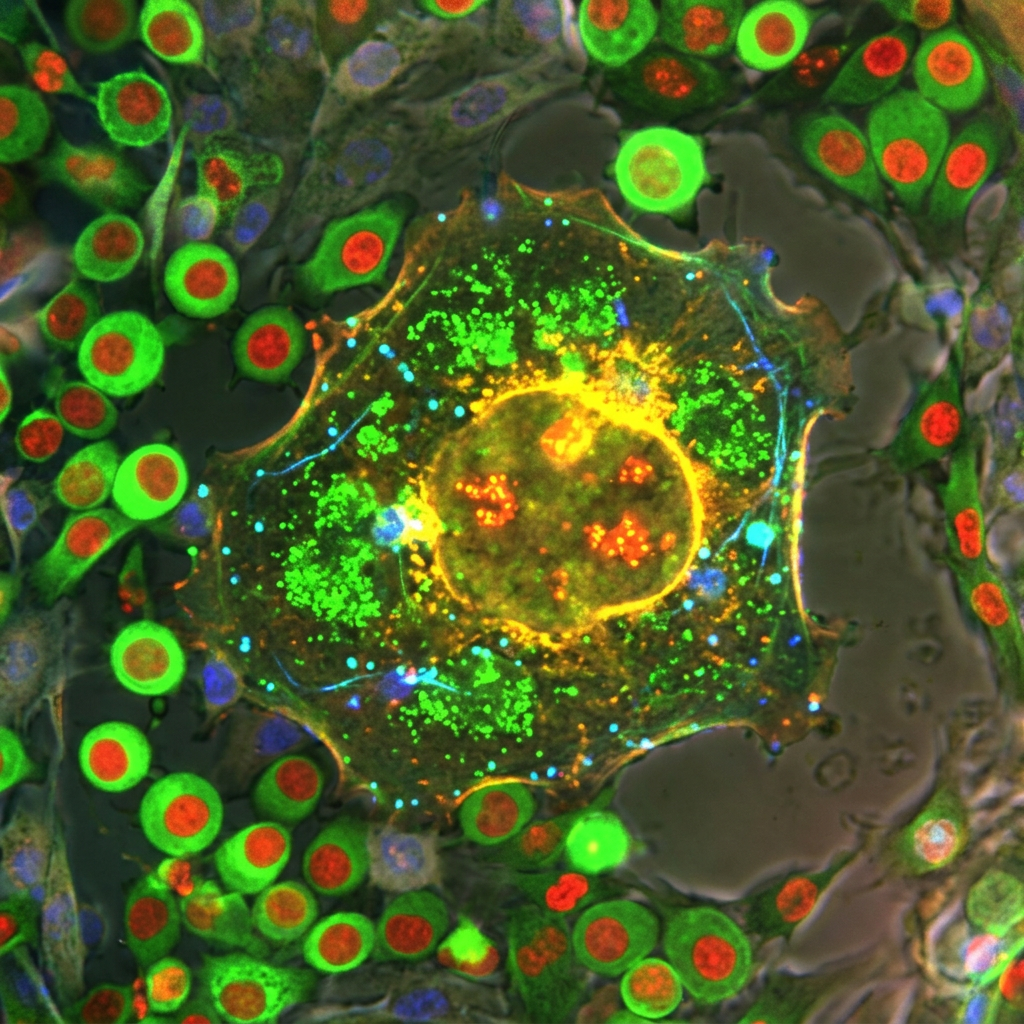
A study led by the UK’s Pirbright Institute, published in Nature, highlights the failure of global strategies to control mammal-to-mammal transmission of avian influenza (H5N1), which poses an ongoing threat to human health, particularly as the virus becomes established in Europe and the Americas. The researchers assessed outbreaks in European fur farms, marine mammals in South America, and dairy cattle in the U.S., noting that changes in the ecology and molecular evolution of H5N1 increase spillover risks to mammals. They outlined potential pathways for H5N1 to evolve into a human pandemic virus, especially amid recent cases in U.S. dairy cattle and unexplained human infections. The study criticizes current control measures, emphasizing inadequate vaccine deployment and insufficient data on virus transmission, particularly in mammals. Scientists express concern over unnoticed transmission chains among farm workers and wildlife, highlighting the importance of proactive testing to detect the virus before it spreads further into human populations. (CIDRAP)
OPENAI CTO MIRA MURATI RESIGNS AMID COMPANY RESTRUCTURING
OpenAI’s Chief Technical Officer, Mira Murati, announced her unexpected resignation on social media, after six-and-a-half years in various leadership roles since joining in 2018. In her letter to staff, she expressed gratitude to CEO Sam Altman and President Greg Brockman for their trust and support, stating it was the right time for her to leave to pursue her own explorations. Murati oversaw the technical strategy and product development of major OpenAI projects like DALL-E and ChatGPT, and often emphasized ethical considerations in AI. Her departure comes as OpenAI plans to restructure into a for-profit benefit corporation, potentially increasing its valuation to $150 billion. Altman praised Murati’s contributions and support during turbulent times. This leadership shake-up follows the exit of several key figures, including former Chief Scientist Ilya Sutskever and co-founder John Schulman, raising questions about the internal dynamics and future direction of OpenAI, particularly regarding its ambitions for artificial general intelligence. (Ars Technica)
LARGER AI CHATBOTS GENERATE MORE INCORRECT ANSWERS RESEARCHERS FIND
A recent study published in Nature reveals that larger versions of AI chatbots, including OpenAI’s GPT and Meta’s LLaMA, tend to generate more incorrect answers rather than admitting ignorance. Researchers, led by José Hernández-Orallo from the Valencian Research Institute for Artificial Intelligence, analyzed how increasing model sizes and training data impacted error rates and human perception of question difficulty. They found that while the accuracy of answers improved overall, the proportion of incorrect responses rose significantly, with more than 60% of answers being wrong or avoidant in refined models. Users struggle to accurately identify these errors, misclassifying incorrect answers as correct 10% to 40% of the time. Hernández-Orallo suggests developers should train AI to avoid difficult questions to enhance user trust, emphasizing the importance of knowing when chatbots can be relied upon. As chatbots improve at generating responses, their tendency to mislead increases, posing risks for users. (Nature)
MEDITERRANEAN SEA SALINITY CRISIS LED TO MASS EXTINCTION
Approximately six million years ago, the Mediterranean Sea underwent a significant “salinity crisis,” drying up and leaving behind a kilometer-thick salt layer that decimated its biodiversity. Geologist Konstantina Agiadi and her team conducted a comprehensive fossil analysis, examining around 23,000 specimens to trace the extinctions and recovery of marine life, as published in Science Advances. The study revealed that as the Mediterranean lost its connection to the Atlantic, biodiversity plummeted—nearly 800 species vanished, with only 86 surviving. This crisis was likened to the impact of the Chicxulub meteorite, which caused mass extinction 65 million years ago. After the Mediterranean refilled, about 2,700 new species, including great white sharks and dolphins, repopulated the sea, shifting biodiversity from the eastern to the western regions. The findings highlight the global implications of the crisis and encourage further investigation into other ancient salt giants worldwide to understand extinction and recovery processes. (Science)

RESEARCHERS STUDY CHILEAN ORCAS AND THEIR HUNTING BEHAVIOR
Researchers have made significant strides in understanding a little-known population of orcas off the coast of Chile, particularly regarding their hunting behavior. Led by Dr. Ana García Cegarra from the Universidad de Antofagasta, the team discovered that these orcas are adept at hunting dusky dolphins and sharing their catch among pod members. This behavior suggests they may belong to the Type A ecotype, which is essential for conservation efforts and understanding orca populations in the southern hemisphere. Utilizing both citizen science and their own observations, the researchers tracked orca sightings, group compositions, and hunting choices along the Humboldt Current, a rich marine ecosystem. Notably, the Menacho pod was recorded successfully hunting dusky dolphins—an unprecedented behavior for orcas in this region. The study also noted food-sharing practices, which may indicate social structures similar to those of other Type A orcas. Despite these findings, researchers stress the need for more systematic studies to ensure the protection of this elusive population. (Frontiers In)
NEW YORK FACES ALARMING SURGE IN EEE VIRUS MOSQUITOES
New York is experiencing an alarming surge in mosquitoes carrying the eastern equine encephalitis (EEE) virus, resulting in one confirmed death and a statewide declaration of “imminent threat” by health officials. This year, EEE-positive mosquitoes have been detected in 15 counties, a significant increase compared to the typical two or three counties annually, according to State Health Commissioner James McDonald. The EEE virus has a high mortality rate of 30 to 50 percent, prompting officials to urge New Yorkers to take preventive measures, such as using insect repellent and eliminating standing water. The recent EEE case, reported in Ulster County on September 20, marked the first occurrence in New York since 2015. While EEE is rare in the U.S., with an average of only 11 cases per year, the potential severity of the disease is notable, especially among children under 15 and adults over 50. There is no vaccine or specific treatment for EEE, heightening concerns about its public health impact as mosquito activity continues into the fall. (Ars Technica)
ARCHAEOLOGISTS DISCOVER ANCIENT CHEESE IN BRONZE AGE COFFINS
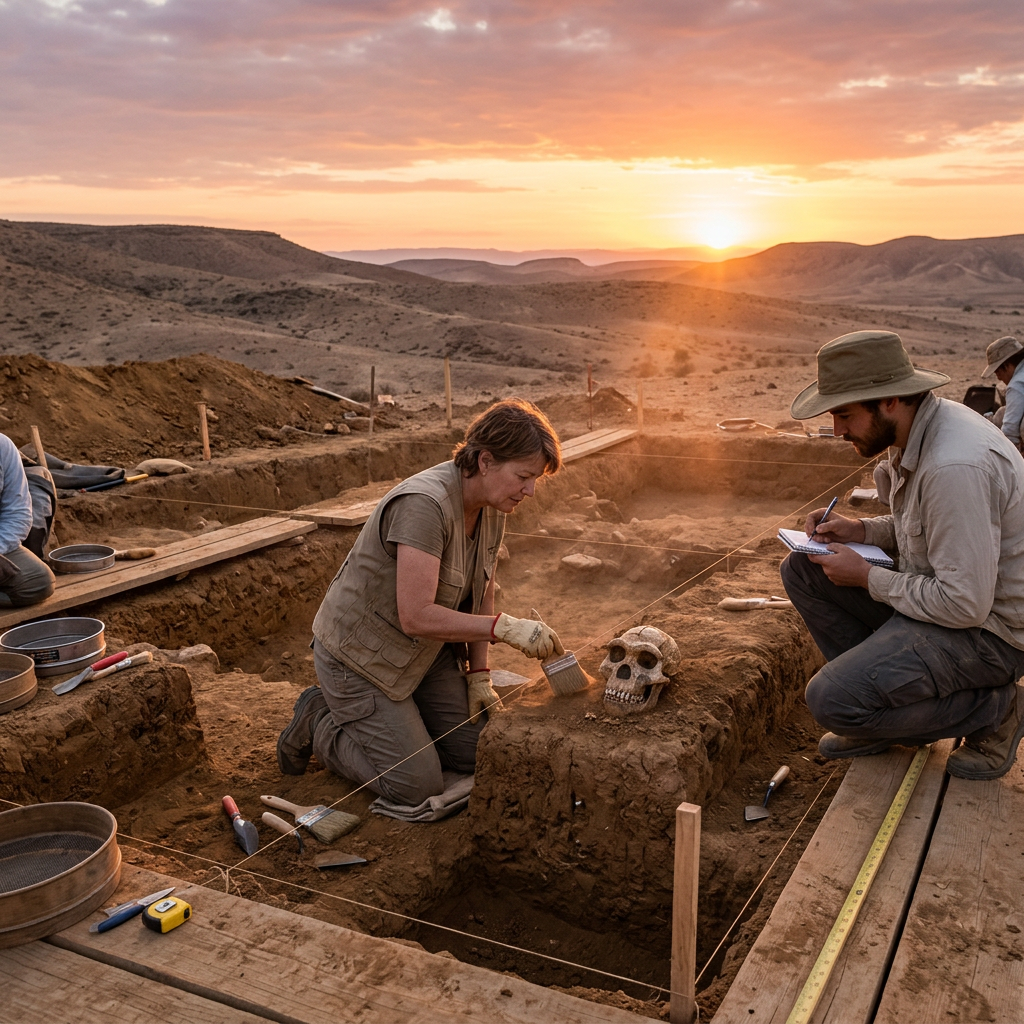
Archaeologists excavating the Tarim Basin in China’s Xinjiang region unearthed hundreds of boat-shaped coffins from the Bronze Age, around 3,500 years ago, revealing mummies dressed in wool garments and topped with felt hats. Surprisingly, these mummies were found to be covered in cheese. In a study published in Cell, geneticist Qiaomei Fu from the Chinese Academy of Sciences sequenced bacterial DNA from the cheese-like substance, identifying strains of Lactobacillus kefiranofaciens and L. helveticus, both associated with modern kefir—a fermented dairy drink. This discovery marks the oldest cheese DNA known to date, suggesting the lumps were kefir starter grains, intended as a valuable gift for the afterlife. The Xiaohe people had a diverse diet, consuming dairy and wheat from western Asia, millet from eastern China, and medicinal plants from distant regions. Fu’s findings indicate that the kefir cheese was made from both cow and goat milk, fermented separately, providing insights into the sophisticated dietary practices of this ancient culture. (Science)
Thanks for reading. Let’s be careful out there.
WORDS: The Biology Guy.

Leave a Reply