A new study has revealed for the first time how different synthesis methods can profoundly impact the structural and functional properties of high entropy oxides, a class of materials with applications in everyday electronic devices. The study was published this week in the Journal of the American Chemical Society.
“The specific material that we’ve studied here is a high entropy oxide with a spinel crystal structure, which is a mixture of five different transition metal oxides. A lot of the excitement that we see around this class of materials is in terms of their electrochemical properties,” said Dr. Alannah Hallas, a materials scientist with the University of British Columbia’s Blusson Quantum Matter Institute and Department of Physics and Astronomy.
“The reason these high entropy systems are so promising from that point of view is because they have enormous chemical flexibility. While synthesizing these materials, we have many different knobs that we can turn, so there is kind of a limitless possibility in the ways we can construct them.”
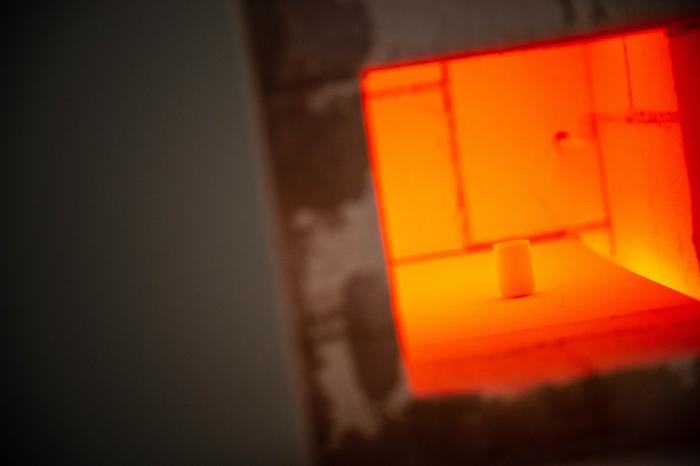
The researchers prepared the identical samples using five different synthesis methods: solid state, high pressure, hydrothermal, molten salt, and combustion syntheses. The methods involve different ways of heating the material, different speeds at which the material is cooled back down to room temperature, and different chemical conditions under which the heating can occur.
“Our results confirm that the synthesis method matters a great deal. We found that while the average structure is unaltered, the samples vary significantly in their local structures and their microstructures with the combustion synthesis resulting in the most homogeneous samples.”
Sign up for the Daily Dose Newsletter and get every morning’s best science news from around the web delivered straight to your inbox? It’s easy like Sunday morning.
The key difference between the synthesis methods is the driving mechanism that forms the material, said the lead author of the study Mario Ulises González-Rivas, who has mastered the art of preparing the samples using the different synthesis methods during his time as a PhD researcher in Hallas’s group.
In the solid-state method, metal oxides are mixed and then heated, similar to baking a cake. The high-pressure method adds external pressure during heating, which can influence how the material forms. The hydrothermal method mimics mineral formation in Earth’s core by heating metal salts in water inside a pressurized vessel, creating a flow that helps crystals grow. The molten salt method uses melted metal salts, which form a thick liquid that, as it cools, allows crystals to precipitate. Lastly, the combustion method involves dissolving metal salts in water, forming a gel that ignites, rapidly producing the desired material through a quick combustion reaction.
“Some of these materials have great potential for use in addressing energy challenges. The technological implementation of these materials for energy systems is deeply affected by the kind of structural variations that we observe in this study,” González-Rivas said. “Our results effectively provide a new optimization axis to be considered when implementing these materials in an applied setting.”
IMAGE CREDIT: University of British Columbia




Leave a Reply