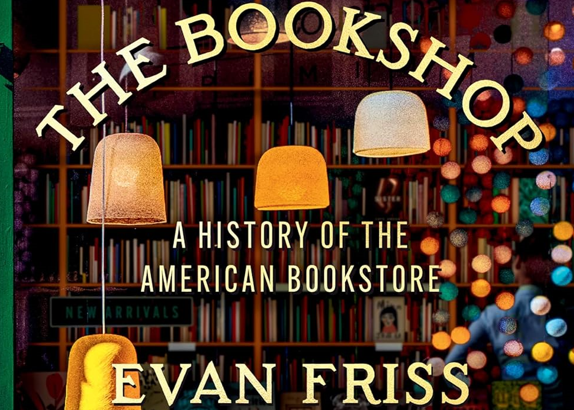
Evan Friss’s The Bookshop: A History of the American Bookstore offers an enchanting and comprehensive exploration of the pivotal role independent bookstores have played in shaping America’s social and cultural landscape. Friss, a historian and associate professor at James Madison University, masterfully intertwines personal anecdotes, historical research, and vibrant storytelling to celebrate the enduring magic of physical bookshops.
Friss begins his journey with a nostalgic visit to Three Lives Bookstore in New York City, setting the tone for a narrative that mirrors the delightful experience of “bookstore tourism.” This personal touch underscores the unique allure and communal spirit that bookstores embody, distinguishing them from mere retail spaces. He introduces readers to the concept of “book barrens”—areas lacking access to physical bookstores—highlighting the decline of these cultural hubs in many regions across the United States. While public libraries remain accessible, especially through digital means, the absence of bookstores pushes readers towards online giants like Amazon, which Friss critiques for their inability to replicate the serendipitous and personal interactions that physical stores offer.
Tracing the evolution of American bookselling, Friss takes us back to Benjamin Franklin’s multifaceted print shop in Philadelphia in 1728, emphasizing Franklin’s role not just as a bookseller but as a unifier of the colonies through knowledge. From there, he navigates through significant milestones, including the establishment of Boston’s Old Corner Bookstore in 1828 and the rise of specialized and itinerant bookstores. Friss highlights the geographical disparity in bookstore distribution, noting that on the eve of the Civil War, the North boasted a significantly higher number of bookstores than the South.

Friss shines a light on influential figures and iconic establishments that have left an indelible mark on American literary culture. He delves into the legacy of Chicago’s Marshall Field & Company, under the leadership of Marcella Burns Hahner, who pioneered in-store book signings, book rentals, and the first book festival. Similarly, Gotham Book Mart, managed by the formidable Frances Steloff, became a beacon for writers and intellectuals, hosting illegal imports and fostering a vibrant literary community. These narratives illustrate how passionate individuals transformed bookstores into “places of magic,” where meaningful connections and intellectual exchanges flourish.
A significant theme in The Bookshop is the role of bookstores as cultural and social hubs. Friss illustrates this with examples like the Oscar Wilde Memorial Bookshop and Drum & Spear, which served as vital centers for LGBTQ+ and Black communities, respectively. These bookstores were not just places to buy books but were sanctuaries and organizing spaces that supported social movements such as abolition, Pride, and Black Lives Matter. By providing safe havens for marginalized groups, bookstores became instrumental in fostering community and driving political change.
Friss also explores the rich literary tradition surrounding bookstores, referencing memoirs and stories by booksellers like Paul Yamazaki of City Lights and Helene Hanff’s 84, Charing Cross Road. He acknowledges the romanticized portrayal of bookstores in films and literature, noting their depiction as transformative spaces in romantic comedies and other narratives. These cultural representations reinforce the unique and irreplaceable role that bookstores play in personal and communal life.

Despite the challenges posed by technological advancements and the rise of online retailers, Friss remains optimistic about the future of independent bookstores. He highlights innovative models such as mobile and outdoor bookstores that adapt to changing times while continuing to satisfy the fundamental human desire for knowledge and connection. The resurgence in bookstore memberships and the success of establishments like Ann Patchett’s Parnassus Books in Nashville exemplify the resilience and adaptability of independent bookstores.
Friss’s The Bookshop is meticulously researched, drawing from oral histories, archival collections, FBI files, and personal interviews, including insights from his wife who worked at Three Lives & Company. This depth of research enriches the narrative, providing a nuanced understanding of the multifaceted roles bookstores have played throughout American history. From being centers of intellectual exchange to acting as community anchors, bookstores have consistently demonstrated their ability to adapt and thrive amidst changing cultural and economic landscapes.
Evan Friss’s The Bookshop: A History of the American Bookstore serves as a heartfelt tribute to the indispensable role of independent bookstores. It celebrates their unique cultural, social, and historical significance while critiquing the limitations of online retail in preserving the communal and magical aspects of book-buying. Friss’s work inspires bibliophiles and advocates alike to cherish and support these irreplaceable cultural landmarks, ensuring that bookstores continue to be vibrant centers of knowledge, community, and connection in an increasingly digital world.
WORDS: SCINQ Staff
Sign up for the Daily Dose Newsletter and get the morning’s best science news from around the web delivered straight to your inbox? It’s easy like Sunday morning.




Leave a Reply