
FEDERAL INSPECTORS FIND SANITATION ISSUES AT DELI PLANT
Federal inspectors discovered serious sanitation issues at a Boar’s Head deli meat plant in Jarratt, Virginia, which has been linked to nine deaths from listeria. Over a year, inspectors noted problems like black mold, water dripping over meat, and dead flies but did not prompt a recall. The outbreak, which affected 57 people, was traced to contaminated liverwurst from the plant. Despite USDA zero-tolerance rules for listeria, the plant’s issues persisted, with many problems documented but not leading to immediate recalls. The plant was shut down until it could ensure safety. Boar’s Head expanded its recall to cover all meat processed at the plant after listeria was found. The CDC and other experts have highlighted concerns about the effectiveness of current listeria control methods and emphasized the need for better prevention strategies. (New York Times)
CALIFORNIA INVESTIGATES POTENTIAL H5N1 IN DAIRY CATTLE
The California Department of Food and Agriculture is investigating potential cases of H5N1 bird flu in dairy cattle at three Central Valley farms, which, if confirmed, would mark the first occurrences in the state. Testing is underway, but the U.S. Department of Agriculture has not yet verified the outbreaks. If confirmed, California would join 13 other states with reported H5N1 infections in dairy cows. California’s dairy industry, the largest in the U.S., has been taking preventive measures to avoid cross-contamination. Despite these efforts, H5N1’s spread seems imminent due to limited national surveillance and testing. Colorado is the only state with a mandatory bulk milk tank testing program, which has helped identify outbreaks earlier. The USDA’s $824 million initiative includes pilot programs for proactive testing, but participation remains low. Experts criticize the lack of a coordinated national approach to surveillance, highlighting the need for more comprehensive testing to better manage and prevent outbreaks. (STAT)
If you’re enjoying the Daily Dose, sign up for the Daily Dose Newsletter and get the morning’s best science news from around the web delivered straight to your inbox? It’s easy like Sunday morning.
WHO DECLARES MPX EMERGENCY DUE TO NEW VIRUS STRAIN
The WHO recently declared a public health emergency over mpox due to the spread of a new, concerning virus strain, clade 1b, in Africa. This strain, also found in travelers from Sweden and Thailand, is spreading more easily between people, including through sexual contact, unlike the previously known clade Ia. The Democratic Republic of the Congo (DRC) faces a severe outbreak with nearly 18,000 cases and over 600 deaths this year. Vaccines developed for smallpox, like Jynneos and LC16m8, may help, but their effectiveness against clade 1b is not well established. Despite pledges for vaccine donations from various countries, delays in approval and distribution mean they have not yet arrived in affected regions. The situation underscores the need for immediate, coordinated global response and adequate resources to control the outbreak and prevent further spread. (Nature)
RUSSIAN HACKERS USE TOOLS FROM COMMERCIAL SPYWARE VENDORS
Recent findings by Google’s Threat Analysis Group (TAG) reveal that Russia’s APT29 Cozy Bear group has been using hacking tools similar to those from commercial spyware vendors Intellexa and NSO Group. From November 2023 to July 2024, Cozy Bear targeted Mongolian government websites with “watering hole” attacks, exploiting vulnerabilities in iOS and Android devices. These vulnerabilities, originally zero-day exploits from Intellexa and NSO Group, were now being used in devices that had not been updated. This indicates that the hackers either acquired these tools through purchase, theft, or reverse engineering. TAG highlights that these activities show how commercial spyware tools can proliferate to dangerous actors, stressing that even patched vulnerabilities remain a threat if devices are not updated. NSO Group denies selling to Russia, asserting their technology is only available to vetted US and allied agencies. (Wired)

FDA FORMS AI COUNCIL TO CENTRALIZE AI EFFORTS
The FDA’s Center for Drug Evaluation and Research (CDER) is forming a new AI Council to centralize its artificial intelligence efforts. This move consolidates previous AI-related steering committees and working groups into a single body to oversee AI’s use in pharmaceutical R&D and internal processes. The council, prompted by a recent executive order on AI safety, will monitor AI applications, including generative AI and large language models, within CDER. The council, led by Tala Fakhouri, Qi Liu, and Sri Mantha, aims to enhance AI education, track AI projects, and ensure consistent communication about AI’s role in drug development. It will also assess CDER staff’s AI knowledge and establish guidelines for future AI deployments. This initiative aligns with broader federal efforts to secure and regulate AI technology in healthcare. (Fierce Biotech)
STUDIES REVEAL BACTERIAL GENE CREATION DEFENSE MECHANISM
Recent studies published in Science reveal a novel bacterial defense mechanism against viruses that challenges traditional views of genetic information flow. Bacteria can create a new gene, termed *neo*, using reverse transcriptases—enzymes that convert RNA into DNA. This newly formed DNA encodes a protein that helps bacteria fend off viral attacks. Researchers discovered that *neo* is assembled when reverse transcriptases, typically known for their role in HIV and tumor viruses, repeatedly copy RNA into DNA. This DNA contains multiple copies of a sequence, which combines to form a functional gene promoter, enabling the bacteria to produce an antiviral protein in response to viral invasion. This mechanism, discovered in different studies led by Feng Zhang and Stephen Tang, demonstrates a unique way bacteria can adapt to threats and may have broader implications for genetic engineering. (Science)
DREAMS IN DOGS SIMILAR TO HUMAN EXPERIENCE REVEALED
Dreams are a fascinating phenomenon not exclusive to humans; animals like dogs also experience them. Research indicates that dogs, much like humans, dream about their daily experiences and interactions. Studies at MIT revealed that animals, including rats, replay activities from their waking lives during sleep, suggesting similar processes occur in dogs. Dogs enter REM (Rapid Eye Movement) sleep, the stage most associated with dreaming, after active days. During this time, they might twitch, whine, or kick, signaling dream activity. However, dogs can also have nightmares, which might cause them to growl or move restlessly. It’s advised not to disturb a dog having a nightmare to avoid potential bites; instead, ensure their sleeping environment is comfortable and quiet. Future research may shed light on how factors like breed and age influence dreaming patterns in dogs, potentially linking specific behaviors to their dreams. (USA Today)
Thanks for reading. Let’s be careful out there.
WORDS: The Biology Guy.
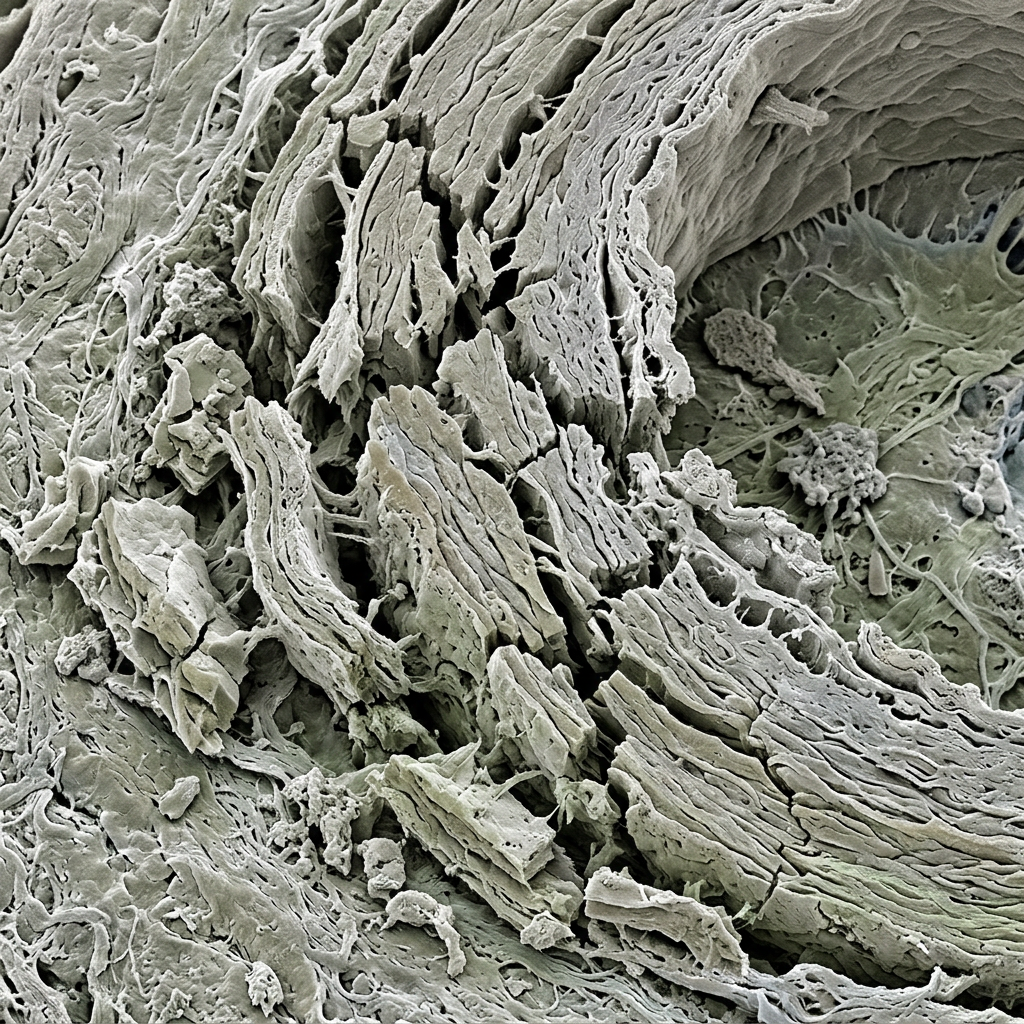
IMAGE CREDIT: Torsten Dettlaff.



Leave a Reply