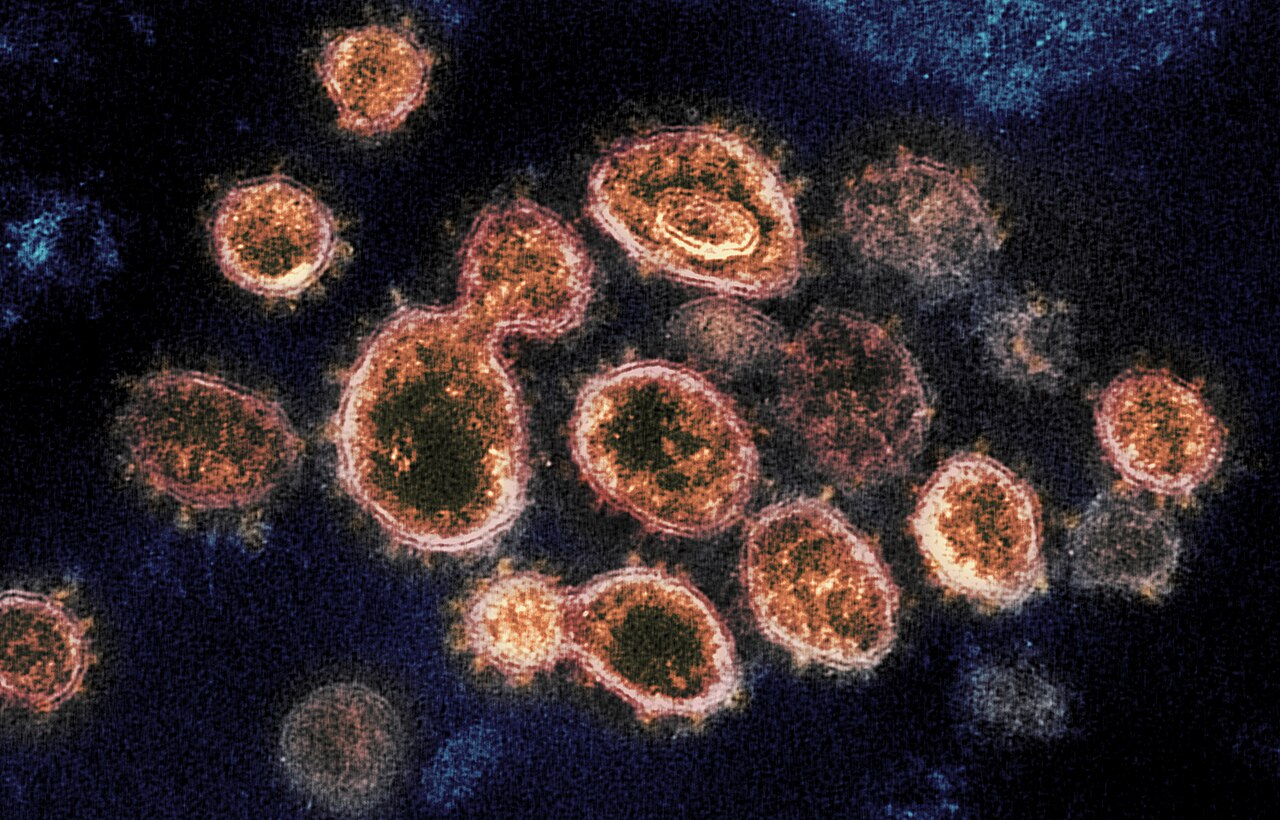
Scientists have discovered a mutation in SARS-CoV-2, the virus that causes COVID-19, that plays a key role in its ability to infect the central nervous system. The findings may help scientists understand its neurological symptoms and the mystery of “long COVID,” and they could one day even lead to specific treatments to protect and clear the virus from the brain.
The new collaborative study between scientists at Northwestern University and the University of Illinois-Chicago uncovered a series of mutations in the SARS-CoV-2 spike protein (the outer part of the virus that helps it penetrate cells) that enhanced the virus’ ability to infect the brains of mice.
“Looking at the genomes of viruses found in the brain compared to the lung, we found that viruses with a specific deletion in spike were much better at infecting the brains of these animals,” said co-corresponding author Judd Hultquist, assistant professor of medicine (infectious diseases) and microbiology-immunology at Northwestern University Feinberg School of Medicine. “This was completely unexpected, but very exciting.”
The study will be published Aug. 23 in Nature Microbiology.

In this study, researchers infected mice with SARS-CoV-2 and sequenced the genomes of viruses that replicated in the brain versus the lung. In the lung, the spike protein looked very similar to the virus used to infect the mice. In the brain, however, most viruses had a deletion or mutation in a critical region of spike that dictates how it enters a cell. When viruses with this deletion were used to directly infect the brains of mice, it was largely repaired when it traveled to the lungs.
“In order for the virus to traffic from the lung to the brain, it required changes in the spike protein that are already known to dictate how the virus gets into different types of cells,” Hultquist said. “We think this region of spike is a critical regulator of whether or not the virus gets into the brain, and it could have large implications for the treatment and management of neurological symptoms reported by COVID-19 patients.”
SARS-CoV-2 has long been associated with various neurological symptoms, such as the loss of smell and taste, “brain fog” and “long COVID.”
“It’s still not known if long COVID is caused by direct infection of cells in the brain or due to some adverse immune response that persists beyond the infection,” Hultquist said. “If it is caused by infection of cells in the central nervous system, our study suggests there may be specific treatments that could work better than others in clearing the virus from this compartment.”
IMAGE CREDIT: National Institute of Allergy and Infectious Diseases (NIAID)




Leave a Reply