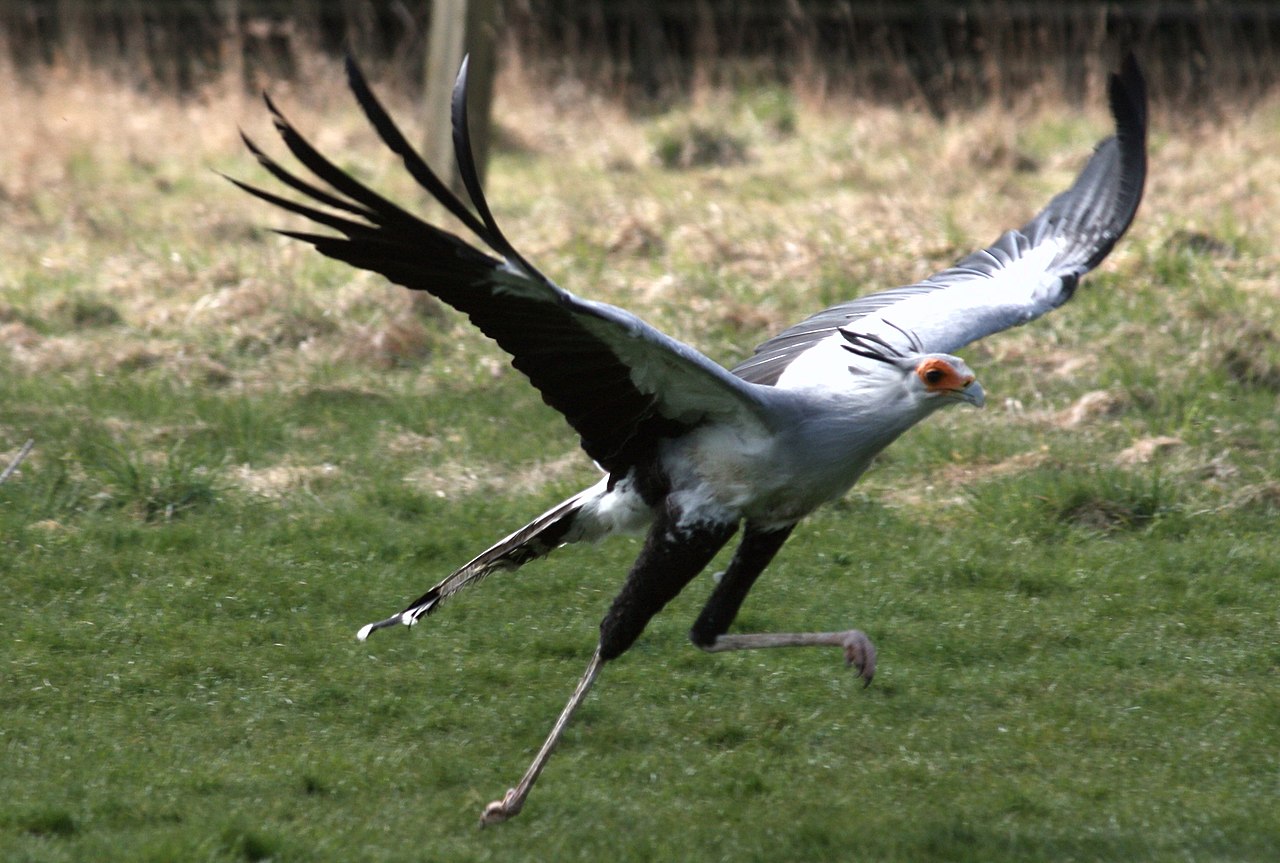
Raptors: A Fistful of Daggers, a two-part series premiering on PBS, delves into the world of birds of prey, showcasing their global dominance from the African savannah to the high Arctic. The series, which premiered on April 10 and 17, explores the diverse species of raptors, including eagles, hawks, owls, and lesser-known hunters like secretary birds and caracaras. Viewers will learn about the challenges raptors face, such as habitat loss and climate change, and their remarkable adaptations that enable survival in the harshest environments. The episodes highlight raptors’ extraordinary hunting abilities, migrations, and survival strategies in changing worlds.
What inspired you to focus on raptors for this documentary, and how did you decide on the title Raptors: A Fistful of Daggers?
My career began filming snowy owls on the Arctic tundra so raptors, or birds of prey, are a subject close to my heart. For many of us, a raptor is something far off in the distance, perched alone in a tree or soaring high in the sky above. They’re such efficient predators that we’ve simply named them after what they do best. But birds of prey are far more diverse, charismatic and fascinating than we realise, and that is something I’ve always wanted to explore. We chose the title for dramatic effect, deliberately highlighting raptor’s most obvious characteristic, the razor-sharp talons with which they subdue other animals. The hope is that this attention grabbing title draws viewers to the series, allowing us to then uncover the many extraordinary talents and behaviours that have seen raptors rise to the top of the food chain and dominate almost every habitat.
Could you describe some of the challenges the crew faced while filming in diverse and extreme environments, from the high Arctic to the jungles of Borneo?
Each shoot comes with its own unique challenge; freezing temperatures, torrential rain and alligator-filled swamps to name a few. Filming in these extreme environments takes a lot of planning and preparation, and we always work with local guides whose knowledge of the habitat is invaluable. Even still, you can always expect the unexpected. Perhaps the toughest of which was our trip to film oriental honey buzzards attacking giant hornet nests in Taiwan. In one shoot we faced a cyclone, flooding and an earthquake all within a week.


The series highlights not only well-known raptors like eagles and falcons but also lesser-known species such as seriemas and caracaras. What was the selection process for choosing which species to feature in the documentary?
Several factors guide the selection process. To reveal raptors in all their glory we needed a diversity of species, habitats and behaviours from around the world. We also hoped to balance familiar favourites with lesser-known characters. Finally, there’s the need for both a compelling narrative and mixture of high drama and moments of levity. We couldn’t just show hunting scene after hunting scene, for example. My own personal selection process for any film is to have a bucket list of all these different species and behaviours, then to write the film, choosing which species or behaviour best illustrates the broader point I hope to make with each scene. If you can get that narrative right, the film should flow along nicely, while incorporating a broad range of different species.
Meet the Raptors delves into the ‘superpowers’ that these birds possess. Could you expand on how these unique abilities are showcased in the documentary?
Raptors may be armed with deadly talons, but it’s their unique powers that really lie behind their success. Their abilities to see, hear, smell and manoeuvre are beyond our wildest dreams. We use a mixture of slow motion, aerial and long lens photography alongside drones that give a thrilling first person view to highlight these superpowers. From great grey owls hearing through snow, to golden eagles hunting ibex and turkey vultures sniffing out carcasses, hopefully we go some way to revealing just how incredible their super senses really are.

In Extreme Lives, the series explores how raptors adapt to some of the planet’s most challenging habitats. What was one of the most surprising adaptations you came across during production?
I’m blown away by the many extreme adaptations that raptors possess. Though if I have to choose one, it’s the intelligence that helps striated caracara thrive in the remote Falkland Islands. For half the year, when penguins and seabirds are breeding, there’s plenty of food. But once the breeding season ends, the islands offer slim pickings. Less than a quarter of young caracara are thought to make it through winter, relying on social networks, resourcefulness and an inquisitive nature to survive. We filmed a gang of youngsters working together to overthrow a pair of adults at a carcass, as well as one picking snot from a three-ton elephant seal’s nose. Fortune favours the brave and these birds are far smarter and more interesting than the comical clowns they’re often portrayed as.
The documentary addresses serious threats like habitat loss, climate change, and pollution. What message do you hope to convey to viewers about the future of these birds and their ecosystems?
One third of all raptors are under threat. The chief culprits are ones we’re all too familiar with: persecution, habitat loss and climate change. But the message we really want to convey is one of hope. The surprising comeback of Florida’s snail kites, whose beaks and bodies have grown as much as twelve percent bigger in response to the arrival of an invasive snail species, tells us that the extraordinary can happen. Raptors are immensely successful predators. For the most part they need a sufficient prey base, space to nest and our respect to succeed. Their populations are capable of spectacular recoveries, which shows that, if the will is there, their conservation is entirely possible.
After completing such an in-depth exploration of raptors, has your perception of these birds changed? If so, how?
While I thought I already knew a fair amount about raptors, this project has completely changed my perception of them. Above all, having spent so long filming and editing different images of them, I’m struck by just how characterful and unique each one is. In making the show, I’ve been very privileged to spend time getting close to and experiencing how smart, adaptable or nurturing they can be. It goes back to your first question about the title. I set out to make a film about these lethal predators, armed with a set of deadly talons. But what I discovered was a diverse group of birds with an immense range of talents and an extraordinary ability to take on the toughest challenges. They are incredible survivors and I hope this surprising journey of discovery is one shared by anyone who watches the series.
IMAGE CREDIT: Matt Hamilton / © Terra Mater Studios GmbH (Gallery); Mark Kent (Cover).
Sign up for the Daily Dose Newsletter and get the morning’s best science news from around the web delivered straight to your inbox? It’s easy like Sunday morning.




Leave a Reply