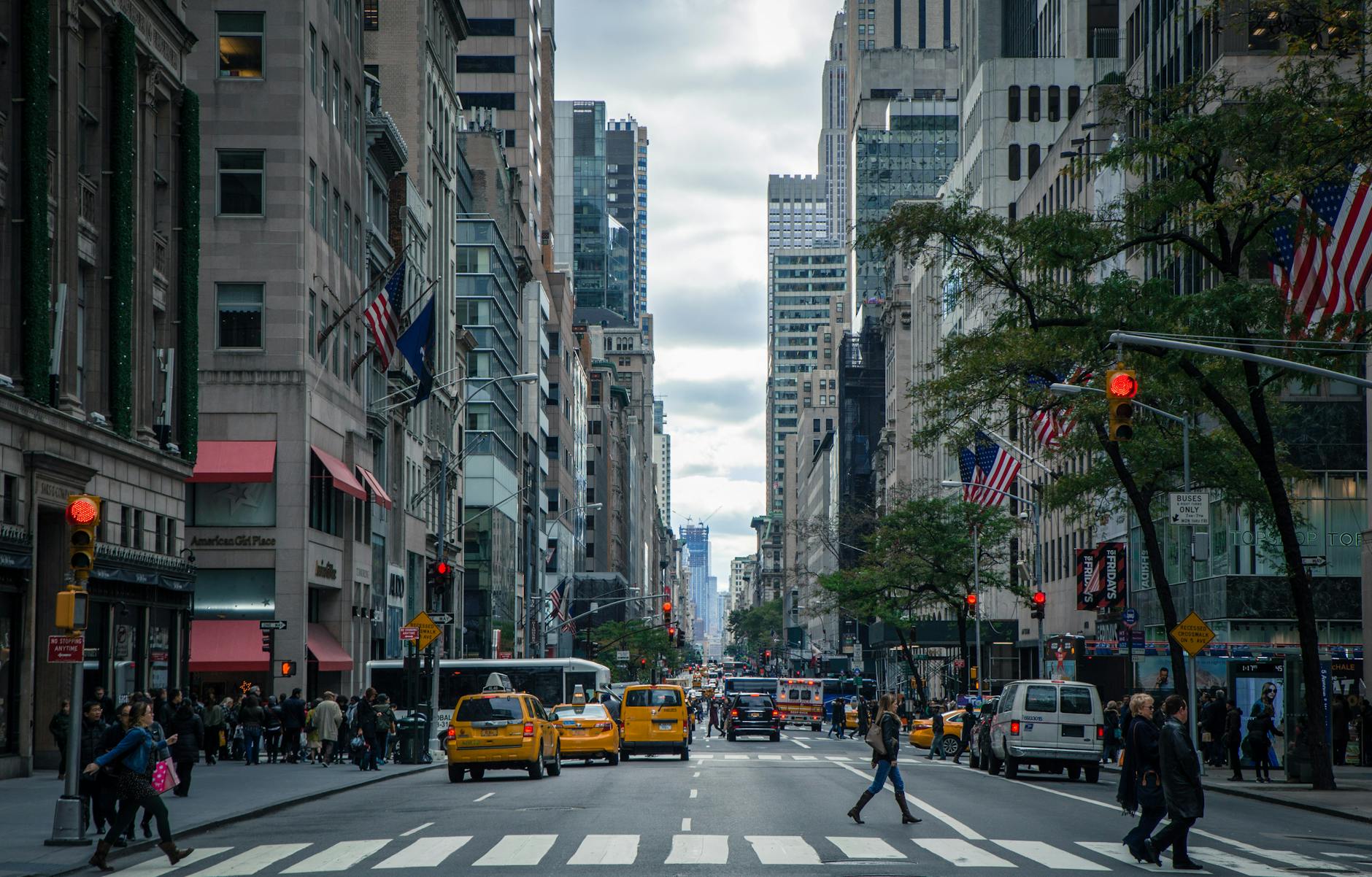
EARTHQUAKE SHAKES NORTHEAST, NO DAMAGE OR INJURIES REPORTED
A significant earthquake struck the Northeast on Friday morning, with tremors felt from Washington, DC, to New York City, and extending to New England, according to the US Geological Survey. Despite the widespread sensation of shaking, which prompted evaluations of structural stability by the New York City Fire Department, there were no reported damages or injuries. The quake, occurring around 10:30 a.m., led to reports of buildings swaying and residents evacuating onto streets. Social media updates reassured the public about major landmarks, like the Empire State Building declaring “I AM FINE.” The earthquake, initially recorded at a magnitude of 4.8, was centered northeast of Lebanon, New Jersey. Its shallow depth of 5 km contributed to the broad sensation of the quake. The event caused temporary holds on flights at several airports, including New York Kennedy and Newark, with Newark’s air traffic control tower being evacuated as a precaution and runways inspected for potential damage. (CNN)
BIRD FLU OUTBREAK IN US DAIRY CATTLE RAISES ALARM.
The U.S. is grappling with a bird flu virus outbreak in dairy cattle, not spread through direct contact but likely via milking equipment and workers, the USDA reports. This H5N1 subtype, previously devastating to birds, shows evidence of transmission through milk, raising concerns over dairy practices. Despite the virus’s deadly impact on poultry, leading to the culling of 85 million birds, similar drastic actions haven’t been advised for cattle. Genetic analysis suggests a single source for the outbreaks, challenging the theory of migratory birds as the primary vector and pointing to cattle movement. The USDA emphasizes milk safety through pasteurization, advising against raw milk consumption. The situation highlights complex virus transmission dynamics and underscores the importance of biosecurity. (Science)
NEW ASTHMA RESEARCH FOCUSES ON PREVENTING AIRWAY DAMAGE.
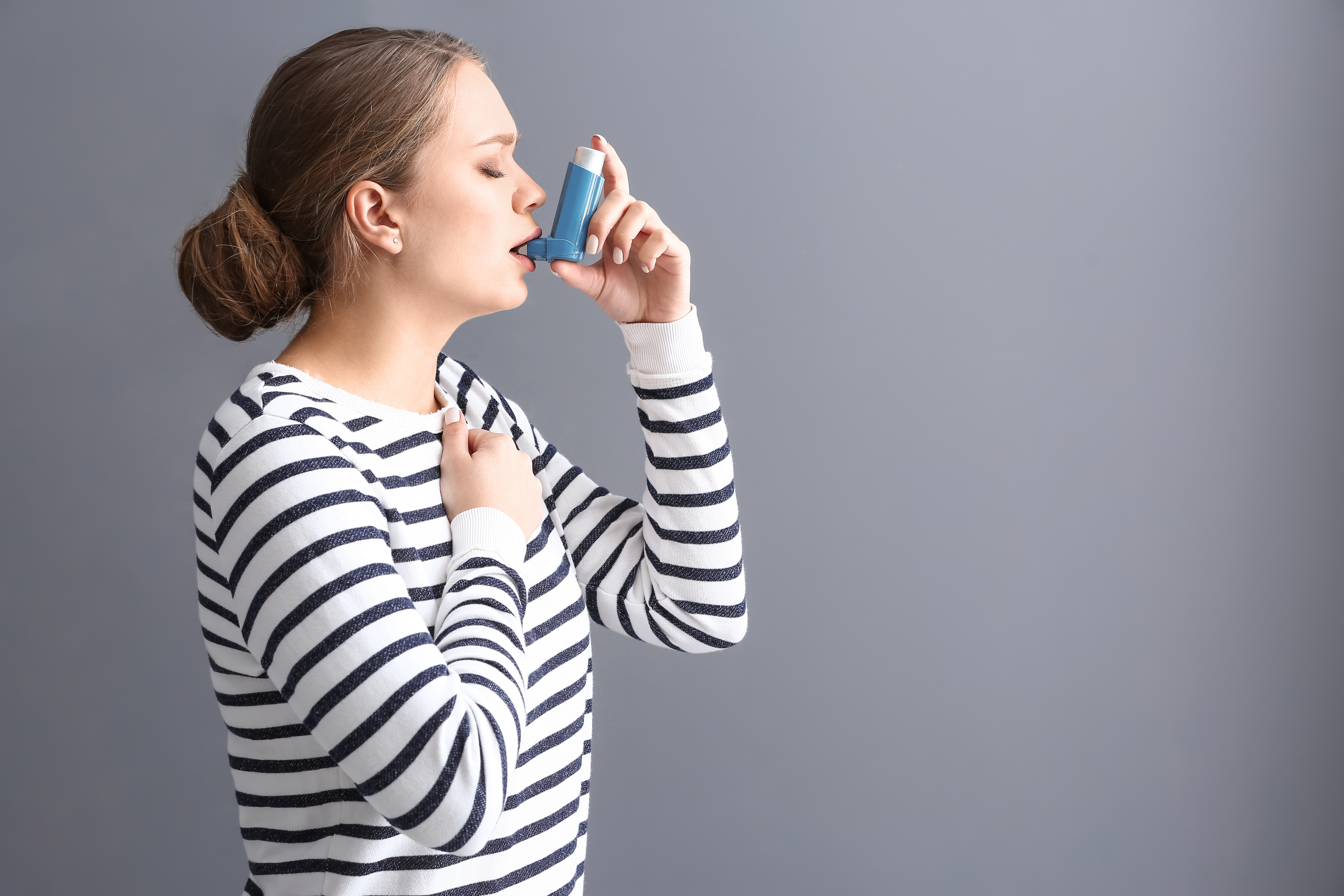
UK researchers have identified a new factor contributing to asthma’s harm: the destruction of airway-lining cells during attacks. Kings College London scientists report that preventing this damage, rather than just managing symptoms, could be key to breaking the cycle of asthma-related harm. Asthma triggers like pollen cause airway inflammation, leading to coughing, wheezing, and breathlessness. While existing medications reduce inflammation, repeated attacks can permanently narrow the airways due to bronchoconstriction— the tightening of muscles around the airways. This process, studied using mice and human lung samples, causes long-term inflammation and infections by damaging the airway lining. The research suggests that blocking this damage could potentially prevent attacks altogether. A potential treatment explored is gadolinium, which has shown promise in mice, but more research is needed to assess its safety and efficacy in humans. This discovery is crucial as it offers new avenues for treatment, especially for those whose asthma doesn’t respond well to current medications. Over five million people in the UK have asthma, relying on preventer and reliever inhalers to manage their condition. (BBC)
If you’re enjoying the Daily Dose, sign up for the Daily Dose Newsletter and get the morning’s best science news from around the web delivered straight to your inbox? It’s easy like Sunday morning.
MILLIONS OF VELELLA VELELLA WASH UP ON US WEST COAST
This spring, the US west coast from Oregon to California has seen an unusual phenomenon: millions of Velella velella, known as by-the-wind sailors, washing up on beaches. These tiny, blue, jellyfish-like organisms are not singular beings but colonies that sail the ocean’s surface using a fin-like structure. They feed on fish larvae and zooplankton with their tentacles, which are harmless to humans. The “blue tide” of velella is a regular spring event, varying in intensity. Their vibrant blue color may serve as camouflage or protection from UV rays. Velella have complex life cycles, traveling vast distances across the Pacific, and their populations boom with food availability. Despite their frequent beachings, velella remain understudied due to the challenges of replicating their ocean surface habitat in captivity. Current research explores how ocean temperatures affect their mass strandings, with warmer winters potentially increasing their survival and growth. This hypothesis is part of ongoing efforts to understand these enigmatic sea dwellers better. (The Guardian)
CLIMATE SOLUTIONS USING NATURE NEED MORE SCIENTIFIC CLARITY
Nature-based climate solutions (NbCS) aim to use ecosystems to reduce greenhouse gases but have outpaced scientific understanding of their effectiveness. NbCS strategies include protecting carbon-rich forests and wetlands, improving land management, and restoring natural ecosystems to absorb CO2 and reduce emissions. While supported for their potential environmental and economic benefits, evidence for specific outcomes remains unclear, making it difficult to confidently apply these strategies. Current challenges include limited data on management practices’ climate benefits, outdated models for estimating carbon uptake, and diverse wetland ecosystems that complicate measuring NbCS impacts. Recent U.S. federal and private investment in NbCS offers a chance to build research infrastructure for evaluating their effectiveness, including a coordinated strategy for measuring, monitoring, reporting, and verifying greenhouse gas exchanges. This effort requires open data sharing, integration of various monitoring approaches, and improved land cover mapping to ensure NbCS can meaningfully contribute to climate mitigation. (PNAS)

CLIMATE SOLUTIONS USING NATURE NEED MORE SCIENTIFIC CLARITY
By 2025, Nestle aims for all its product plastics to be recyclable, while L’Oreal targets all packaging to be “refillable, reusable, recyclable or compostable.” Procter & Gamble pledges a 50% reduction in virgin plastic use by 2030. These companies are investing in advanced recycling technologies to achieve these goals, despite the emerging field facing challenges. Advanced recycling, touted for its ability to break down plastics into basic molecules for reuse, has seen limited success and scrutiny over its effectiveness and environmental impact. PureCycle Technologies, a key player supported by these corporations, has faced setbacks including technical issues and investor lawsuits, highlighting broader difficulties in scaling new recycling methods. The industry views advanced recycling as a step towards a circular economy, but environmentalists argue for reducing plastic production as the more sustainable solution. The progress towards significant, scalable recycling advancements remains uncertain amidst technical, financial, and regulatory hurdles. (New York Times)
PHILIPPINES SCHOOLS GO REMOTE AMID SEVERE HEATWAVE
In the Philippines, over 5,288 schools transitioned to remote learning on Friday due to dangerously high temperatures, impacting more than 3.6 million students. The country, already experiencing its hottest and driest months from March to May, faces intensified conditions due to the El Niño weather phenomenon. The lack of air conditioning in many schools, coupled with poor ventilation, prompted the Department of Education to empower school heads to opt for remote learning amidst extreme heat and other calamities. Some institutions have adjusted by shortening class hours to avoid peak heat periods. Forecasts predicted “danger” level heat indices of 42 to 43 degrees Celsius in several regions, with Manila facing an “extreme caution” level of 40 degrees Celsius, indicating risks of heat cramps and exhaustion. Despite these forecasts, the actual maximum temperature in Manila reached 35.5 degrees Celsius, reflecting the severity of the heatwave affecting the archipelago. (Channel News Asia)
AI REVIVES MEMORIES, CHALLENGES ETHICS IN DIGITAL AFTERLIFE
The dystopian series “Black Mirror” showcases a reality where technological advancements blur the lines between fiction and reality, especially with the emergence of ‘mourning technology’ or ‘digital necromancy,’ allowing people to preserve or recreate the essence of their deceased loved ones through AI. Services like HearAfter let users save memories for posthumous interaction, while high-profile gestures like Kanye West’s holographic gift of Robert Kardashian to Kim Kardashian illustrate the controversial use of technology in dealing with loss. Laurie Anderson, in her public exploration of grief and memory, utilizes AI in her exhibition “I’ll Be Your Mirror” to reflect on her relationship with the late Lou Reed. The exhibition features AI renditions of Anderson and Reed, offering interactions that mimic their thought processes and voices, and includes new material generated by AI. Anderson’s ongoing engagement with AI, despite mixed outcomes, highlights a fascination with the technology’s potential to replicate human styles and creativity, suggesting a nuanced perspective on AI’s role in art and memory preservation. This exploration raises broader discussions about the ethics and emotional impacts of using AI to maintain connections with those who have passed away. (El Pais)
Thanks for reading. Let’s be careful out there.
WORDS: The Biology Guy.
IMAGE CREDIT: Nout Gons.


Leave a Reply