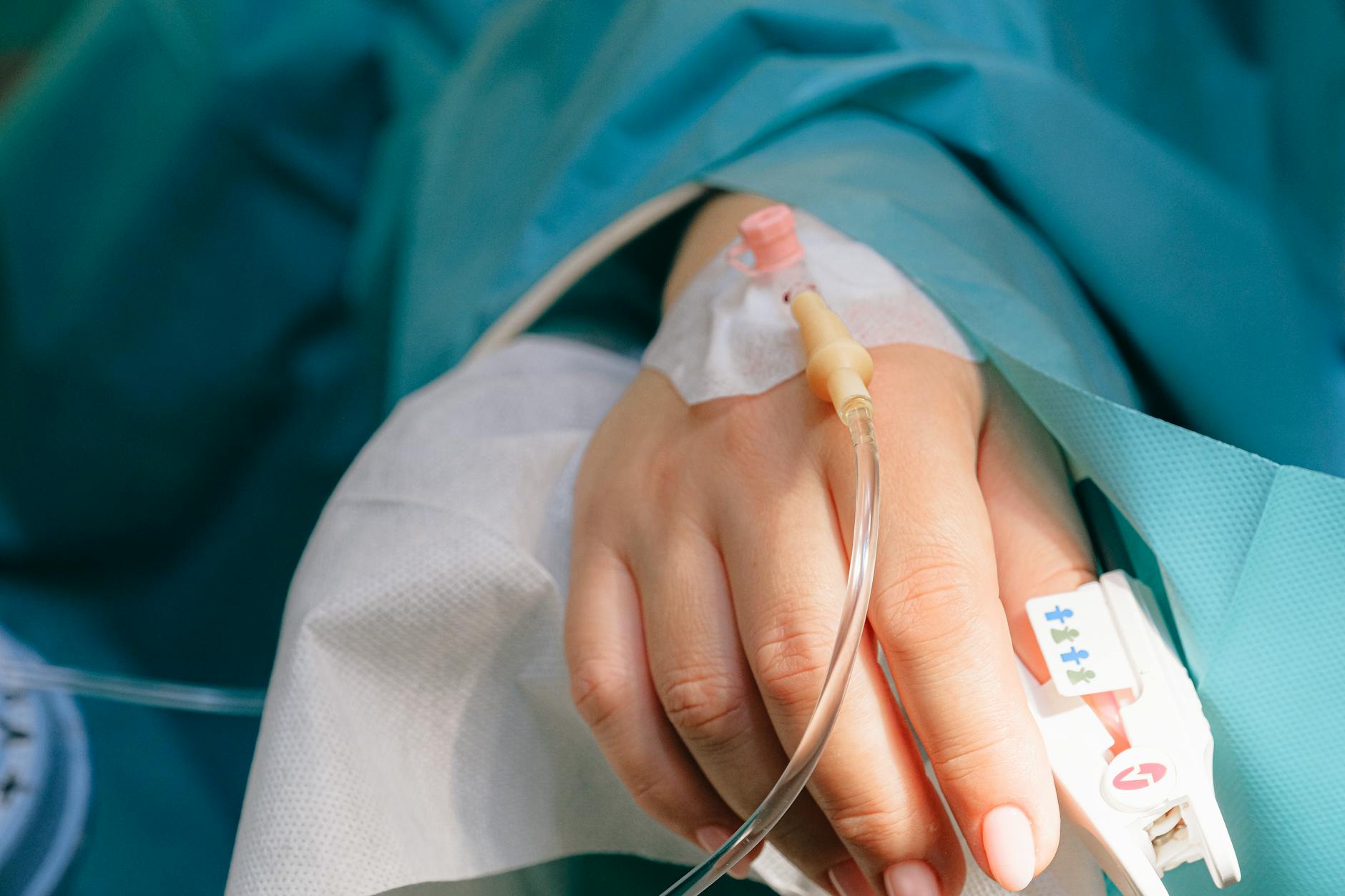
SARS-CoV-2, the virus that causes COVID-19, can damage the heart even without directly infecting the heart tissue, a National Institutes of Health-supported study has found. The research, published in the journal Circulation, specifically looked at damage to the hearts of people with SARS-CoV2-associated acute respiratory distress syndrome (ARDS), a serious lung condition that can be fatal. But researchers said the findings could have relevance to organs beyond the heart and also to viruses other than SARS-CoV-2.
Scientists have long known that COVID-19 increases the risk of heart attack, stroke, and Long COVID, and prior imaging research has shown that over 50% of people who get COVID-19 experience some inflammation or damage to the heart. What scientists did not know is whether the damage occurs because the virus infects the heart tissue itself, or because of systemic inflammation triggered by the body’s well-known immune response to the virus.
“This was a critical question and finding the answer opens up a whole new understanding of the link between this serious lung injury and the kind of inflammation that can lead to cardiovascular complications,” said Michelle Olive, Ph.D., associate director of the Basic and Early Translational Research Program at the National Heart, Lung, and Blood Institute (NHLBI), part of NIH. “The research also suggests that suppressing the inflammation through treatments might help minimize these complications.”
To reach their findings, the researchers focused on immune cells known as cardiac macrophages, which normally perform a critical role in keeping the tissue healthy but can turn inflammatory in response to injury such as heart attack or heart failure. The researchers analyzed heart tissue specimens from 21 patients who died from SARS-CoV-2-associated ARDS and compared them with specimens from 33 patients who died from non-COVID-19 causes. They also infected mice with SARS-CoV-2 to follow what happened to the macrophages after infection.
In both humans and mice, they found the SARS-CoV-2 infection increased the total number of cardiac macrophages and also caused them to shift from their normal routine and become inflammatory.
When macrophages are no longer doing their normal jobs, which includes sustaining the metabolism of the heart and clearing out harmful bacteria or other foreign agents, they weaken the heart and the rest of the body, said Matthias Nahrendorf, M.D., Ph.D., professor of Radiology at Harvard Medical School and senior author on the study.

The researchers then designed a study in mice to test whether the response they observed happened because SARS-CoV-2 was infecting the heart directly, or because the SARS-CoV-2 infection in the lungs was severe enough to render the heart macrophages more inflammatory. This study mimicked the lung inflammation signals, but without the presence of the actual virus. The result: even in the absence of a virus, the mice showed immune responses strong enough to produce the same heart macrophage shift the researchers observed both in the patients who died of COVID-19 and the mice infected with SARS-CoV-2 infection.
“What this study shows is that after a COVID infection, the immune system can inflict remote damage on other organs by triggering serious inflammation throughout the body – and this is in addition to damage the virus itself has directly inflicted on the lung tissue,” said Nahrendorf. “These findings can also be applied more generally, as our results suggest that any severe infection can send shockwaves through the whole body.”
The research team also found that blocking the immune response with a neutralizing antibody in the mice stopped the flow of inflammatory cardiac macrophages and preserved cardiac function. While they have yet to test this in humans, Nahrendorf said a treatment like this could be used as a preventive measure to help COVID-19 patients with pre-existing conditions, or people who are likely to have more severe outcomes from SARS-CoV-2 associated ARDS.
IMAGE CREDIT: Anna Shvets.
Sign up for the Daily Dose Newsletter and get the morning’s best science news from around the web delivered straight to your inbox? It’s easy like Sunday morning.


Leave a Reply