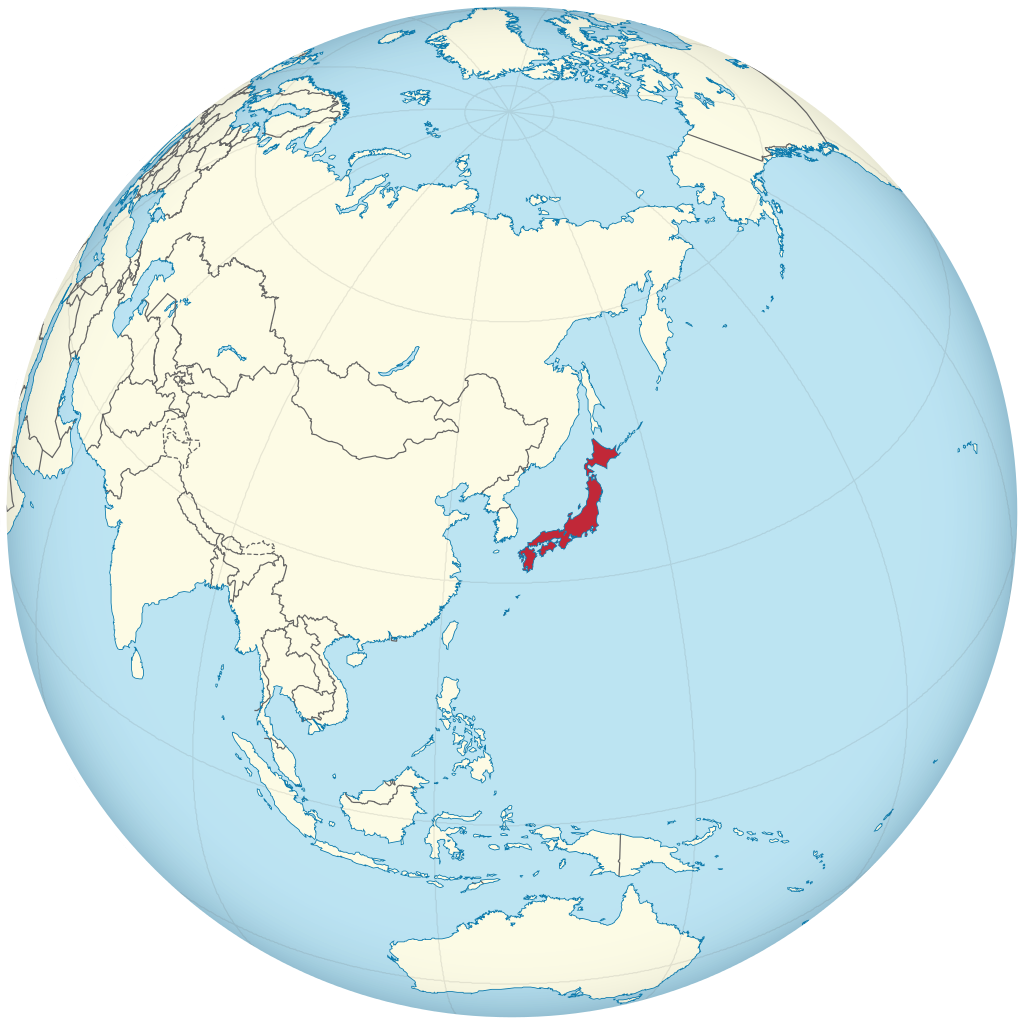
JAPAN HIT ON A NUMBER OF FRONTS.
A series of strong earthquakes in western Japan, including a magnitude 7.6 tremor in Ishikawa prefecture, resulted in at least 48 deaths and extensive damage, with tens of thousands of homes destroyed. Aftershocks continued, and officials warned of the possibility of more quakes. In Ishikawa, alongside the fatalities, 17 people sustained serious injuries, and the scale of property damage was immense. Japan’s preparedness, including public warnings and rapid response from emergency services, helped control some of the devastation. Despite this, the situation remains unpredictable, with the Japanese known for their disaster readiness. The government deployed 1,000 soldiers for rescue operations. Nuclear plants in the area functioned normally, avoiding a crisis like the 2011 disaster. Tsunami warnings were issued but later downgraded. Evacuations to shelters took place amidst disrupted transportation and impending adverse weather. The U.S. has offered assistance, recognizing Japan’s earthquake vulnerability due to its location in the Pacific “Ring of Fire.” (Associated Press)
AUSTRALIA DOUSED.
Heavy rainfall is moving towards Brisbane and the Sunshine Coast, with severe weather warnings canceled for south-east Queensland. After Christmas storms, 50 Australian Defence Force personnel are aiding the cleanup in affected areas. The Bureau of Meteorology (BOM) predicts heavy rainfall, possibly exceeding 350mm, posing a primary risk of flash flooding into Wednesday. Flood warnings are in place, particularly around the Gold Coast. Emergency Management Minister Murray Watt and Queensland’s Employment and Small Business Minister Lance McCallum announced support measures, including concessional loans for small businesses and personal hardship assistance, with 78,000 applications received so far. The Queensland Reconstruction Authority is considering extending disaster funding. The region has experienced over 300mm of rainfall in places, increasing landslide risks and road debris. Seqwater warns of dam releases, and the State Emergency Service (SES) has received 700 help requests. State Disaster Coordinator Shane Chelepy urges caution on roads, reporting 45 rescues since Monday. Scenic Rim Mayor Greg Christensen notes landslips and flooding, while Logan Mayor Darren Power highlights concerns for homeless populations near rivers. Emergency crews are evacuating at-risk individuals, with 500 personnel on the ground. Power outages persist, affecting thousands, with restoration efforts hampered by the weather. Energex prioritizes life-threatening emergencies and safe restoration work. (ABC)
If you’re enjoying the Daily Dose, sign up for the Daily Dose Newsletter and get the morning’s best science news from around the web delivered straight to your inbox? It’s easy like Sunday morning.
EV WITH SODIUM-ION BATTERIES.
JAC Motors, supported by Volkswagen, is launching the first mass-produced electric vehicle (EV) with a sodium-ion battery under its new Yiwei brand. This technology, while less mature and dense than lithium-ion, offers lower costs, abundant supplies, and better performance in cold weather, potentially boosting EV adoption. The JAC Yiwei EV hatchback, a rebranded version of the Sehol E10X, will start deliveries in January. It features a 252 km range, 25 kWh capacity, and efficient charging capabilities. Volkswagen holds significant stakes in JAC and its parent company, JAG, in a unique partnership with the Chinese government. The Yiwei brand, launched in 2023, aims to rebrand JAC’s vehicles, moving away from the Sehol label. Earlier, JAC introduced the Yiwei 3 at the Shanghai Auto Show, equipped with a lithium battery and plans for a sodium-ion version. The Yiwei EV uses cylindrical sodium-ion cells assembled in a honeycomb structure for enhanced stability and performance. (Engadget)

NYE DEATHS DUE TO STRAY BULLETS.
The Department of Health (DOH) in the Philippines reported a total of 443 casualties related to fireworks and stray bullets, with 212 incidents occurring since the start of the year. Most injuries happened at home or in the streets, with 102 cases caused by legal fireworks and 94 involving active participation. The first fireworks-related death was a 38-year-old man from the Ilocos Region, who ignited a firecracker while smoking. Additionally, a 23-year-old from the Davao Region suffered a stray bullet injury. The Philippine National Police confirmed two deaths from firecracker and stray bullet incidents following New Year 2024 celebrations. The victims’ ages ranged from 1 to 71, predominantly male. There have been 17 amputation cases, 122 eye injuries (including one resulting in blindness), and two cases of hearing loss. No new cases of ingestion have been reported. Of the total injuries, 441 were due to fireworks, one from watusi ingestion, and one from a stray bullet. Most cases originated from the National Capital Region. The majority of injuries were caused by various types of fireworks, including kwitis, 5-star, and piccolo. (GMA)
KIDNEY STONES CAUSE SEVERE INFECTION.
Lucinda “Cindy” Mullins, a Kentucky woman and nurse, faced a life-altering medical crisis when a kidney stone led to a severe infection and sepsis, resulting in the amputation of her legs and the future loss of her arms. Despite this unexpected turn, Mullins remains grateful for her life and family, including her husband DJ and their two sons. Her story began with a kidney stone treatment before Christmas and New Year’s, but complications escalated quickly, leading to a “perfect storm” of medical issues and necessitating amputations for survival. The impact of this event extends beyond her personal health, affecting her family and her nearly two-decade-long nursing career. However, Mullins has received significant community support, with over $100,000 raised and widespread emotional backing. Choosing to share her experience publicly, she aims to inspire others to appreciate life and family, emphasizing the importance of allowing others to help. Her resilience and perspective highlight an inspiring journey through a challenging ordeal. (The Guardian)
AMNH LEAF-CUTTER ANT TAKEOVER.
In December at the American Museum of Natural History, a half-million leaf-cutter ants from a colony, originally from Trinidad and nurtured in Oregon, adapted to their new environment in New York City. These tropical ants, known for harvesting leaves to cultivate fungal gardens for food and shelter, experienced a slower than expected transition to their exhibit, which opened in January. The initial challenges included cold, dry air hindering their activity, leading the museum to install humidifiers and simplify their foraging path. During summer, the ants thrived, efficiently harvesting a variety of leaves and oats. However, as winter approached, the museum’s staff, led by Hazel Davies, director of living exhibits, took proactive measures like adding a water heater and covering the display case at night to maintain a suitable environment. Despite occasional climatic challenges, the ants have been resilient, growing their colony and starting new fungal gardens. This journey showcases their adaptability and the museum’s commitment to creating a hospitable habitat through continuous learning and adjustments. (New York Times)
BAD MONEY.
Since the Endangered Species Act’s passage 50 years ago, over 1,700 U.S. species have been classified as endangered or threatened. However, there are significant disparities in funding: about half of the $1.2 billion annual budget is allocated for salmon and steelhead trout recovery. Other well-known species like manatees and grizzly bears also receive substantial funds, leading to the neglect of lesser-known species. For example, the Virginia fringed mountain snail received only $100 in 2020, while over 200 species had no funding at all. Climate change exacerbates the challenges in species protection. Experts suggest reallocating funds to more cost-effective recovery plans. In 2020, most funding went to fish (67%), with mammals, birds, insects, and plants receiving much less. Recent initiatives under President Biden’s climate law aim to provide more balanced funding, including $62.5 million for various species’ recovery plans and $5.1 million for underfunded groups like Hawaii and Pacific island plants, butterflies, and desert fish. (Japan Today)
JUST ACCEPT YOUR MISERY.
Stoicism, a philosophy valuing rationality and self-control, remains influential, particularly among business leaders like Elon Musk and Bill Gates. Initially a solace for the oppressed in ancient societies, it now strangely attracts the elite. Its principles include serenity and inner silence, yet figures like Musk are criticized for actions misaligned with these ideals, exemplified by his acquisition of Twitter which promotes a fast-paced, noisy culture. This ancient philosophy, rooted in 3rd century BC Athens, has been simplified in modern times, often reduced to practical self-help guidelines focusing on resilience and efficiency. However, experts suggest a deeper engagement with original Stoic texts to appreciate its complexity and relevance. Although some aspects of Stoicism are timeless, especially in crises, its application in today’s world requires discernment, acknowledging both its universality and its limitations in addressing societal change. This nuanced understanding contrasts with the superficial adoption by some elites, who may be drawn to its emphasis on personal virtue over transformative social action. (El Pais)
Thanks for reading. Let’s be careful out there.
WORDS: The Biology Guy.




Leave a Reply