Viruses in soil may not be as destructive to bacteria as once thought and could instead act like lawnmowers, culling older cells and giving space for new growth, according to research out of the University of California, Davis, published Sept. 28 in the journal Nature Ecology and Evolution.
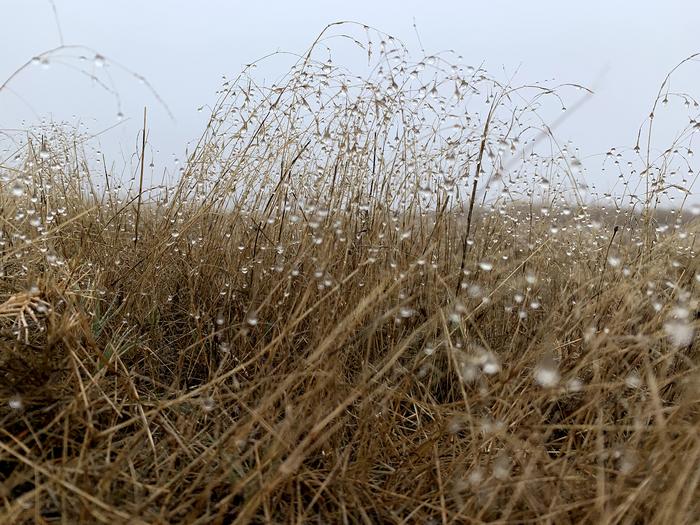
How viruses affect ecosystems, including bacteria, is challenging to untangle because they are complex and change over time and space. But the first annual rain on Mediterranean ecosystems, such as those in California, offers a kind of reset, triggering activity that can be observed.
Scientists took soil from four California grasslands, brought it back to their lab and simulated precipitation by watering the dry samples, which grew microorganisms and viruses. They tracked changes over 10 days.
“Viruses are really abundant in soil, but we didn’t know whether they were doing much of anything,” said Joanne B. Emerson, associate professor of plant pathology at UC Davis and corresponding author on the paper. “This level of extreme dynamics hasn’t been observed.”

The researchers found that the viral composition was diverse and changed so much that only 15% of the virus types were the same at the end of the experiment compared to the beginning. There was far less turnover when it came to bacteria. And the viruses preyed on the dominant types of bacteria but did not kill them off.
“Viral communities change much, much more over short temporal scales than bacterial communities from the same samples,” Emerson said. “We see this massive change, what we call turnover, in viral community composition over time.”
Viruses affect the makeup of bacterial communities, which can lead to differences in how ecosystems function because bacteria influence carbon and nutrient cycles in soil.
“Bacteria can affect plant health, ecosystem dynamics, all sorts of things,” Emerson said.
The finding suggests that viruses behave differently than once thought and this knowledge could lead to a better understanding of soil dynamics when it comes to bacteria.
“Instead of the viruses totally obliterating everything, maybe they do this gentle culling,” Emerson said.
The study also found that viruses behaved similarly across the four grasslands even though they had different compositions and came from different places. This suggests that viral patterns are similar, despite their specific characteristics.
“The much greater change in viral compared to bacteria types over time suggests that possibly we’ve been measuring bacteria wrong,” Emerson said.
The lead author on the paper is Christian Santos-Medellín, who was a postdoctoral researcher at UC Davis, and now works at Corteva Agriscience. Researchers from Lawrence Livermore National Laboratory, UC Berkeley and UC Merced contributed to the research.
IMAGE CREDIT: Christian Santos-Medellín
Sign up for the Daily Dose Newsletter and get the morning’s best science news from around the web delivered straight to your inbox? It’s easy like Sunday morning.

Leave a Reply