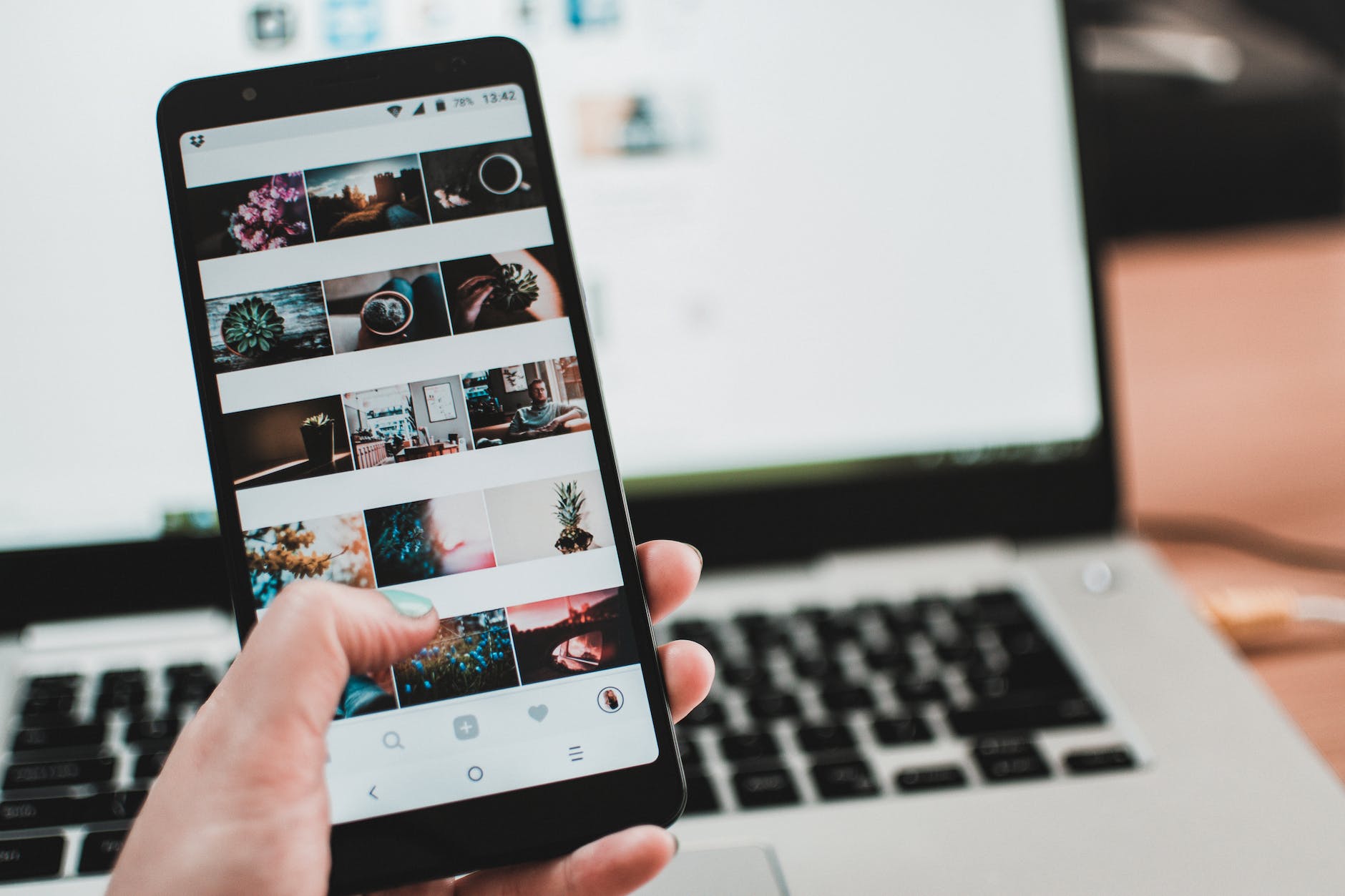
On average, young adults in Canada spend several hours on their smartphones every day. Many jump from TikTok to Netflix to Instagram, putting their phone down only to pick up a video game controller. A growing body of research is looking into the potential dangers of digital media overuse, as well as potential benefits of moderate digital media use, from a mental health standpoint.
A recent McGill University study of 425 Quebecers between the ages of 18 and 25 has found that young adults who have more frequent psychotic experiences also tend to spend more time using digital media. Interestingly, the study, which surveyed the participants over a period of six months, also found that spending more time on digital media did not seem to cause any change in the frequency of psychotic experiences over time, said lead author and psychiatry resident at McGill, Vincent Paquin.
By “psychotic experiences,” the researchers refer to a range of unusual thoughts and perceptions, such as the belief of being in danger and the experience of hearing and seeing things that other people cannot see or hear. These experiences are relatively common, affecting about 5% of young adults.

“Our findings are reassuring because they do not show evidence that digital media can cause or exacerbate psychotic experiences in young people,” said Paquin. “It is important to keep in mind that each person is different. In some situations, digital media may be highly beneficial for a person’s well-being, and in other cases, these technologies may cause unintended harms.”
The researchers hope their findings will help improve mental health services for young people. By better understanding the types of digital contents and activities that matter to young people, mental health services can be made more accessible and better aligned with individual needs, they say.
“It is important for young people, their families, and for clinicians and policymakers to have scientific evidence on the risks and benefits of digital media for mental health, Paquin said. “Considering that young adults with more psychotic experiences may prefer digital technologies, we can use digital platforms to increase their access to accurate mental health information and to appropriate services.”
IMAGE CREDIT: Lisa Fotios.
Sign up for the Daily Dose Newsletter and get the morning’s best science news from around the web delivered straight to your inbox? It’s easy like Sunday morning.



Leave a Reply