University of Alberta researchers have identified an amino acid that may play a key role in predicting poor clinical outcomes and the treatment of long COVID.
In research published today in Cell Reports Medicine, the team says it has developed a predictive test to determine which patients with COVID-19 will go on to develop longer-term symptoms and proposes a clinical trial of an already-approved supplement as a potential treatment.
“This research helps us understand what’s happening in the bodies of people with long COVID and could lead to better treatments and tests for them in the future,” says principal investigator Gavin Oudit, professor of medicine in the U of A’s Faculty of Medicine & Dentistry and director of the Heart Function Clinic at the Mazankowski Alberta Heart Institute.

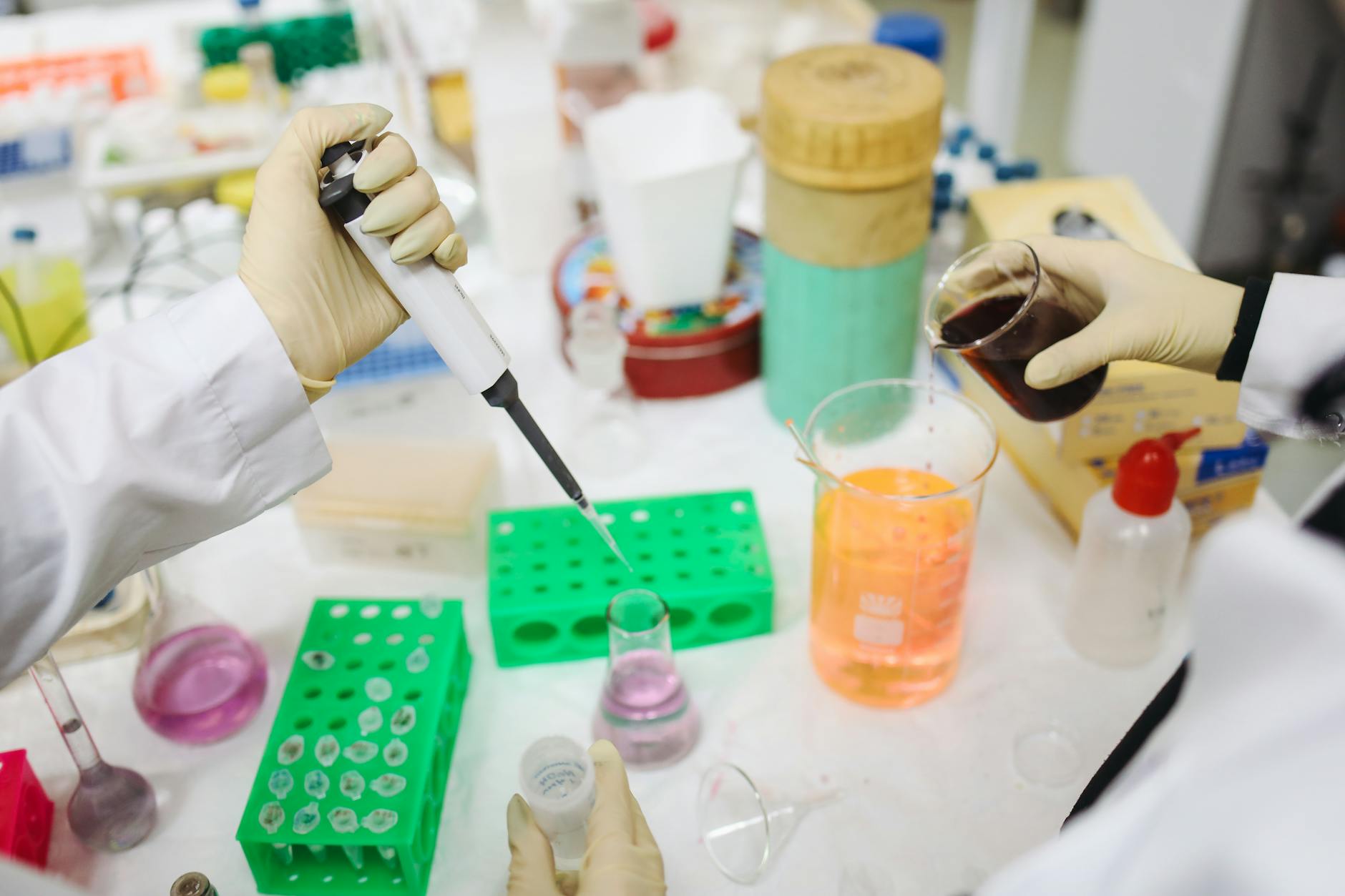
In the study, the team followed 117 Alberta patients who were admitted to hospital with acute COVID-19, taking blood samples upon admission and at six months, and examining their clinical records for 18 months. Fifty-five of the patients went on to develop severe post-COVID condition, or long COVID.
Researchers analyzed the patients’ blood for changes in proteins and metabolites, as well as signs of inflammation. They then reviewed results using machine learning and developed a predictive model composed of 20 molecules. They found their model predicted adverse clinical outcomes following discharge from acute infection with 83 per cent accuracy.
The most striking difference the researchers found among patients was in their plasma levels of the amino acid taurine.
“Patients with lower levels of taurine had a lot more symptoms, more of them were hospitalized and there was an increased risk for mortality,” says Oudit. “Patients that had high levels of taurine and maintained high levels of taurine in their blood had much fewer ongoing symptoms and did better.”
Taurine is an amino acid found in meat and fish and also produced by the human liver. It helps regulate several physiological functions including the immune system. Further study of the impact of taurine supplementation in humans is needed, says Oudit, whose team is now moving to initiate a Phase 3 clinical trial in patients with COVID-19 to test if they can minimize long COVID down the road.
Oudit is hopeful taurine will prove to have multisystem effects that would be of benefit to people experiencing a range of long COVID symptoms. In the meantime, he advises patience.
“Patients should not go out and start consuming taurine in high levels to help with long COVID,” he says. “Taurine supplements are relatively safe, but we need to get that evidence from a clinical trial.”
Sign up for the Daily Dose Newsletter and get the morning’s best science news from around the web delivered straight to your inbox? It’s easy like Sunday morning.



Leave a Reply