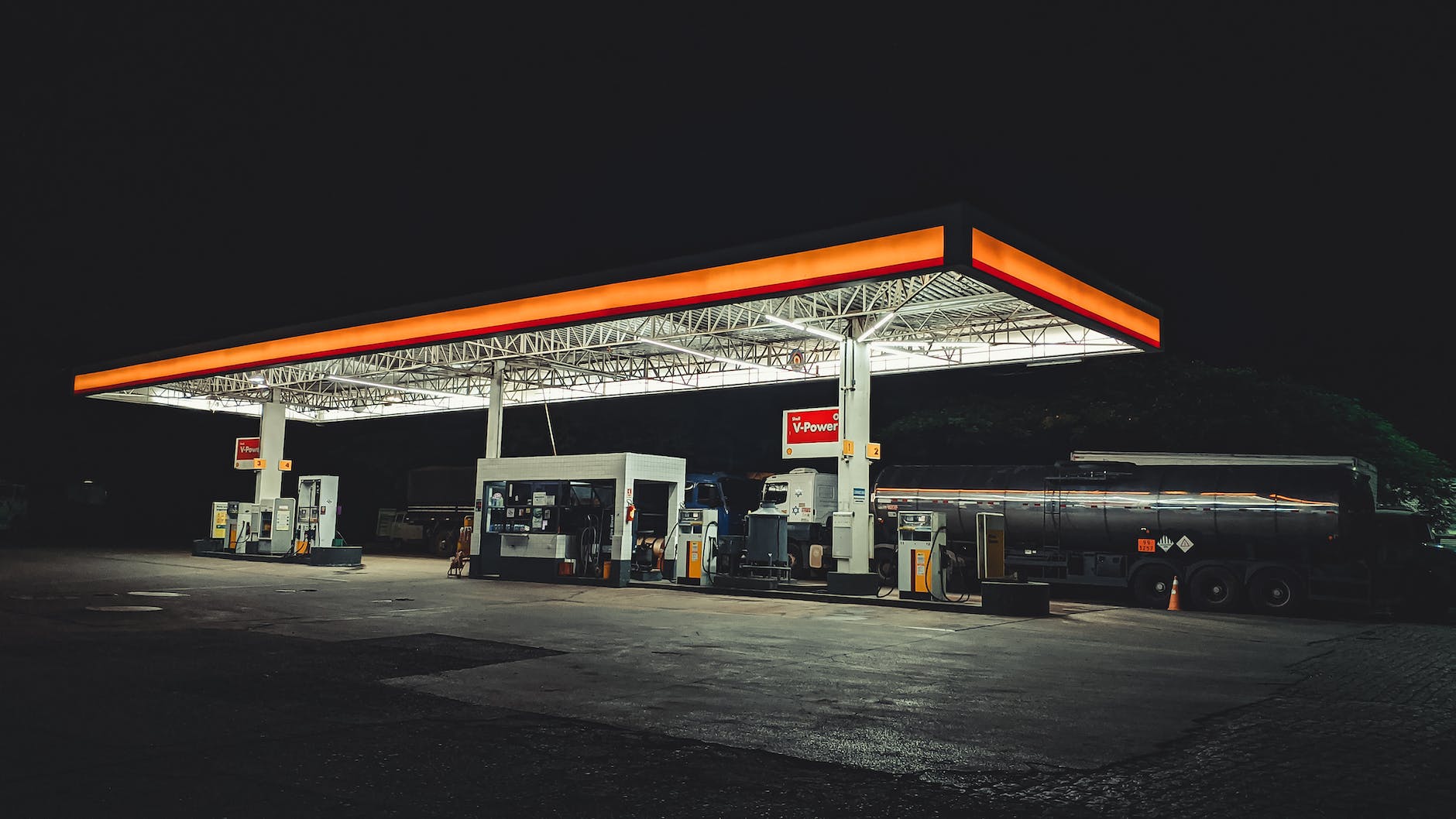
As the world strives to cut greenhouse gas emissions and find sustainable transportation solutions, University of Houston energy researchers suggest that hydrogen fuel can potentially be a cost-competitive and environmentally friendly alternative to traditional liquid fuels, and that supplying hydrogen for transportation in the greater Houston area can be profitable today.
A white paper titled “Competitive Pricing of Hydrogen as an Economic Alternative to Gasoline and Diesel for the Houston Transportation Sector” examines the promise for the potential of hydrogen-powered fuel cell electric vehicles (FCEVs) to significantly reduce greenhouse gas emissions in the transportation sector. More than 230 million metric tons of carbon dioxide gas are released each year by the transportation sector in Texas.
Traditional liquid transportation fuels like gasoline and diesel are preferred because of their higher energy density. Unlike vehicles using gasoline, which releases harmful carbon dioxide, and diesel – which contributes to harmful ground-level ozone, fuel cell electric vehicles refuel with hydrogen in five minutes and produce zero emissions.

The study compares three hydrogen generation processes: steam methane reforming (SMR), SMR with carbon capture (SMRCC), and electrolysis using grid electricity and water. The researchers used the National Renewable Energy Laboratory (NREL)’s H2A tools to provide cost estimates for these pathways, and the Hydrogen Delivery Scenario Analysis Model (HDSAM) developed by Argonne National Laboratory to generate the delivery model and costs.
Additionally, it compares the cost of grid hydrogen with SMRCC hydrogen, showing that without tax credit incentive SMRCC hydrogen can be supplied at a lower cost of $6.10 per kg hydrogen at the pump, which makes it competitive.
“This research underscores the transformative potential of hydrogen in the transportation sector,” Ehlig-Economides said. “Our findings indicate that hydrogen can be a cost-competitive and environmentally responsible choice for consumers, businesses, and policymakers in the greater Houston area.”
Sign up for the Daily Dose Newsletter and get the morning’s best science news from around the web delivered straight to your inbox? It’s easy like Sunday morning.



Leave a Reply