INTO THE WILD.
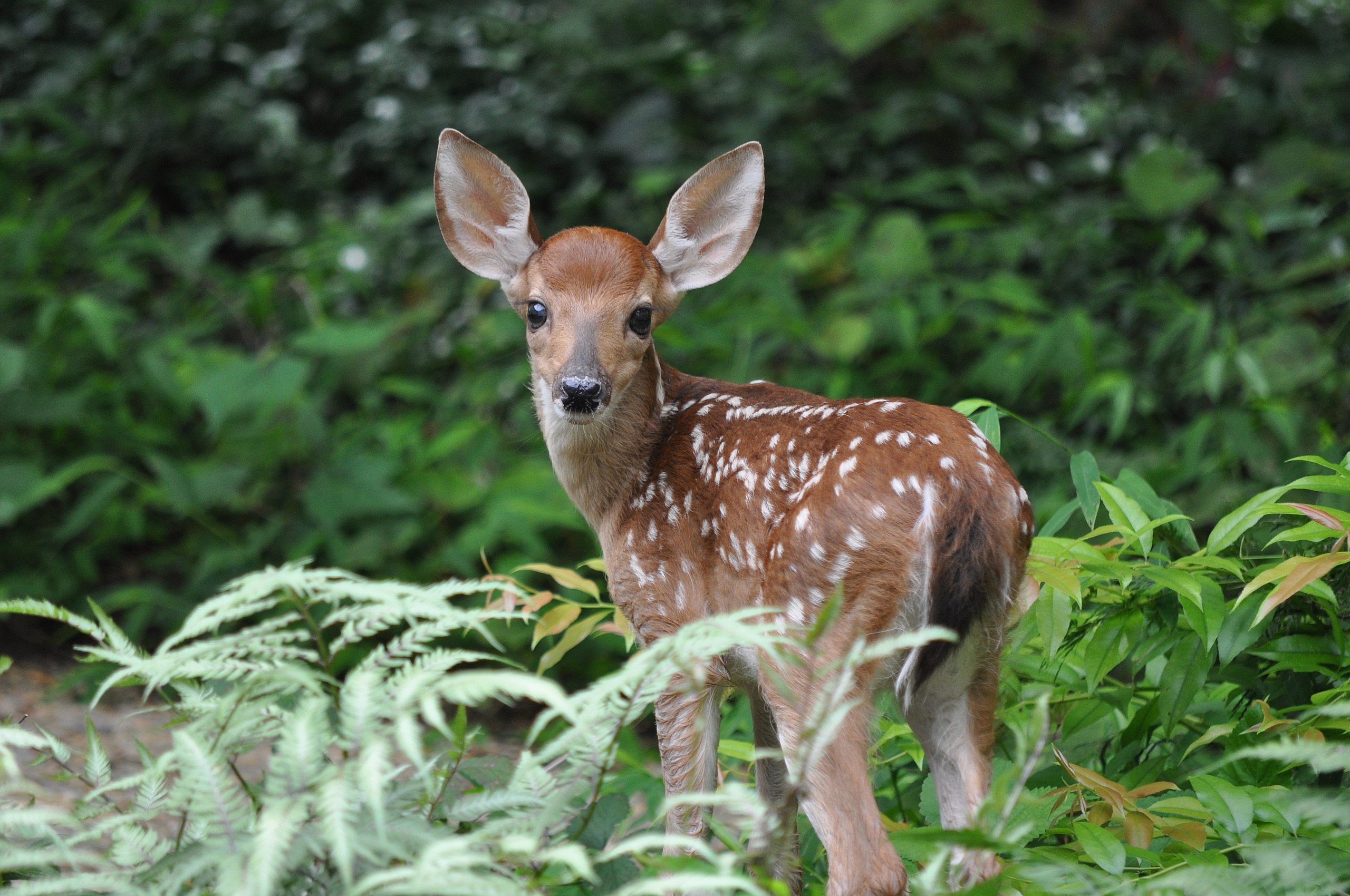
If there’s one wildcard that threatens to throw a serious curveball in the fight against Covid-19, it is the fact that wildlife are able to be infected by the virus responsible for the disease. This not only provides a place to hide out, it also provides an unseen laboratory that makes harmful mutations possible. A recent article in the Associated Press highlights work being done by researchers to monitor wildlife infections. “For postdoctoral researcher Kautz and a team of other wildlife experts, tracking the coronavirus means freezing temperatures, icy roads, trudging through deep snow and getting uncomfortably close to potentially dangerous wildlife. They’re testing bears, moose, deer and wolves on a Native American reservation in the remote north woods about 5 miles from Canada. Like researchers around the world, they are trying to figure out how, how much and where wildlife is spreading the virus. Scientists are concerned that the virus could evolve within animal populations – potentially spawning dangerous viral mutants that could jump back to people, spread among us and reignite what for now seems to some people like a waning crisis.” Sars-CoV-2 has been confirmed in wildlife in at least 24 U.S. states, including Minnesota. Recently, an early Canadian study showed someone in nearby Ontario likely contracted a highly mutated strain from a deer. https://bit.ly/3wPH2TZ
ANOTHER ONE BITES THE DUST (AGAIN).
Every now and again, we get reminded of the fact that drugs in development don’t always make it past clinical trials. The latest example is cancer drug that has stumbled during Phase 2. Per Reuters, “A highly anticipated new cancer immunotherapy by Roche (ROG.S) failed to slow the progression of an aggressive form of lung cancer, the Swiss drug maker said on Wednesday, boding ill for a range of rival drug developers working on similar compounds. The Skyscraper 2 trial was the first to produce results in the final stage of clinical testing in a class of drugs known as anti-TIGIT, which Roche and its U.S. unit Genentech have pioneered. Roche said it would continue the trial programme for the drug, known as tiragolumab, against various other cancer types.” https://reut.rs/3LJcfMT
CAN AI SAVE YOUR SKIN?
The fountain of youth may not have been found in its large-scale structural form, but that doesn’t mean science can’t devise a biosimilar that achieves the same goal. Per Fierce Biotech, “New research published Tuesday in the journal Aging describes how Insilico’s PandaOmics software was able to predict molecular targets for new drugs to treat both aging and age-associated diseases like Alzheimer’s, Parkinson’s, cirrhosis, rheumatoid arthritis and more. Within the Hong Kong-based company’s Pharma. AI drug discovery and development suite, PandaOmics is first on the call sheet, with its AI designed to sift through multiomic data to identify potential targets within minutes. It’s followed by the Chemistry42 engine to design novel molecules within a week and the InClinico software to design and predict clinical trials of those drug candidates.” https://bit.ly/3uFxFmX
DEFINING WHEN THE COVID-19 PANDEMIC IS OVER.
If there’s a single burning question shared by people around the world is this: When will we know that the Covid-19 pandemic is over? A recent article in Futurity attempts to address this by interviewing two experts from North Carolina State University. “An epidemic is “over” when the number of new cases returns to whatever the normal baseline is for that disease in that area. In the case of COVID, the original baseline was zero for the whole world, but at this point I don’t know anyone who thinks we’re going to completely eliminate SARS-CoV-2 anytime soon. Since it’s a new disease, we don’t know what the baseline is. I think most are hoping that it will end up being something similar to seasonal flu, and it probably will, eventually. But how long that takes, no one knows.” https://bit.ly/3iLUP5B
SAFE IN SPACE.
The Artemis Accords, an American-led effort to keep space a peaceful place, has a new signatory country. Per NASA, “Singapore demonstrated its commitment to the peaceful and responsible exploration of space by signing the Artemis Accords, which set forth the guiding principles for cooperation among nations participating in NASA’s Artemis program. Minister for Trade and Industry Gan Kim Yong signed the document during a ceremony March 28, 2022, in Washington. Singapore is the 18th country to sign the Artemis Accords, more than doubling the original number of nations that signed in October 2020.” The Artemis Accords reinforce and implement the 1967 Outer Space Treaty. https://go.nasa.gov/3ILxWKc
Thanks for reading. Let’s be careful out there.

Leave a Reply