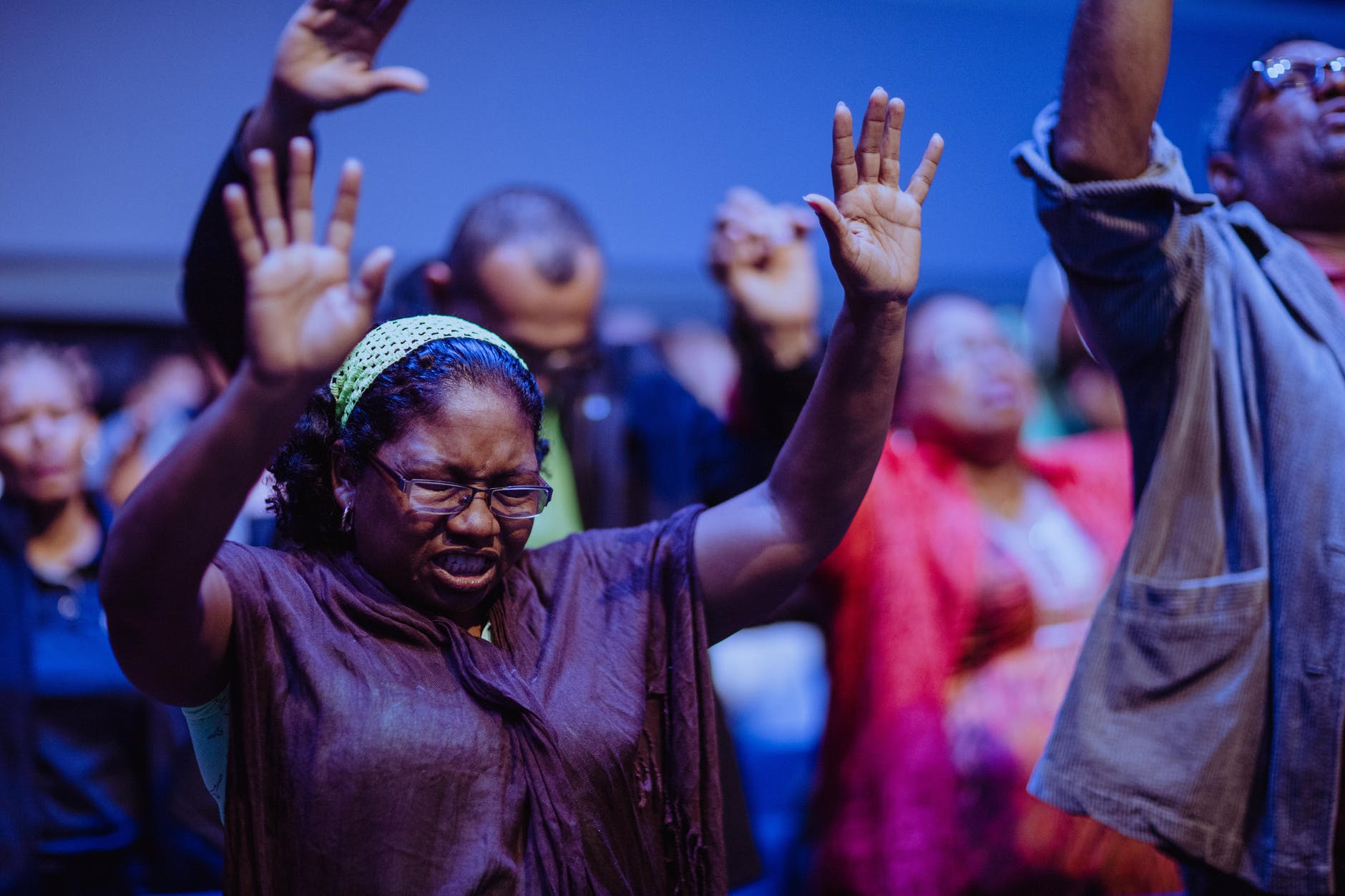
Two-thirds of Muslims, half of Jews and more than a third of evangelical Protestant Christians experience workplace discrimination, albeit in different ways, according to a new study from Rice University’s Religion and Public Life Program (RPLP).

“When we conducted interviews, we were able to get much deeper into how people are experiencing religious discrimination,” said Rachel Schneider, a postdoctoral research fellow in RPLP and lead author of “How Religious Discrimination is Perceived in the Workplace: Expanding the View.” “We found that it’s not just about hiring, firing and promotion, which are the things that people usually think about.”
While Muslims, Jews and Christians each said they experienced negative or harmful comments, stereotyping and social exclusion, Muslims and Jews felt targeted by anti-Islamic and antisemitic rhetoric tied to being seen as part of a larger group. Evangelical Christians, meanwhile, felt singled out when taking an individual stand based on their moral views.
“Sometimes they were called ‘Ms. Holy’ or ‘Holy Roller,’ and many evangelical Christians felt like they were perceived as being judgmental, narrow-minded and/or right wing,” Schneider said.
In addition, co-author Denise Daniels, the study’s co-principal investigator and the Hudson T. Harrison Professor of Entrepreneurship at Wheaton College, said many of the Christians surveyed gave examples of feeling isolated at work.
“This was due to their co-workers’ presumptions about the kinds of conversations or outside-of-work events they would want to participate in,” she said.
All three groups — but especially Muslims and Jews — described feeling uncomfortable asking to observe religious holidays or wearing religious attire at work and mentioned negative experiences they’d had with supervisors and co-workers. Muslims and Jews were most likely to feel they needed to downplay or hide their religion in the workplace.
“Identity concealment is often used by people who are part of stigmatized groups,” said co-author Deidra Coleman, a postdoctoral research fellow at the University of Texas Health Science Center at Houston. “It’s a proactive way to ‘manage’ anticipated religious discrimination, but it can have negative impacts on one’s mental health.”
Principal investigator Elaine Howard Ecklund, director of RPLP and the Herbert S. Autrey Chair in Social Sciences at Rice, said the findings challenge employers to reconsider how they think about religious discrimination. She said figuring out how to balance different groups and perspectives while showing sensitivity to all involved is complicated.
“I think a good lesson for human resources divisions is that making people feel welcome and comfortable in the workplace takes more than specialized foods and places to pray,” she said. “These day-to-day interactions among co-workers are incredibly important, but they’re harder to remedy without proper education. Workplace training must include exercises that specifically target all kinds of religious discrimination.”

.jpg)

Leave a Reply