Public health officials and nutritionists have cast a suspicious eye on food advertising for a long time. Recently, the World Health Organization suggested certain restrictions be put into place regarding advertising for food products high in fat, sugar and/or salt (HFSS). A recent study in PLOS Medicine examined advertising practices in the London Underground. According to the authors, “In this study, we identified substantial opposition from food and advertising industry actors to the TfL advertising restrictions. We mapped arguments and activities used to oppose the policy, which might help other public authorities anticipate industry efforts to prevent similar restrictions in HFSS advertising. Given the potential consequences of commercial influence in these kinds of policy spaces, public bodies should consider how they engage with industry actors.” They found that the food and beverage industry weren’t particularly open to advertising restrictions. https://bit.ly/3AbMrDm
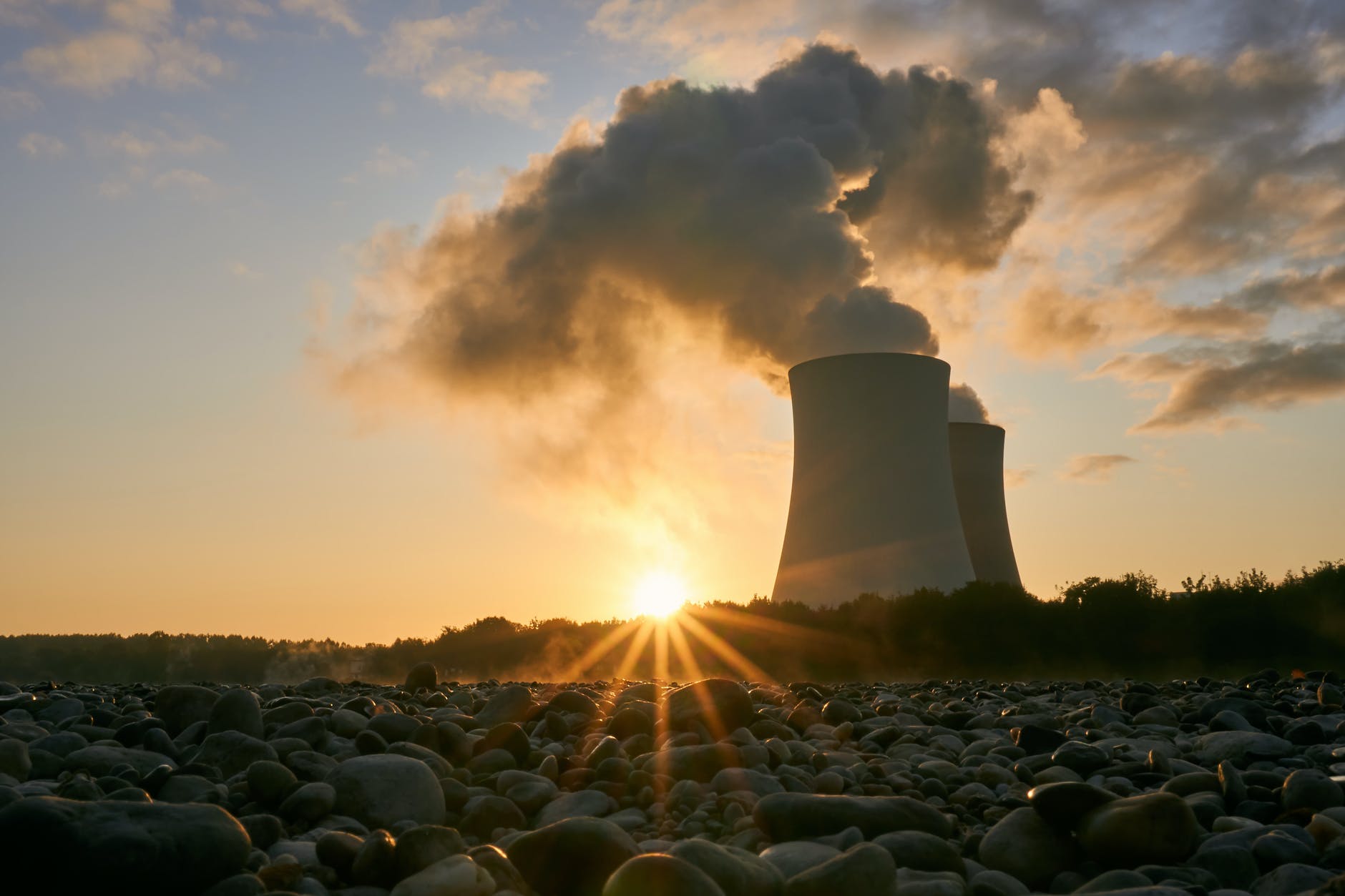
China is about to embark on a new form of nuclear energy that can help them reach their sustainability goals. The process entails using a waste by-product of their rare earth materials industry. Per Nature, “Scientists are excited about an experimental nuclear reactor using thorium as fuel, which is about to begin tests in China. Although this radioactive element has been trialled in reactors before, experts say that China is the first to have a shot at commercializing the technology. The reactor is unusual in that it has molten salts circulating inside it instead of water. It has the potential to produce nuclear energy that is relatively safe and cheap, while also generating a much smaller amount of very long-lived radioactive waste than conventional reactors.” Safer nuclear energy processes can only be a good thing. https://go.nature.com/3nn0eDE
Scientists are a step closer to achieving nuclear fusion thanks to the production of massive powerful magnets. Per the Associated Press, “Teams working on two continents have marked similar milestones in their respective efforts to tap an energy source key to the fight against climate change: They’ve each produced very impressive magnets. On Thursday, scientists at the International Thermonuclear Experimental Reactor in southern France took delivery of the first part of a massive magnet so strong its American manufacturer claims it can lift an aircraft carrier. Almost 60 feet (nearly 20 meters) tall and 14 feet (more than four meters) in diameter when fully assembled, the magnet is a crucial component in the attempt by 35 nations to master nuclear fusion. Massachusetts Institute of Technology scientists and a private company announced separately this week that they, too, have hit a milestone with the successful test of the world’s strongest high temperature superconducting magnet that may allow the team to leapfrog ITER in the race to build a ‘sun on earth.’” https://bit.ly/3jXZt1N
Today, it is standard practice for architects and engineers to take local weather conditions into account when planning and constructing structures. However, it is unclear whether builders had done so in the distant past. A recent study in Nature examined Chinese architecture and whether the buildings showed that their construction took annual snowfall into account. According to the authors, “Here, we show periodic change and a positive trend in roof slope of traditional buildings in the northern part of central and eastern China and demonstrate climate change adaptation in traditional Chinese architecture, driven by fluctuations in extreme snowfall events over the past thousand years. This study provides an excellent example showing how humans have long been aware of the impact of climate change on daily life and learned to adapt to it.” It’s a fascinating paper worth the read. https://bit.ly/38Y5Zzn
Thanks for reading. Let’s be careful out there.




Leave a Reply