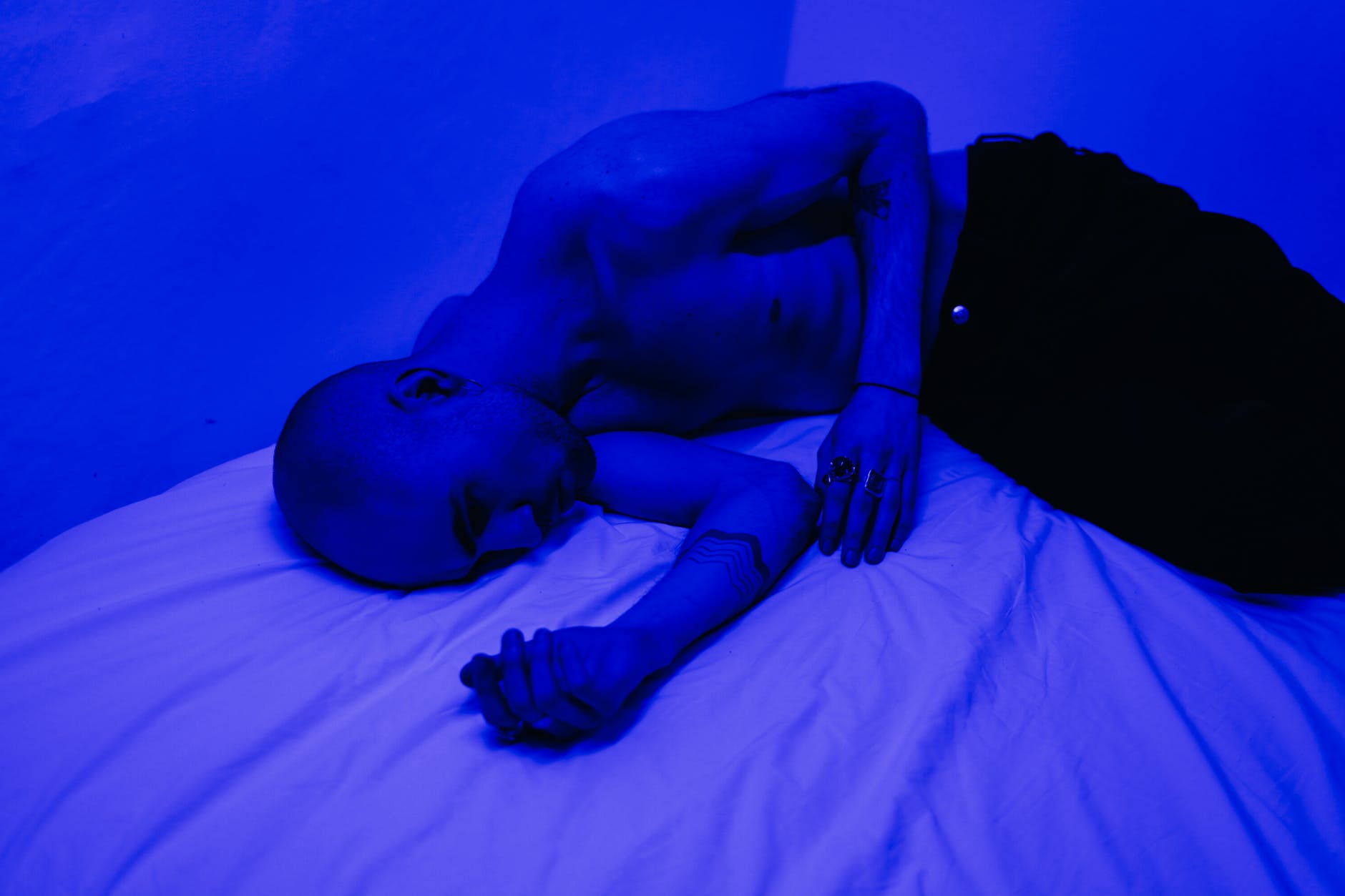
After 7 days of recovery from a 10-day period of deficient sleep, participants in a small study had recovered their pre-sleep deprivation reaction speed, but had not fully recovered on any other measures of function. Jeremi Ochab of the Jagiellonian University in Kraków, Poland, and colleagues present these findings in the open-access journal PLOS ONE on September 1, 2021.
Sleep deficiency is well known to negatively impact human functioning. For example, it is associated with deficits in attention and memory, as well as increased risk of car accidents, heart problems, and other medical issues. However, while some research has addressed recovery after chronic sleep deprivation, it has been unclear how much time is needed to fully recover from prolonged periods of deficient sleep.
To shed more light on this topic, Ochab and colleagues conducted a small study with several healthy adults who underwent 10 days of purposeful sleep restriction followed by 7 recovery days of unrestricted sleep. Participants completed the study in their normal day-to-day environments and wore wrist sensors to monitor daily patterns of sleep and activity. They also underwent daily electroencephalography (EEG) to monitor brain activity, and they answered daily questions (Stroop tasks) to measure reaction times and accuracy.
After 7 days of recovery, the participants had not yet returned to pre-sleep deprivation performance on most measures of functioning. These included several EEG measures of brain activity, rest-versus-activity patterns captured by wrist sensors, and accuracy on Stroop tasks. Only their reaction times had recovered to baseline levels.
While the researchers note that it is difficult to compare these results with other studies that employed different methods, the findings contribute new insights into recovery from chronic sleep loss. Future research could expand to a greater number of participants, investigate longer recovery periods, and disentangle the order in which different functions return to normal.
The authors add: “The investigation of the recovery process following an extended period of sleep restriction reveal that the differences in behavioral, motor, and neurophysiological responses to both sleep loss and recovery.”
Leave a Reply