Prior to the Olympic games in Tokyo, local experts worried about the influx of athletes from around the world and what it might mean for the spread of COVID-19 within the country. As the event drew to a close, it became clear that the country’s deteriorating coronavirus situation was driven by local infections. It has only gotten worse since then. Per the Associated Press, “Japan expanded its coronavirus state of emergency on Wednesday for a second week in a row, adding eight more prefectures as a surge in infections fueled by the delta variant strains the country’s health care system. The government last week extended the state of emergency until Sept. 12 and expanded the areas covered to 13 prefectures from six including Tokyo. With four new prefectures added to a separate “quasi-emergency” status, 33 of Japan’s 47 prefectures are now under some type of emergency measures.” https://bit.ly/2Wo69xe
Right now, the only COVID-19 therapy on the market is Regeneron’s antibody cocktail. There are a number of possible rivals set to join the field. Per FierceBiotech, “Add Brii Biosciences to the list of biotechs that have surged forward because of the COVID-19 pandemic. Brii, which only launched in 2018, now has phase 2/3 clinical trial data showing its antibody cocktail slashes the chances of hospitalization and death in high-risk outpatients with COVID-19 infections. The National Institutes of Health-sponsored ACTIV-2 study randomized 837 non-hospitalized COVID-19 patients at high risk of clinical progression to receive placebo or Brii’s antibody cocktail. As of the interim analysis, 12 people in the treatment arm had been hospitalized, compared to 45 of their peers on placebo. One patient on BRII-196/BRII-198 died, compared to nine people on placebo. Brii used the data to calculate that BRII-196/BRII-198 cuts hospitalizations and deaths by 78%.” The approval of Brii’s antibody therapy would almost be readily adopted and accepted. Almost. https://bit.ly/3sJJgQF
The World Health Organization has created a new panel of experts tasked with investigating the origins of pathogens and is currently accepting applications. Per STAT, “The group will help establish frameworks for investigating the origins of pathogens early on as cases of disease are reported. As an example, Van Kerkhove said that if the group was up and running right now, the WHO could turn to the experts to figure out where the recently confirmed Ebola infection detected in a person traveling in Cote d’Ivoire came from, or what studies might inform us about a recent fatal Marburg case in Guinea.” From the way it’s been described by WHO officials, it sounds like a way for them to deal with the constant barrage of criticism directed toward them during the COVID-19 pandemic. https://bit.ly/38rKZRr
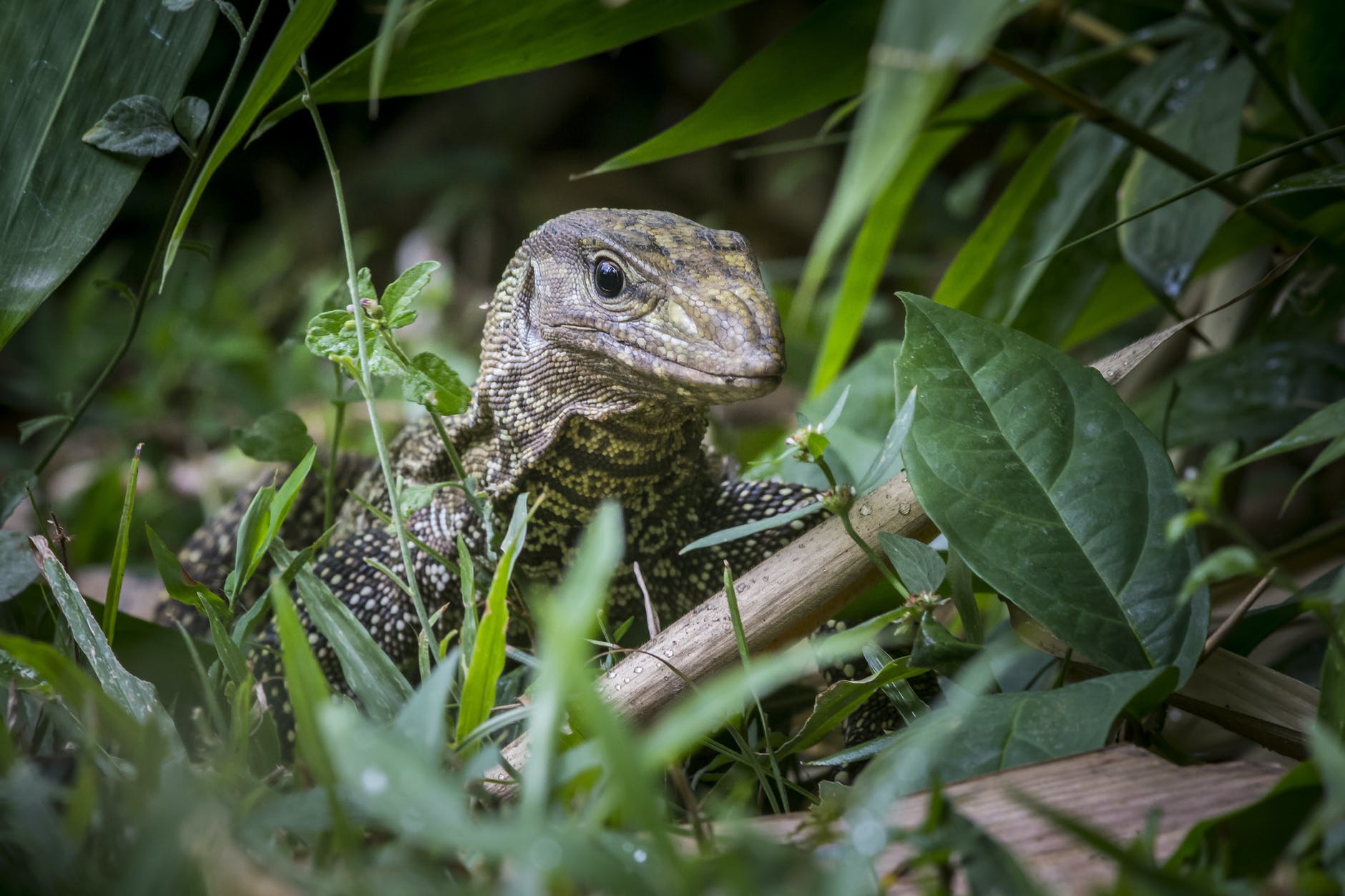
In a nice example of citizen science, inhabitants of the Galapagos Islands have been collecting DNA samples from the animals they share the islands with. Per the Associated Press, “The Barcode Galapagos Project uses local people to gather, prepare and process tiny samples in DNA sequencing machines set up in three laboratories on the islands. They search the soil and dip into the sea to collect samples left by the islands’ plant and animal life, from large to microscopic. The samples are run through the machines to determine short DNA sequences, producing barcode identifiers or fingerprints of thousands of species that can be compared with similar samples from elsewhere across the world.” https://bit.ly/389wHVn
Lastly, the BBC recently profiled the Orang Laut, a small group of people believed to be the first inhabitants of the area now called Singapore. According to the article, “The Orang Laut traditionally lived off the sea. They foraged and hunted in the mangroves, fished in the rivers and ocean, and turned to plants and seafood when treating illnesses and injuries. They had to think on their feet, knowing what to look for when it was high or low tide. Food was more than just sustenance but a way of life.” It’s interesting as well as informative. https://bbc.in/2WnBSP7
Thanks for reading. Let’s be careful out there.



Leave a Reply