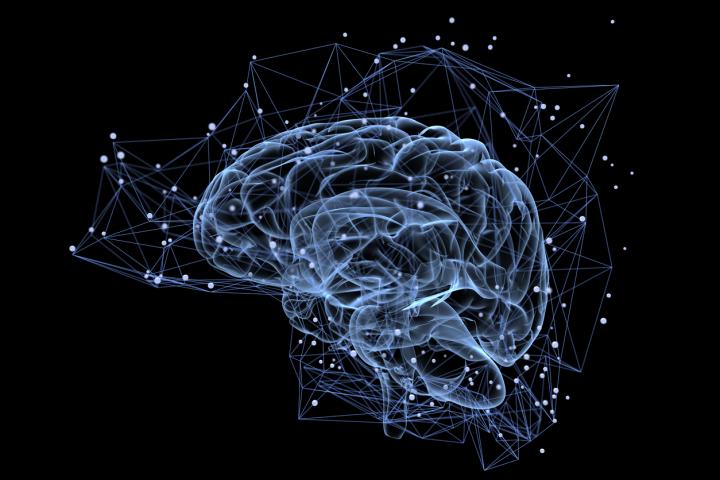
Neurons in the hippocampus fire during specific moments in time, according to research recently published in JNeurosci. The cells may contribute to memory by encoding information about the time and order of events.
Episodic memories involve remembering the “what, where, and when” of past experiences. The “where” may be encoded by place cells in the hippocampus, which fire in response to specific locations. Rodents have hippocampal neurons that fire in response to specific moments in time — the “when” — but until recently it was not known if the human brain contained them too.
Reddy et al. recorded the electrical activity of neurons in the hippocampus of epilepsy patients undergoing diagnostic invasive monitoring for surgery. During the recording, the participants viewed and memorized a sequence of 5 to 7 images. At random intervals, the participants were quizzed on the next image in the sequence before it resumed. Time-sensitive neurons fired during specific moments in time between quizzes, irrespective of the image. The neurons still tracked time even during 10-second gaps with no images while the participants waited. The researchers could decode different moments in time based on the activity of the entire group of neurons. These results demonstrate the human brain contains time-tracking neurons.




Leave a Reply