A team of researchers has announced that they have sequenced the entire human genome, dark bits and all. It’s a stunning achievement and surpasses the work done by the Human Genome Project. According to STAT, “The claim, if confirmed, surpasses the achievement laid out by leaders from the Human Genome Project and Celera Genomics on the White House lawn in 2000, when they announced the sequencing of the first draft human genome. That historic draft, and subsequent human DNA sequences, have all missed about 8% of the genome.” The researchers took advantage of new technologies not available 20 years ago, including new DNA sequencing technologies developed by two private sector companies: Pacific Biosciences of Menlo Park, Calif., alsos PacBio, and Oxford Nanopore, of Oxford Science Park, U.K.. https://bit.ly/3pbvzIl
The COVID-19 pandemic has made all sectors of the scientific community up their games and adapt to the coronavirus. Virologists have atarted exploring new ways to investigate SARS-CoV-2. Per Nature, “‘Organoids have found their way into the toolbox of virologists,’ says Hans Clevers, a developmental biologist at the Hubrecht Institute in Utrecht, the Netherlands. The technology had previously been used mainly to study basic human biology, development and related disorders, and cancers, with only a few labs using the models to study viruses and other infectious diseases. But the pandemic has brought organoids to centre stage, spurring high-impact papers and demonstrating their value for drug development, says Clevers.” http://go.nature.com/3yVqet1
Naming the diffwrent coronavirus variants has been tricky from Day 1. Now, the World Health Organization has finally devised a more streamlined nomenclature. Once more from STAT, “Each variant will be given a name from the Greek alphabet, in a bid to both simplify the public discussion and to strip some of the stigma from the emergence of new variants. A country may be more willing to report it has found a new variant if it knows the new version of the virus will be identified as Rho or Sigma rather than with the country’s name, Maria Van Kerkhove, the WHO’s coronavirus lead, told STAT in an interview.” http://bit.ly/3pmmeOd
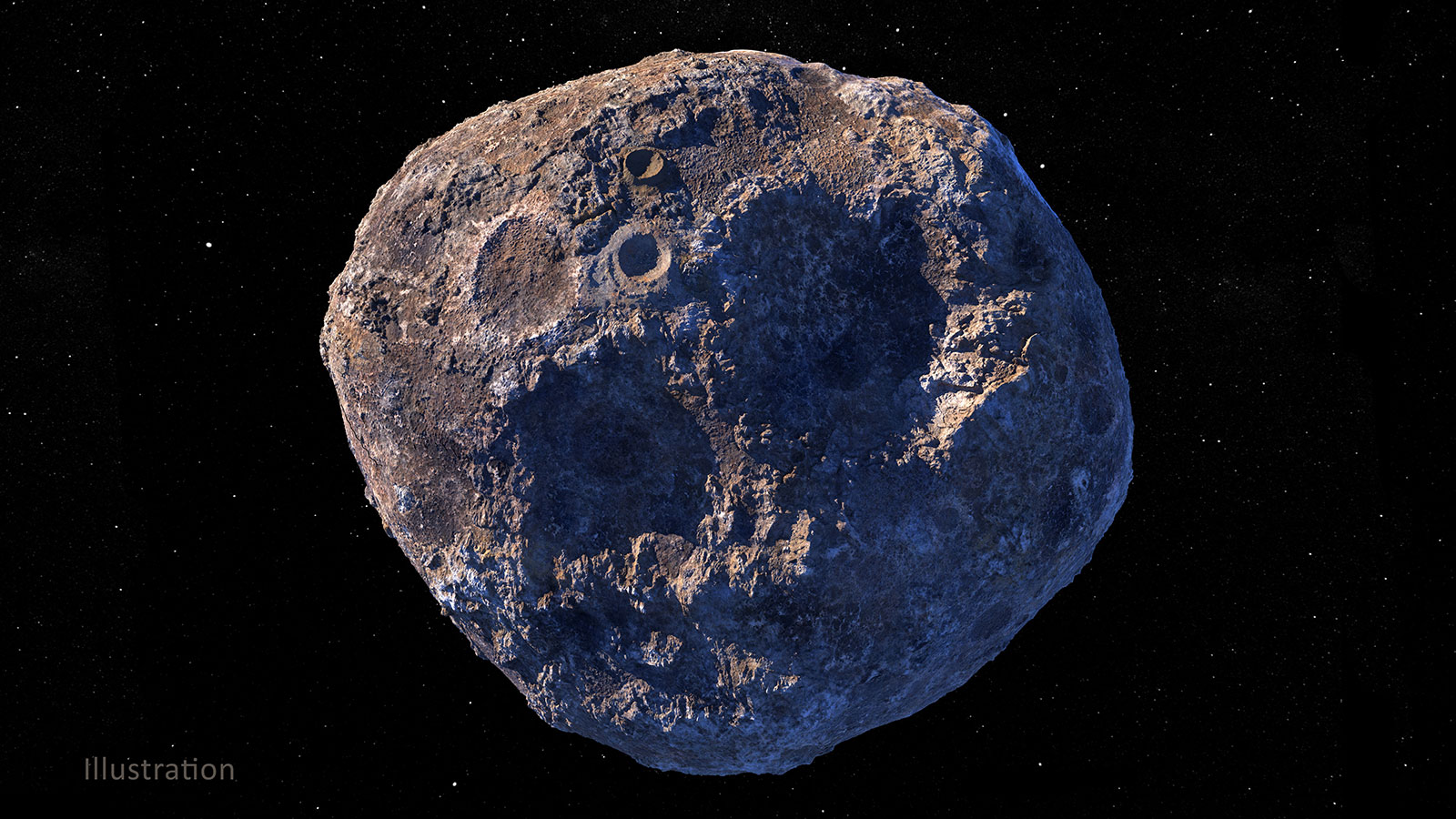
Scientific American has a very thought provoking article about whether we — as in us Earthlings — are doing enough to “prevent” a massive asteroid from slamming into Earth and wiping us out. “On any given day the likelihood is low that a space rock will devastatingly smash into Earth. But the consequences of such a catastrophe would be severe. And our solar system’s history—planets pocked with craters, crashes on other planets in recent memory, huge objects hurtling through Earth’s atmosphere and captured on dashcams—demonstrates the statistical truth that events unlikely to happen on any given day do happen, given enough days. That’s why NASA has an entire office dedicated to the problem; why a slew of astronomical facilities gather preventive data; and why an upcoming space mission will demonstrate what earthlings can do if a space rock does come knocking.” Unfortunately, if you read the article, there’s more than enough reason for some pessimistic concern. http://bit.ly/3vTYaVn
Thanks for reading. Let’s be careful out there.




Leave a Reply