
One of the creepier developments of the artificial intelligence revolution has been the ability to monitor (a better word is spy) on children’s faces while sitting in classrooms in the hopes of determining their emotions and level of attention. Now, people are beginning to speak out about the need to regulate such invasive technology. Per Nature, “Countries around the world have regulations to enforce scientific rigour in developing medicines that treat the body. Tools that make claims about our minds should be afforded at least the same protection. For years, scholars have called for federal entities to regulate robotics and facial recognition; that should extend to emotion recognition, too. It is time for national regulatory agencies to guard against unproven applications, especially those targeting children and other vulnerable populations.” Is it really that necessary to know every little bit about people? The technology is a perfect example of just because we can, doesn’t mean we should. https://go.nature.com/2Re07MM
WIth over a half-million people dead from COVID-19 in the United States, it’s amazing that conspiracy theories about the disease continue to proliferate. And yet, it does. An article in the Associated Press takes a look at the phenomenon and what experts are saying about it. Per the AP, “As the world struggles to break the grip of COVID-19, psychologists and misinformation experts are studying why the pandemic spawned so many conspiracy theories, which have led people to eschew masks, social distancing and vaccines. They’re seeing links between beliefs in COVID-19 falsehoods and the reliance on social media as a source of news and information. And they’re concluding COVID-19 conspiracy theories persist by providing a false sense of empowerment. By offering hidden or secretive explanations, they give the believer a feeling of control in a situation that otherwise seems random or frightening.” So basically, it’s just like all the other conspiracy theories. I’m not sure whether that is comforting or disturbing. https://bit.ly/3dBN2EE
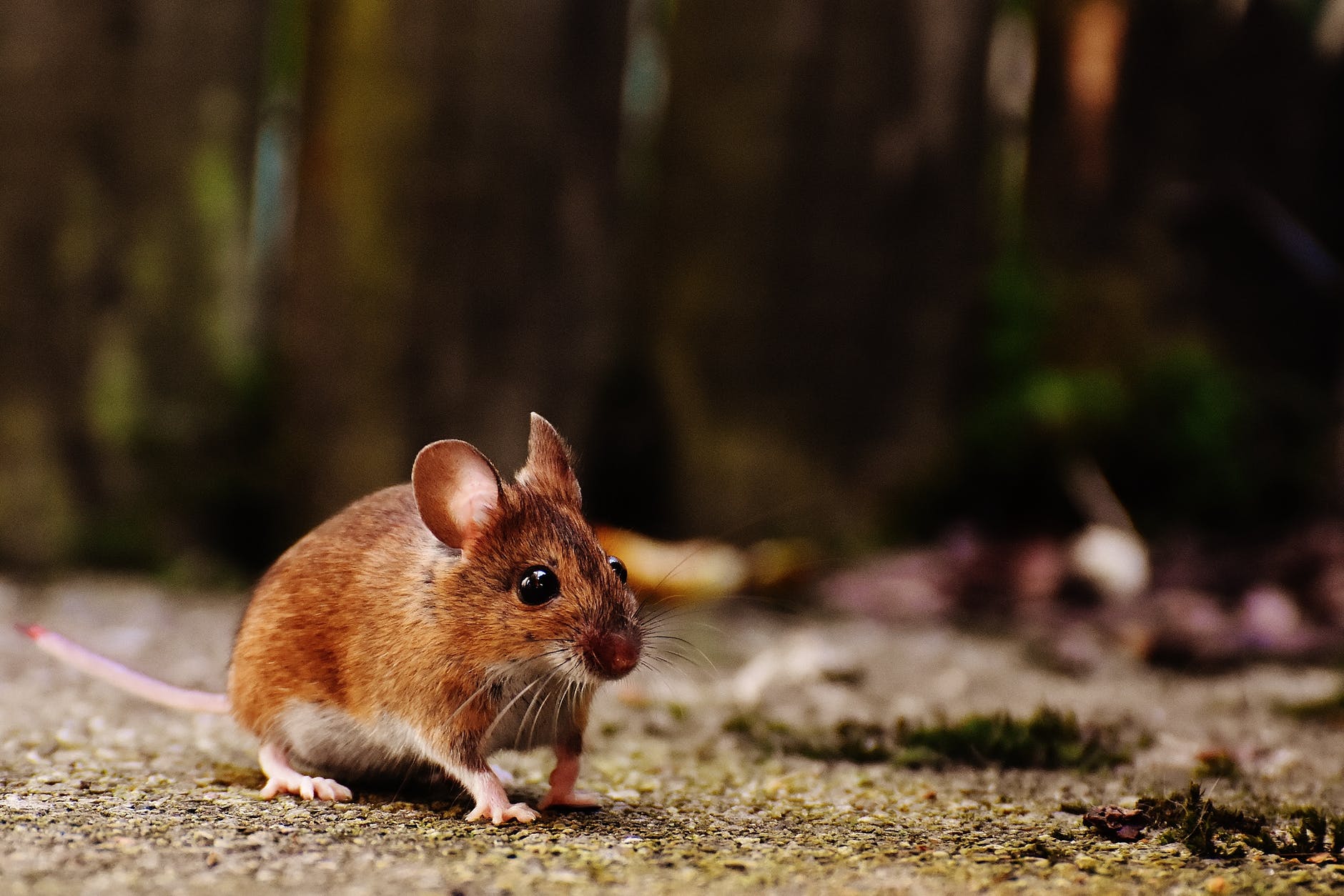
Stress and hair-loss has been linked for a long time in humans. Up until now, the exact mechanism has been a mystery. Recent research goes a long way toward explaining the phenomenon. Per the Scientist, “To solve that mystery, Harvard University stem cell biologist Ya-Chieh Hsu and her colleagues turned to mice. They first confirmed the effects of stress by subjecting mice to unpredictable discomforts such as tilting their cages or flashing the room lights, and indeed saw that the animals grew less hair than unstressed animals did. The researchers then conducted a series of experiments to dig deeper into the physiological consequences of stress and found long-range signaling from the endocrine glands above the kidneys to cells in the skin.” It would be great if scientists figured out a way of reversing stress-related hair loss. https://bit.ly/3uspqZH
Thanks for reading. Let’s be careful out there.


Leave a Reply