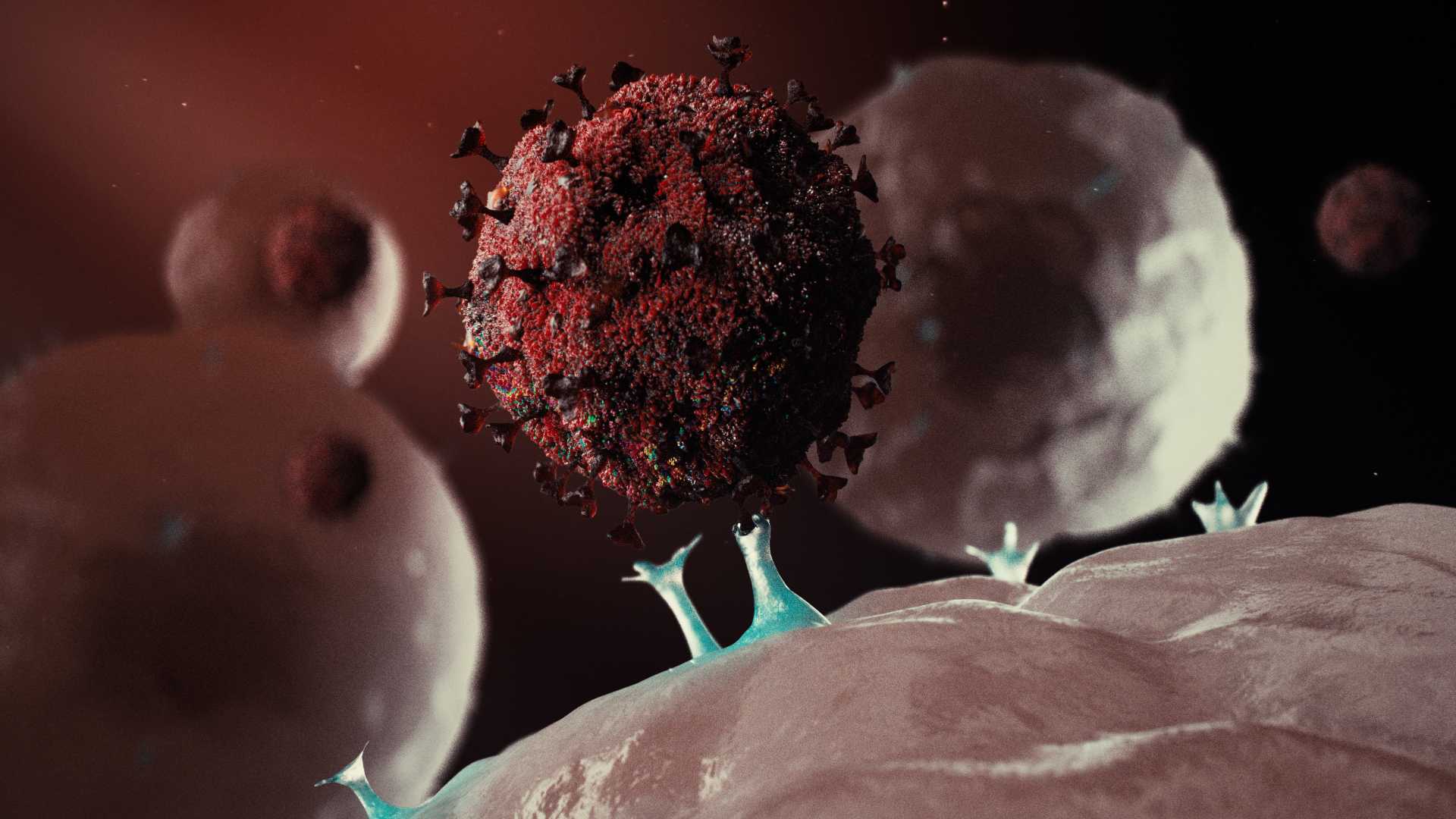
A deep sequencing study of 747 SARS-CoV-2 virus isolates has revealed mutant peptides derived from the virus that cannot effectively bind to critical proteins on the surface of infected cells and, in turn, hamper activation of CD8+ killer T cells that recognize and destroy these infected cells. These peptides, the authors say, represent one way the coronavirus subverts killer T cell responses and stymies immunity in the host.
Their results may be of particular importance for SARS-CoV-2 subunit vaccines, such as the RNA vaccines currently in use, which induce responses against a limited number of viral peptides presented on T cells; such vaccines may be at risk of stunted efficacy if any of these target peptides are mutated in emerging virus variants.
However, because T cells can broadly recognize an array of epitopes, it remains to be determined just how mutations in single epitopes truly affect viral control. Killer T cells kill infected cells upon recognition of viral epitopes, which are displayed on the surface of infected cells by class I major histocompatibility complex (MHC-I) proteins, or human leukocyte antigen (HLA) proteins as they’re called in humans. Certain positions in these epitopes are critical for HLA-I presentation, and mutations in these regions might interfere with the epitope binding to the HLA.
Benedikt Agerer and colleagues identified mutations in killer T cell epitopes from SARS-CoV-2 after deep sequencing 747 SARS-CoV-2 virus isolates. They confirmed that these mutant peptides could not effectively bind to HLA protein in a cell-free, in vitro assay. When exposed to killer T cells isolated from HLA-matched COVID-19 patients, reduced binding of mutant peptides to HLA-I decreased proliferation of T cells, stunted production of inflammatory factors such as IFN-γ, and interrupted the overall cell-killing activity of the killer T cells.
In future work, the authors aim to address how these “escape” mutations are maintained during transmission between individuals with differing HLA subtypes and how viruses carrying epitope mutations affect disease severity.
COPY II


Leave a Reply