When India’s drug regulator approved two COVID-19 vaccines on 3 January, Prime Minister Narendra Modi hailed it as “a decisive turning point to strengthen a spirited fight!” Unfortunately, not everyone is quite as happy. According to Science, “some scientists and patient advocates are sharply critical of the move—in particular the decision to greenlight Covaxin, a vaccine developed in India by Bharat Biotech, without awaiting the results of a phase III trial to determine efficacy and safety.” It’s not the only instance of questionable practices or head-scratching developments in the race to get the world vaccinated against COVID-19. https://bit.ly/38hT0ca
Meanwhile…
Two separate vaccine roll-outs have also prompted some raised eyebrows. Specifically, the AstraZeneca-Oxford University vaccine that has been approved in the United Kingdom, despite clinical trial data that prompted more questions than it answered, and a Chinese vaccine from Beijing Biological Products Institute, a division of China National Biotec Group (CNBG) and partly owned by the large state-owned Sinopharm, that also posted contradictory phase III data. https://bit.ly/3niZLP4
An opinion piece in Nature has highlighted the challenges facing the American education system faced with COVID-19 uncertainty. Whether or not to open schools has been the lingering question, one that better data could at least help to clarify. Unfortunately, as the article points out, that ain’t gonna happen, especially with the way the U.S. government has performed during the pandemic. According to the author, “It’s unclear when many US schools should reopen for in-person learning. Tragically, the country still lacks data that show what’s safe. The fragmented data collection in schools echoes the country’s slipshod approach to tracking COVID-19 in care homes and hospitals, and even basic case- and death-rate information.” Slipshod. Great word. Just about sums up how the United States has performed during an historic crisis. https://go.nature.com/2LooX9T
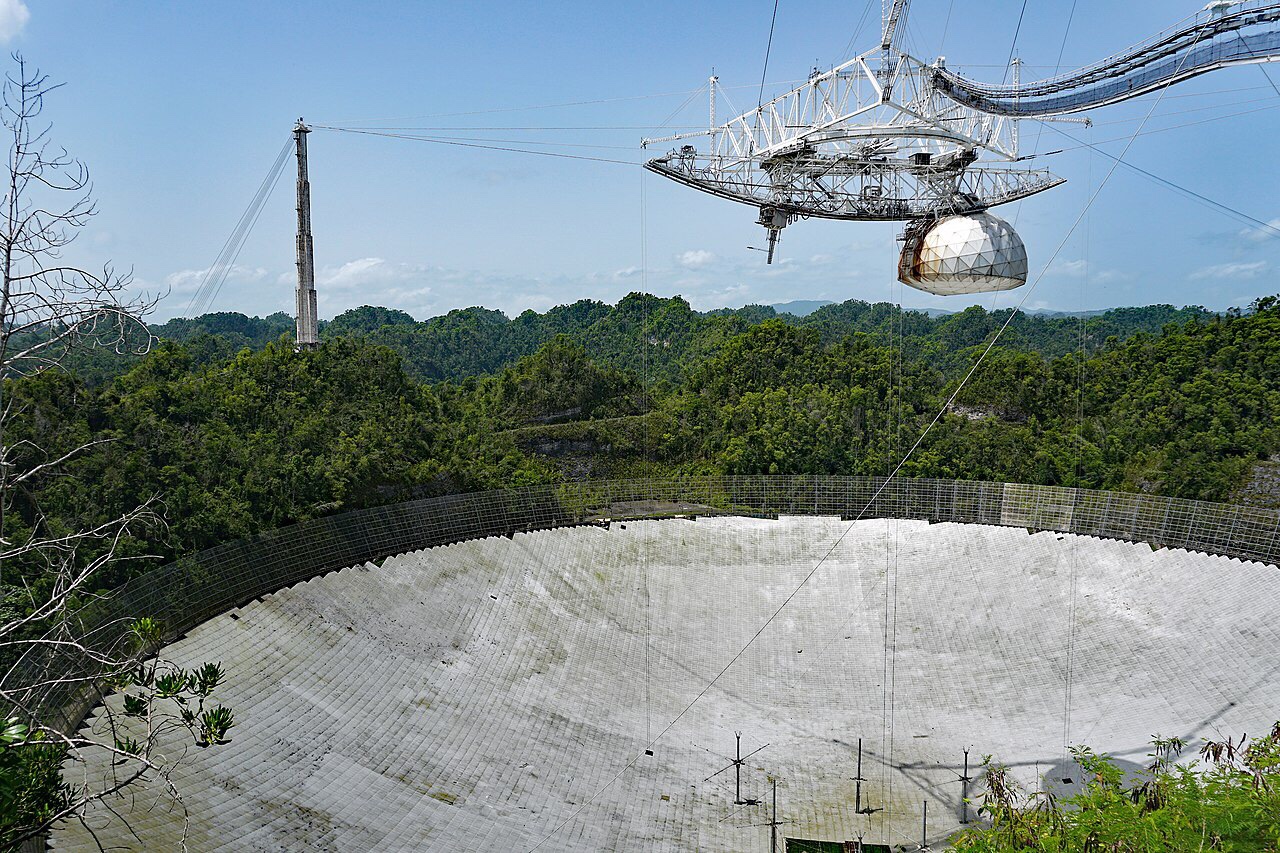
The U.S. Congress asked the National Science Foundation to file a report by February regarding the collapse of the Arecibo Radio Telescope. This has sparked some hope that the iconic telescope isn’t done yet. Activists have offered numerous suggestions as to how the telescope can make a comeback and the Governor or Puerto Rico has allotted $8 million towards it rehabilitation. As space.com observed, “Whether Congress will take up the suggestion remains to be seen, but Arecibo did appear in the fiscal year 2021 Consolidated Appropriations Act, released by Congress on Dec. 21, which includes the Commerce-Justice-Science (CJS) appropriations bill that funds the NSF. The act instructs the NSF to update Congress about Arecibo Observatory within 60 days.” As expectations are low, it would be nice to see the telescope up and running. More investment in Puerto Rico is long overdue anyway. https://bit.ly/3ouDsaV
Thanks for reading. Let’s be careful out there.


Leave a Reply