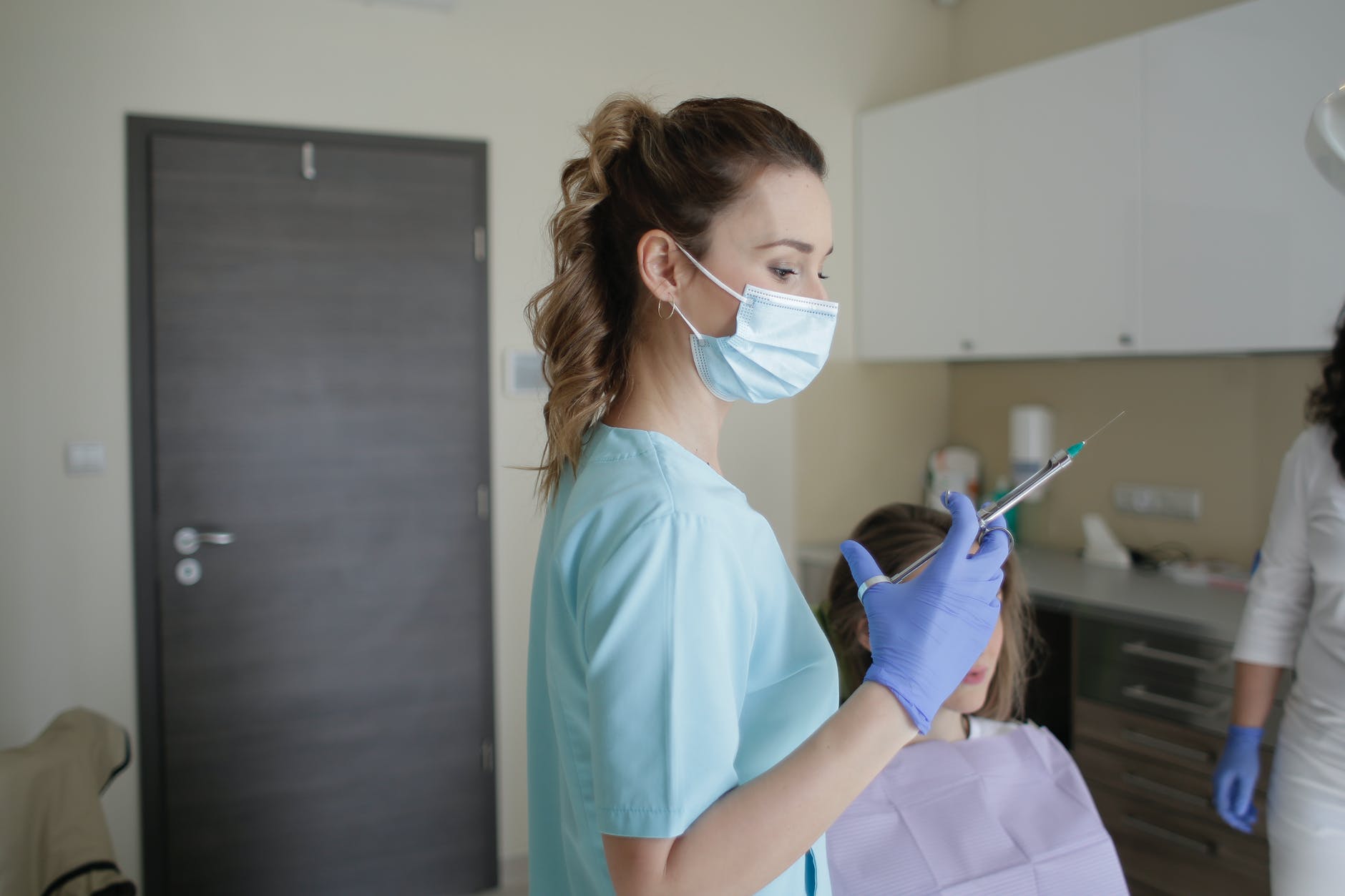
Another potential COVID-19 vaccine trial reported early results and, like last week’s Pfizer/BioNTech news, the data looks promising. Per the Associated Press, “Moderna’s vaccine, created with the National Institutes of Health, is being studied in 30,000 volunteers who received either the real vaccination or a dummy shot. On Sunday, an independent monitoring board broke the code to examine 95 infections that were recorded starting two weeks after volunteers’ second dose — and discovered all but five illnesses occurred in participants who got the placebo.” Unlike the Pfizer vaccine, the Moderna trial’s early data has been seen by researchers. However, it is still relatively early in the trial and the company warns that the data may be subject to minor changes. Unfortunately, the duration of protection proffered by both vaccines is still unknown. https://bit.ly/2UuNmeW
Public health officials have relied on COVID-19 models in order to advise government officials with respect to the disease’s potential trajectory. Unfortunately, simulations designed during the early, chaotic days of the first wave were often off the mark. Considering the circumstances, it’s understandable. In order to understand what happened to one particular model, a study was commissioned by the Royal Society to provide an after-action report. The group used a powerful supercomputer to re-examine CovidSim, a model developed by a group led by Neil Ferguson at Imperial College London. According to Nature, “The analysis, which has not yet been peer-reviewed, shows that because researchers didn’t appreciate how sensitive CovidSim was to small changes in its inputs, their results overestimated the extent to which a lockdown was likely to reduce deaths, says Peter Coveney, a chemist and computer scientist at University College London, who led the study.” Given the luxury of time, hopefully future models adjust accordingly. https://go.nature.com/36F3C2X
Science in the United States has gotten a rare vote of approval, at least during the last four years. It comes compliments of California’s voters. Per The Scientist, “California’s Proposition 14 has passed with 51 percent of votes, authorizing the state to issue $5.5 billion in bonds to give the California Institute for Regenerative Medicine a second lease on life.” $1.5 billion be allotted to projects developing therapies for neurological diseases such as Alzheimer’s, Parkinson’s, and dementia. https://bit.ly/2H5i6QK
So hot, it cools. That’s how a recent BBC Travel article defines the unique type of spiciness characteristic of actual Sichuan food. At the heart of the flavor lies a special type of peppercorn grown in the Chinese region. Per the BBC, “The seasoning’s English label is a misnomer, as the “peppercorns” are actually husks of dried berries from a type of prickly ash shrub. When you eat chillies, capsaicin induces a burning sensation known in Chinese as là. Sichuan peppercorns produce a phenomenon called paraesthesia, in which the lips and tongue feel as though they are vibrating and go vaguely numb – known as má. Together, the tandem combination of burning and numbing from these two ingredients is known in Chinese as málà, a hallmark of Sichuan cuisine that facilitates sweating – and thus creates a cooling effect that makes the sweltering climate more tolerable.” If you’ve never experienced it, you should try and find it. There’s nothing comparable. https://bbc.in/3lCVWEm
Thanks for reading. Let’s be careful out there.



Leave a Reply