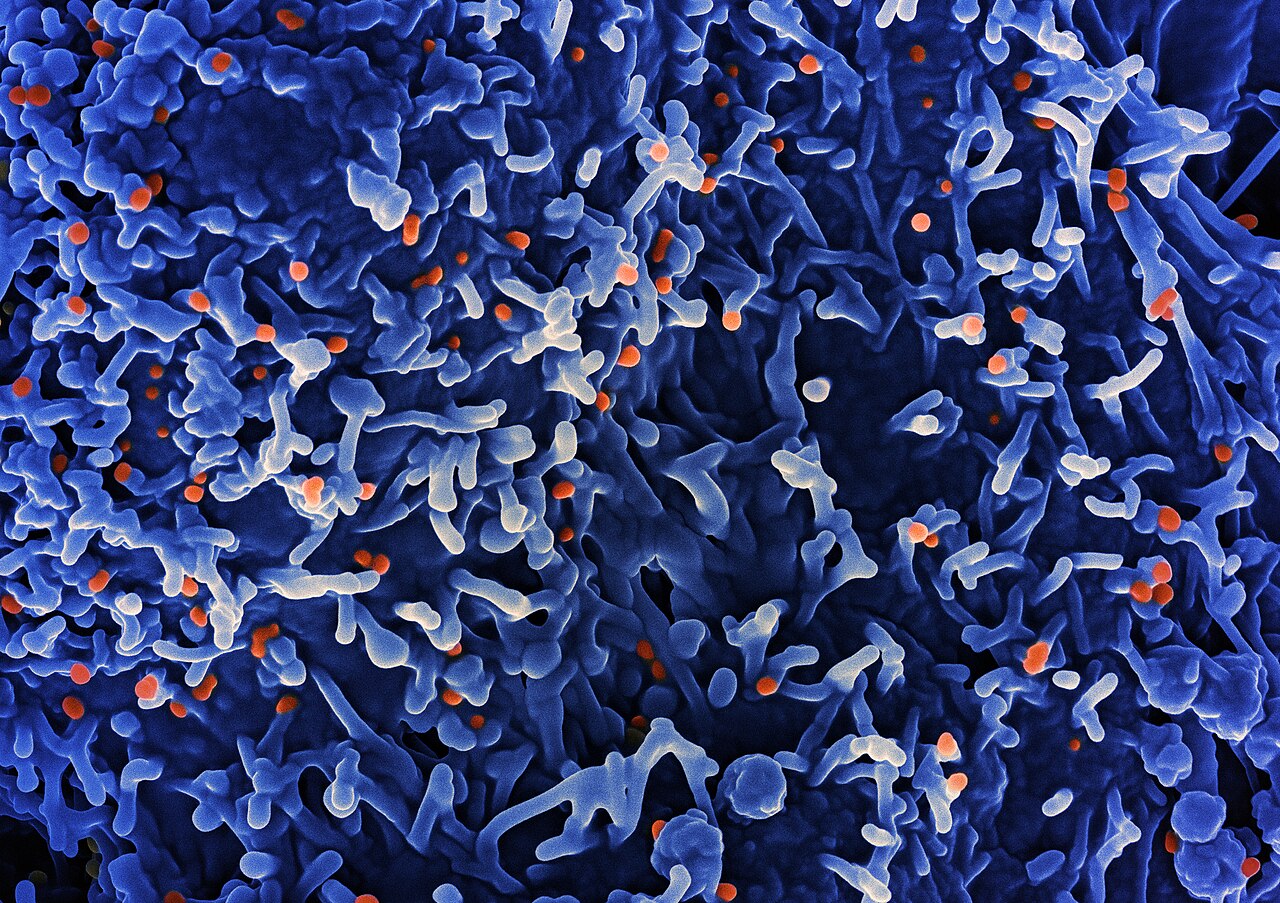
The mpox virus appears to be circulating silently in parts of Nigeria, in many cases without the symptoms typically associated with the disease, according to new research led by scientists from the University of Cambridge and partners in Nigeria. The findings may have implications for controlling the spread of the disease.
In a study published today in Nature Communications, researchers show that exposure to the mpox virus can occur without recognised illness, and that residual immunity from historic smallpox vaccination continues to shape how the virus spreads in human populations.
Mpox is a zoonotic virus – that is, one that initially jumped species to spread from animals to humans. It is closely related to smallpox. For decades, smallpox vaccination provided broad protection against related viruses such as mpox. Following the eradication of smallpox, routine vaccination stopped in 1980 and a growing proportion of the population lost this protection. This shift has been accompanied by renewed mpox transmission, culminating in outbreaks seen in multiple countries between 2022 and 2024.

While most public health attention has focused on symptomatic mpox cases, little is known about how often people may be exposed to the virus without developing classical disease.
To investigate this, the research team analysed archived blood samples from 176 healthy Nigerian adults who had originally been enrolled in SARS-CoV-2 vaccine studies. These included healthcare workers sampled in 2021 and community volunteers sampled in 2023. None of the participants had received mpox or smallpox vaccines in adulthood, and none were known to have been exposed to mpox.
Using a high-resolution multiplex antibody assay, the researchers measured responses to six distinct mpox virus antigens, different structural components of the virus that the immune system recognises and responds to, allowing detection of both the strength and breadth of immune responses.
At baseline, 24 (14%) of the participants showed antibody profiles consistent with residual immunity from historic smallpox vaccination. These responses were concentrated in people born before 1980, who were more likely to have been vaccinated during childhood. Their antibody responses were broader and stronger, recognising multiple mpox antigens decades after vaccination campaigns ended.
However, the study also identified something unexpected.
Among 153 participants with follow-up samples collected approximately nine months later, five individuals – around 3% of the cohort – showed clear evidence of new immune boosting consistent with recent mpox exposure. These individuals had no recorded mpox diagnosis and did not report compatible illness, suggesting that exposure may have occurred without recognised disease.
Lead author Dr Adam Abdullahi, from the University of Cambridge and Institute of Human Virology Nigeria, said: “What we’re seeing is evidence that mpox exposure doesn’t always look like the textbook description. In some people, particularly in settings with partial population immunity, the virus may circulate quietly, leaving immune footprints that routine clinical surveillance will miss.”
The strongest antibody increases were directed against specific viral proteins, particularly B6R, A35R and M1R – antigens known to be important targets of protective immune responses. These findings suggest that certain immune markers could be especially useful for detecting recent exposure in population studies.
To place the immunological findings in an epidemiological context, the team also analysed more than 100 mpox virus genomes collected in Nigeria over several years. Genomic reconstruction showed slow epidemic growth, frequent transmission dead-ends, and limited clustering – a pattern consistent with ongoing transmission constrained by partial immunity in the population.
Rather than explosive spread, the virus appears to persist through sporadic chains of infection, many of which fail to expand further.
Credit: NIAID




Leave a Reply