It starts, as all good obsessions do, with dirt. Not the clean, packaged kind—but the damp, loamy midnight version, humming with life and commerce. In the pitch-black fields of southwestern Ontario, under red-eyed headlamps, armies of stooping silhouettes gather nightcrawlers. They are Vietnamese immigrants, post-war arrivals, plucking worm after worm from manure-wet grass. The worms will travel—anonymously, writhingly—into bait buckets across the continent. Here’s capitalism at its most feral: anonymous labour in the service of anonymous appetites. The book’s great trick is showing us the miraculous mechanics of this micro-economy and making us care about the creatures and the people bent double to catch them.
From soil to sea, the narrative sails on. Maurice and Maralyn—two Britons with a shared allergy to suburban inertia—decide to swap the muted claustrophobia of land life for an open-horizon gamble. They spend years constructing their own vessel, the Auralyn, not so much a boat as an argument for a better existence. And for a while, it works. The salt wind delivers them into the kingdom of possibility—until a sperm whale, in a moment of cetacean absentmindedness, slams into their hull.
What follows is not so much a shipwreck as a slow-motion unravelling of human certainty. On a flimsy raft, adrift in the Pacific for 117 days, the couple faces a parade of intimate miseries: thirst, hunger, monotony, and the slow creep of despair. In another book, this would be the grim centre. Here, the tone—dry, amused, unsentimental—refuses to sink. We’re given the daily choreography of survival: Maralyn fashioning fishing hooks from safety pins, coaxing fluid from fish eyes, hacking at turtles with a calm that’s somehow both appalling and admirable. Maurice, meanwhile, drifts further into himself, a passenger not just on the raft but in his own life.
The writing (drawn from diaries, interviews, and the forensic eye of a journalist) understands that survival is as much about keeping the mind in one piece as it is about feeding the body. The rhythm of these pages mirrors the ocean—sometimes lulling, sometimes snapping you awake with the crack of a wave.
And yet, what elevates this beyond mere adventure tale is the postscript. Rescue is not a clean ending. There’s the strange afterlife of survival: press interviews, book deals, and the long shadow of shared trauma. The worm pickers return to their fields; the raft survivors return to land but find the solid ground oddly treacherous.
Read together, these stories—of muck and brine, of grit and improvisation—suggest something unfashionable but urgent: that the romance of risk is nothing without the reality of endurance. The soil, the sea, the night sky—they’re not backdrops, but indifferent co-stars. What matters is how the humans in the foreground face them, with bent backs, calloused hands, and the gall to keep going.
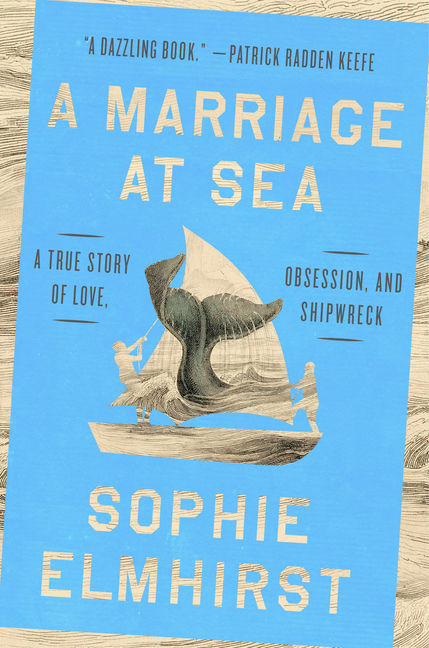
It starts, as all good obsessions do, with dirt. Not the clean, packaged kind—but the damp, loamy midnight version, humming with life and commerce. In the pitch-black fields of southwestern Ontario, under red-eyed headlamps, armies of stooping silhouettes gather nightcrawlers. They are Vietnamese immigrants, post-war arrivals, plucking worm after worm from manure-wet grass. The worms…
2–3 minutes


Leave a Reply