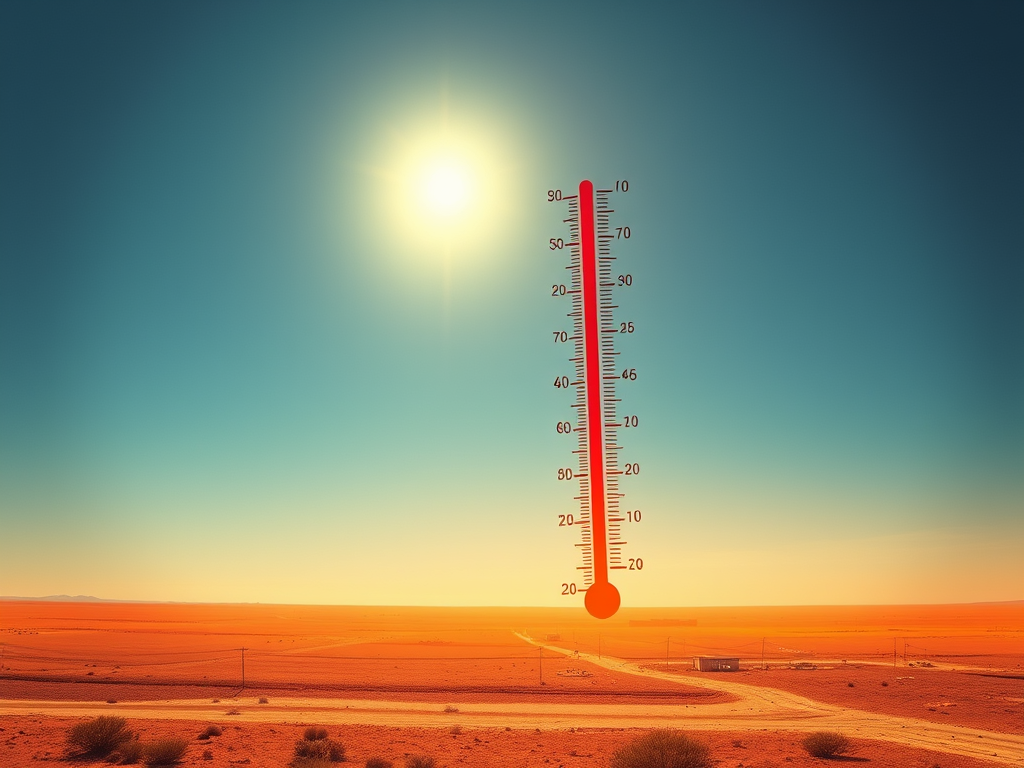
Potent Heat Dome Sends Triple-Digit Temperatures Across U.S.
A powerful heat dome parked over the U.S. has pushed temperatures into the triple digits, creating dangerous conditions across large swathes of the eastern half of the country. Record-high heat indices, often surpassing 100 °F, have triggered advisories in states ranging from the Midwest to the East Coast, with millions affected and vulnerable groups at heightened risk. Cooling centers and emergency measures have been activated in heat emergency zones. The dome’s persistence has stressed power grids, disrupted outdoor events, and intensified health threats. Meteorologists attribute this event to stalled high-pressure patterns trapping heat and humidity. Anticipated to weaken later in the week, the system may be supplanted by similar extreme heat outbreaks in the West. (CNN)
Stunning Debut of World’s Largest Camera at Rubin Observatory
The Vera C. Rubin Observatory in Chile has released its first images, signaling a leap forward in astronomical observation. These shots—captured during April’s commissioning phase—underscore the observatory’s cutting-edge 3,200-megapixel camera, the largest digital camera ever built. Astronomers have praised the combination of the telescope’s design and advanced imaging system, noting its potential to revolutionize wide-field sky surveys. Though specific celestial objects observed have not been detailed, the early performance exceeds expectations and bolsters confidence ahead of formal scientific operations. These test images mark a milestone in preparing a major facility aimed at unraveling cosmic mysteries on an unprecedented scale. (Nature)
Cultural Background Alters Visual Perception, Study Finds
A new study demonstrates that cultural upbringing shapes fundamental visual perception: individuals from the Himba tribe in Namibia are less susceptible to the Müller-Lyer optical illusion than those in Western nations. The illusion—a pair of lines with inward or outward arrowheads—typically tricks many viewers into misjudging length. Himba participants, however, perceive the lines accurately, suggesting that visual processing is influenced by cultural and environmental context. Researchers conclude that perceptual experiences learned through cultural immersion affect how people interpret visual cues, challenging the notion that such illusions stem from universally wired visual systems. (Science)
AI Computing Boom Deepens Global Divide
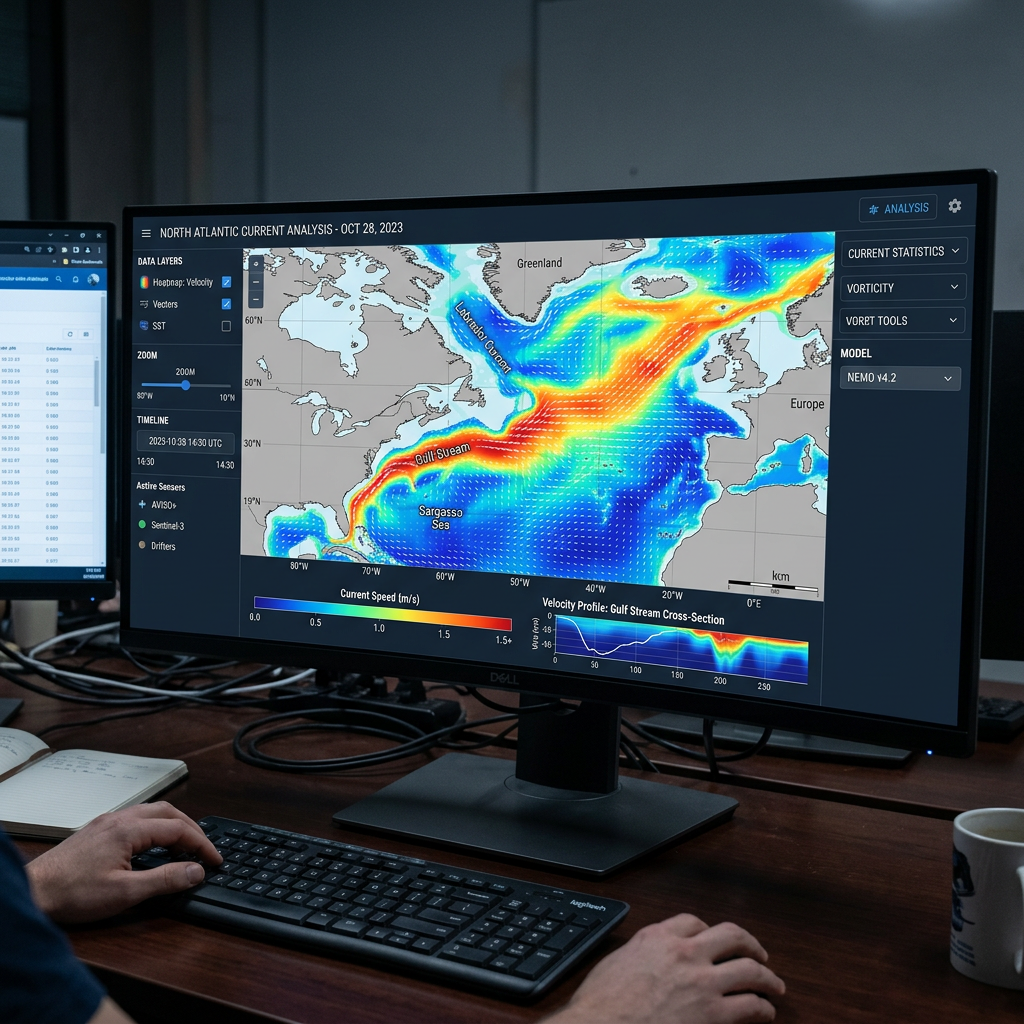
The interactive New York Times piece reveals how rapid advancements in AI are widening the global digital divide. Cutting-edge nations race ahead with investment in AI-optimized compute infrastructure—massive GPUs and data centers—while many low- and middle-income countries lag behind due to limited access and underdeveloped digital ecosystems. The disparity threatens to amplify existing socioeconomic gaps, as AI proves central to economic growth and strategic tech positioning. The article maps computing power distribution and underscores that without collaborative international efforts or policy interventions, these imbalances could cement a new era of digital inequality. (New York Times)

Social Influence Rooted in Network Awareness
A year‑long study of 187 first‑year students reveals that social influence depends more on knowing social connections than on sheer popularity. By tracking friendships and peer influence over an academic year, researchers discovered that those who later emerged as influential weren’t initially the most popular but those with early insights into how peer groups were connected. Influence shifted notably through the year, while popularity remained stable. The conclusion: understanding who is friends with whom and being aware of social clustering predict influence growth better than having many friends. (The Guardian)
Lunar Dust Less Hazardous Than Urban Air, Study Shows
Lab experiments comparing lunar dust simulants with urban air pollution particles reveal that simulated lunar dust, while physically irritating, causes significantly less cellular damage and inflammation in human lung cells. The research, published in Life Sciences in Space Research, suggests that lunar dust’s coarse nature means lower aerosolization and toxicity compared to fine particulate matter from city air. Though precautions remain necessary for lunar missions, this finding offers some reassurance for astronaut health risks related to lunar dust exposure. (Space Daily)
Pentagon Faces Hurdles Creating Unified Military Sat‑Com Network
The Pentagon aims to establish an enterprise satcom system—a software-defined, internet-like network that seamlessly connects various satellite communications. However, officials admit the project is still far from realization. Integration challenges persist due to fragmented legacy systems, interoperability issues across military branches, and misaligned acquisition practices. Program managers are grappling with outdated IT paradigms—stockpiling outdated hardware to ensure uniformity—rather than adopting adaptive, modern network infrastructure. Progress is ongoing, but experts caution significant structural and workflow reforms are necessary before the vision can be fulfilled. (Space News)
Japanese Lander Crash Site Photographed by Lunar Orbiter
NASA’s Lunar Reconnaissance Orbiter has captured images of the crash site of Japan’s ispace-operated lunar lander, Resilience. The spacecraft impacted in the Moon’s northern Mare Frigoris two weeks before image release. Photos show a dark smudge surrounded by disturbed regolith, marking the lander and rover debris. This marks ispace’s second lunar mission failure in two years; company officials are scheduled to hold a press briefing to discuss possible causes. (AP)
Unexpected Signals from Antarctica Challenge Neutrino Observations
Researchers have detected anomalous radio signals coming from approximately 25 miles above Antarctica, observed by the ANITA balloon-borne antenna. These pulses appear to emerge from below the ice sheet at steep angles, inconsistent with known neutrino behavior. Similar mysterious signals have been detected in 2006 and 2014 but remain unexplained. Hypotheses range from unknown propagation phenomena to rare cosmic events like supernova remnants. The signals defy conventional physics predictions and continue to puzzle scientists planning future missions to gather more data. (CNN)
Thanks for reading. Let’s be careful out there.
WORDS: The Biology Guy.

Leave a Reply