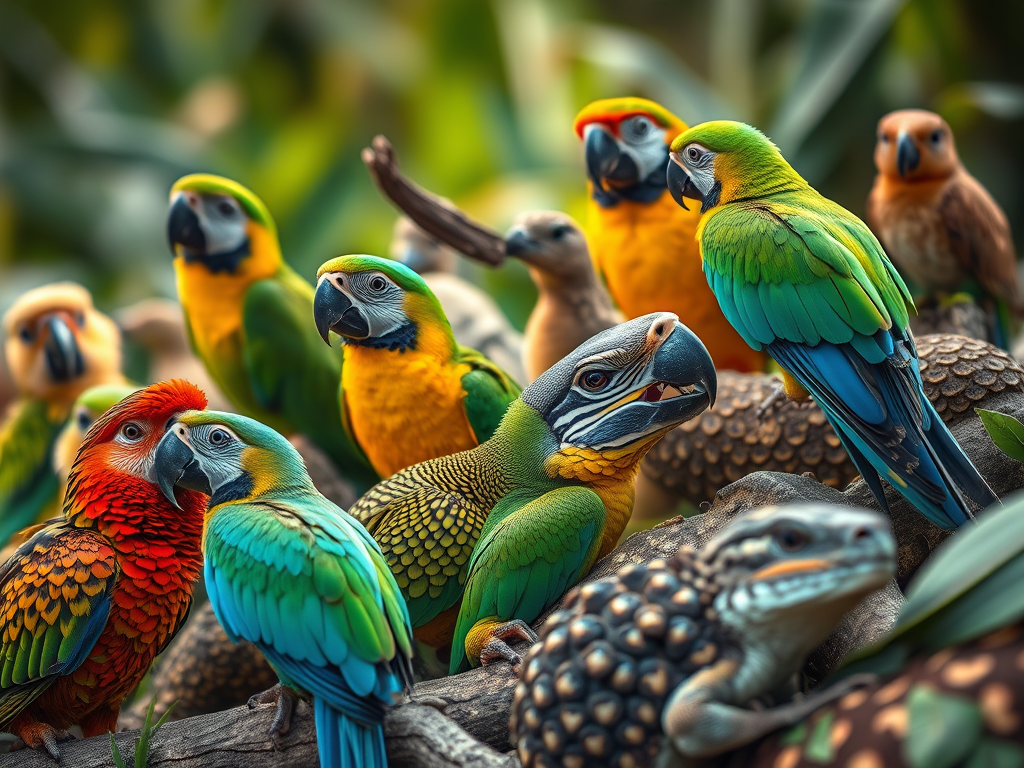
International research involving the University of Adelaide has found almost 30,000 wild species have been traded in the United States, according to data captured by US wildlife trade monitoring organisation Law Enforcement Manage Information System.
Led by the University of Hong Kong, the study examined trade data captured over 22 years, during which time more than 2.85 billion individuals were traded. Fifty per cent of these individuals were taxa sourced from the wild.
“The United States is one of the world’s largest wildlife importers and is unique in documenting trade in species not covered by international regulation,” says Freyja Watters, a PhD student at the University of Adelaide’s Wildlife Crime Research Hub.
“We uncovered tens of thousands of wild species and billions of individual animals entering trade, most without any global oversight.”
Published in PNAS, the study also found that less than 0.01 per cent of the wildlife trade was illegal, highlighting the need for law reform to better protect more species not covered by law or regulation.
“Current international regulations focus on only a fraction of wildlife, often biased toward charismatic species. Although most of this trade is legal, the majority of species are not subject to assessments ensuring sustainable harvest,” says Watters.
“This reveals a major gap in our ability to measure the true impact of wildlife trade and underscores the need for stronger global monitoring and management.”
While the US is one of the world’s largest wildlife traders, it is a global problem. Wildlife trade represents one of the greatest threats to the survival of myriad species, with an Intergovernmental Science-Policy Platform on Biodiversity and Ecosystem Services assessment stating there are 50,000 species in trade around the world.
“While we can monitor the number of species and individuals coming into the US, comparable data is not available for anywhere else in the world,” says Dr Alice Catherine Hughes, from the University of Hong Kong, who led the study.
“For most species in trade, as we have no data on offtake or wild populations, we cannot assess sustainability of that trade. However, where assessments have been made, the majority of populations where harvest was occurring have shown declines.
Sign up for the Daily Dose Newsletter and get every morning’s best science news from around the web delivered straight to your inbox? It’s easy like Sunday morning.
“This research has advanced our understanding of trade, and the codes developed will also enable the standardisation and analysis of further trade data.
“But we have also highlighted how little is known about what makes up wildlife trade, showing that the lack of systematic monitoring undermines any ability to understand or monitor trade, precluding any opportunity to manage it sustainably.”
Additional research on global wildlife trade will be published in the coming months.
“We hope that our ongoing research will encourage nations to assess how their wildlife trade data is recorded and shared, as without more comparable global data we cannot assess the impact of trade on the majority of traded species,” says Professor Phill Cassey, Director of the University of Adelaide’s Wildlife Crime Research Hub.


Leave a Reply