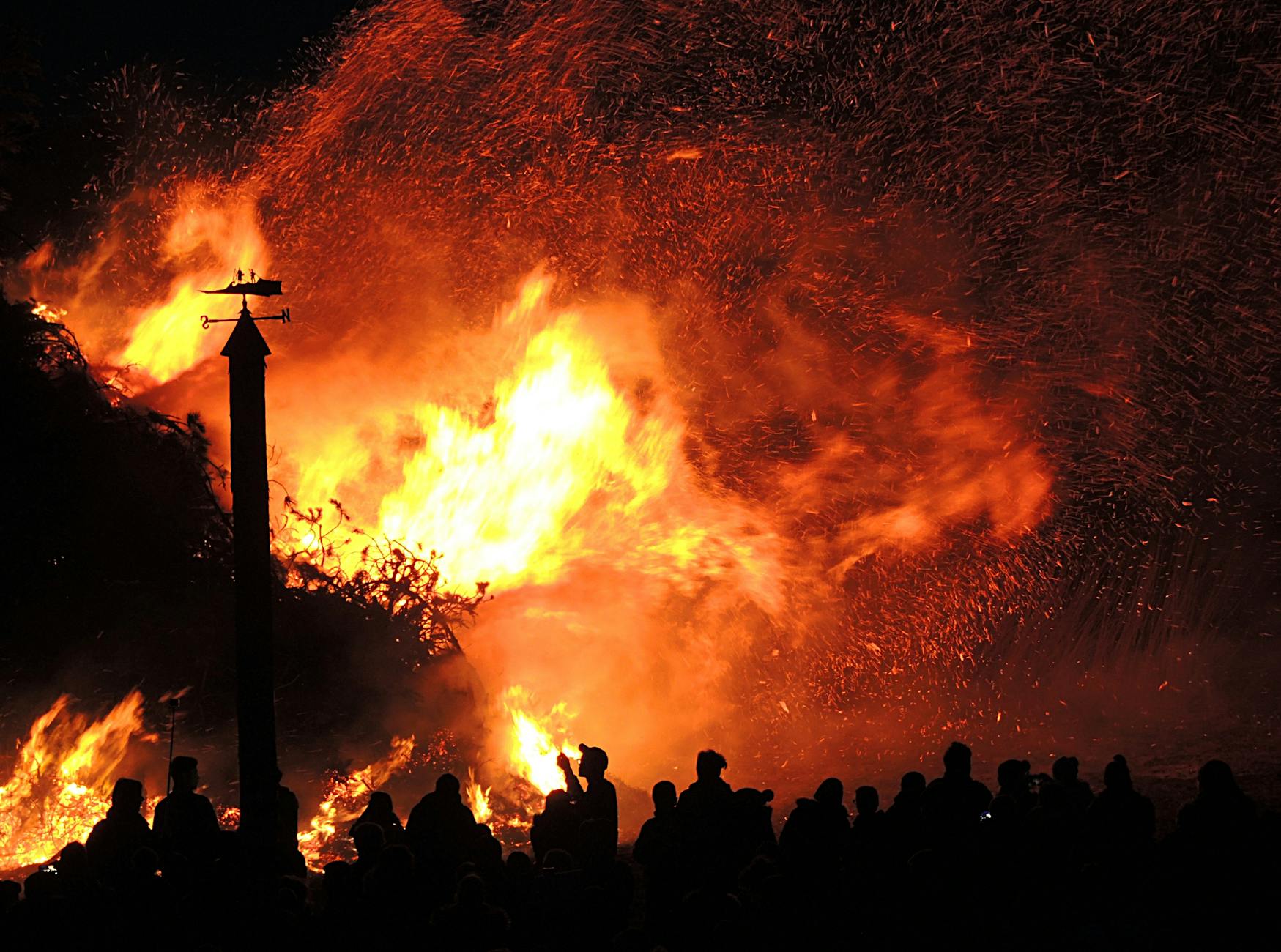
Around 1.5 million deaths per year globally were associated with health impacts from air pollution caused by landscape fires between 2000 and 2019, according to a study recently published in The Lancet. The study highlights notable geographical and socioeconomic disparities in these health impacts, revealing that over 90% of these deaths occurred in low-and middle-income countries.
Landscape fires are fires that occur in natural and cultural landscapes, including both wildfires and human-planned fires. While these fires can result in direct fatalities, the majority of deaths associated with them stem from the air pollution they generate, which contributes to long-term health issues such as cardiovascular and respiratory diseases.
The study is the largest and most comprehensive assessment to date of the health risks associated with air pollution from landscape fires. It found an increasing number of global cardiovascular deaths associated with this pollution with approximately 450,000 deaths per year attributed to cardiovascular disease, and 220,000 deaths attributable to respiratory disease. However, the authors emphasise the need for further research to fully understand the broader impacts of these health risks on overall human health and well-being.
Sign up for the Daily Dose Newsletter and get every morning’s best science news from around the web delivered straight to your inbox? It’s easy like Sunday morning.
The authors call for urgent action to mitigate the substantial health impacts of air pollution from landscape fires, particularly as climate change continues to increase in intensity. They advocate for addressing the socioeconomic disparities in mortality rates by providing financial and technological support from high-income countries to help more vulnerable developing countries, along with climate mitigation and adaptation policies, to manage the health impacts of landscape fire-related air pollution.
Landscape fires have become an increasingly critical issue as climate change intensifies their frequency, scale, and duration. Factors such as rising global temperatures, prolonged droughts, and deforestation have contributed to more frequent and severe fires in regions like the Amazon, Southeast Asia, and Sub-Saharan Africa. These fires not only devastate ecosystems and biodiversity but also exacerbate existing health inequities. Vulnerable populations, particularly in low-and middle-income countries, often lack access to healthcare systems capable of managing the widespread respiratory and cardiovascular conditions linked to air pollution from such fires. The interplay of these environmental and social factors underscores the complex challenge of addressing the health impacts of landscape fires on a global scale.
IMAGE CREDIT: Pixabay.


Leave a Reply