
SOCIOECONOMIC STATUS GAPS DRIVE ACHIEVEMENT DISPARITIES AMONG STUDENTS OF COLOR
A new report reveals that gaps in academic achievement between white, Black, and Hispanic students in elementary school are primarily linked to family socioeconomic status (SES). Students from families with similar economic resources and educational backgrounds, regardless of race or ethnicity, achieved similarly. The study examined 11 SES factors, including income, parental education, and employment, and followed two groups of children from kindergarten through fifth grade. It found that the achievement gaps between Black and white students, and Hispanic and white students, were smaller when families had similar income and educational levels. However, students from lower SES backgrounds, particularly Black and Hispanic students, were already behind by first grade. The gaps persisted throughout elementary school, with SES explaining up to 77% of the achievement differences. Addressing these gaps could improve economic and educational opportunities, with policies such as expanded early education and financial assistance for low-income families. Further research is needed on other contributing factors. (The Conversation)
TOMATOES SWEETER THAN EVER THANKS TO GENE EDITING
A study published in Nature reveals that editing just two genes in tomatoes can significantly improve their sweetness. By deleting these genes, researchers increased the glucose and fructose levels in the fruit by up to 30%, compared to mass-produced tomatoes. The gene-edited tomatoes maintain the same weight and yield as current varieties, potentially improving tomato quality globally. This advancement also sheds light on how fruits produce and store sugar. The study highlights the potential of using genetic diversity from wild tomato species to enhance modern varieties. Cultivated tomatoes are typically larger but less sweet due to human selection for size, making them flavorless. The research, led by Jinzhe Zhang, used CRISPR-Cas9 technology to deactivate two genes responsible for sugar degradation, resulting in much sweeter fruit. This discovery could also reduce the energy and cost of producing products like tomato paste and might be applicable to other crops. (Nature)
CLIMATE ACTION INSUFFICIENT AS EMISSIONS KEEP RISING GLOBALLY
A new report by the Climate Action Tracker reveals that global progress in reducing greenhouse gas emissions has been minimal, keeping the planet on track for a 2.7°C rise in temperature by 2100. Despite efforts like the U.S. Inflation Reduction Act and China’s surge in electric vehicle sales, global energy demand is growing faster than clean energy, resulting in increased fossil fuel use. Climate policies, including pledges to reach net-zero emissions by midcentury, are insufficient without concrete action. The report estimates that the U.S. would need to cut emissions by 80% by 2035 to stay on track for the 1.5°C goal, a target now considered increasingly unlikely. While some scientists argue that surpassing 1.5°C is inevitable, they stress that efforts to reduce emissions should continue. Acknowledging this reality, they advocate for finding new paths forward rather than clinging to an unrealistic temperature limit. (New York Times)
CANADA CALLS FOR HALT TO RESEARCH WITH CHINA OVER SECURITY CONCERNS
A Canadian parliamentary committee has recommended an immediate halt to all government-funded research collaborations with China in sensitive technology areas, citing concerns over national security and espionage. The recommendation, which calls for broader restrictions than current policies, was prompted by security breaches at Canada’s National Microbiology Laboratory, including a 2019 incident involving two Chinese Canadian researchers. The new policy would prevent Canadian researchers from collaborating with Chinese entities in fields like AI, aerospace, quantum science, and biotechnology, and prohibit participation in China’s Thousand Talents program. Experts argue that China’s growing military and scientific influence poses a significant risk to Canadian research. While some academics support the expansion of restrictions, others warn that the government’s focus on economic ties with China may prevent full implementation. The Canadian government, which has until March 2025 to respond, emphasizes that the policy is not aimed at discriminating against specific countries but protecting against security threats. (Science)

LONG COVID REMAINS A CHRONIC STRUGGLE DESPITE EFFORTS
Wachuka Gichohi, a Kenyan businesswoman living with long COVID, reflects on how well-intentioned phrases like “Feel better soon” are painful reminders of her ongoing struggle. Studies show that the longer someone has long COVID, the lower their chances of full recovery. Recovery is most likely within six months of infection, especially for those with less severe initial symptoms or who are vaccinated. For those suffering for over two years, the chances of full recovery are slim, according to research from the UK and US. Long COVID, defined as symptoms persisting for more than three months, can cause debilitating fatigue, pain, and brain fog, among other symptoms. While some patients experience partial recovery or remission, many face ongoing disability. Research funding has slowed in wealthy countries, while lower-income nations have had limited resources for long COVID. Experts suggest viewing long COVID as a chronic condition that can be managed rather than cured. (Reuters)
HIDDEN DATA IN AMGEN TRIAL CAUSES $12 BILLION LOSS
A hidden tab in an Excel spreadsheet from Amgen’s phase 1 trial of its obesity drug, MariTide, has caused a $12 billion drop in the company’s market cap. The tab, which was not initially mentioned in the published data or visible spreadsheets, contains bone density changes in patients who received the drug. An analyst at Cantor Fitzgerald discovered the data, which indicated potential bone density loss, especially among patients on the highest dose. This led to a 7% drop in Amgen’s share price. However, other analysts, including Michael Yee from Jefferies, downplayed the concern, calling the data inconsistent. Amgen responded by stating it does not believe there is any link between MariTide and bone mineral density changes, and emphasized that the phase 1 results do not indicate bone safety risks. After investors had time to review the data, Amgen’s stock rebounded slightly, regaining some of the losses. (Fierce Biotech)
FIREFIGHTERS BATTLING BRUSH FIRE IN INWOOD HILL PARK
Dozens of firefighters battled a brush fire in Inwood Hill Park, located at the northern tip of Manhattan, on Wednesday. The fire, which spread quickly across a large area, followed similar fires in Brooklyn, the Bronx, and New Jersey that had recently blanketed New York City in smoke. Around 60 emergency responders, including drones and specialized units, were deployed to the scene. The cause of the fire was unclear, though it did not appear suspicious. Firefighters received the call around 2:30 p.m. as large clouds of orange and yellow smoke rose into the sky, prompting officials to advise nearby residents to close their windows. The fire in Inwood Hill Park is part of an unusual spike in brush fires in the region, fueled by dry conditions and gusty winds. Governor Kathy Hochul announced a burn ban across the state, urging water conservation. Local residents, like Lilith Ben-Or and Julio Núñez, expressed concern over the devastation to the park, a cherished space in the community. (New York Times)
FIREWORKS LINKED TO DEATH OF BABY RED PANDA ROXIE
The Royal Zoological Society of Scotland (RZSS) has linked the death of a baby red panda, Roxie, to fireworks on Bonfire Night. Roxie, just three months old, reportedly choked on her vomit, which vets believe was a result of stress caused by nearby fireworks. RZSS deputy chief executive Ben Supple called for stricter firework regulations, echoing calls from animal welfare charities for a ban on public sales of fireworks due to the distress they cause to pets, livestock, and zoo animals. A petition with over 1 million signatures supporting tighter restrictions on fireworks has been delivered to Downing Street. While fireworks are banned between 11 p.m. and 7 a.m. under UK law, exceptions are made for certain holidays. Supple advocated for organized displays only, expressing concerns that even with reduced decibel levels, fireworks still disturb zoo animals. Scottish officials have responded by creating firework control zones, but the issue remains largely under the UK government’s jurisdiction. (The Guardian)
LEONID METEOR SHOWER PEAKS BUT MOON OBSCURES VIEWING
The Leonid meteor shower peaks this weekend, but a nearly full moon will likely obscure all but the brightest meteors in most locations. Known for high-speed meteors traveling up to 44 miles per second, the Leonids may produce about 15 visible meteors per hour under ideal conditions. However, this year’s peak on Sunday coincides with a 98% full moon, which will affect viewing. To improve visibility, it’s best to watch during the early morning when the moon is lower in the sky. Meteor showers, including the Leonids, are caused by space debris, often from comets, entering Earth’s atmosphere and burning up, leaving fiery trails behind. To view meteor showers, it’s best to go to dark, cloudless locations and avoid phone screens to help your eyes adjust. The next major meteor shower, the Geminids, will peak in mid-December. (AP)
Thanks for reading. Let’s be careful out there.
WORDS: The Biology Guy.
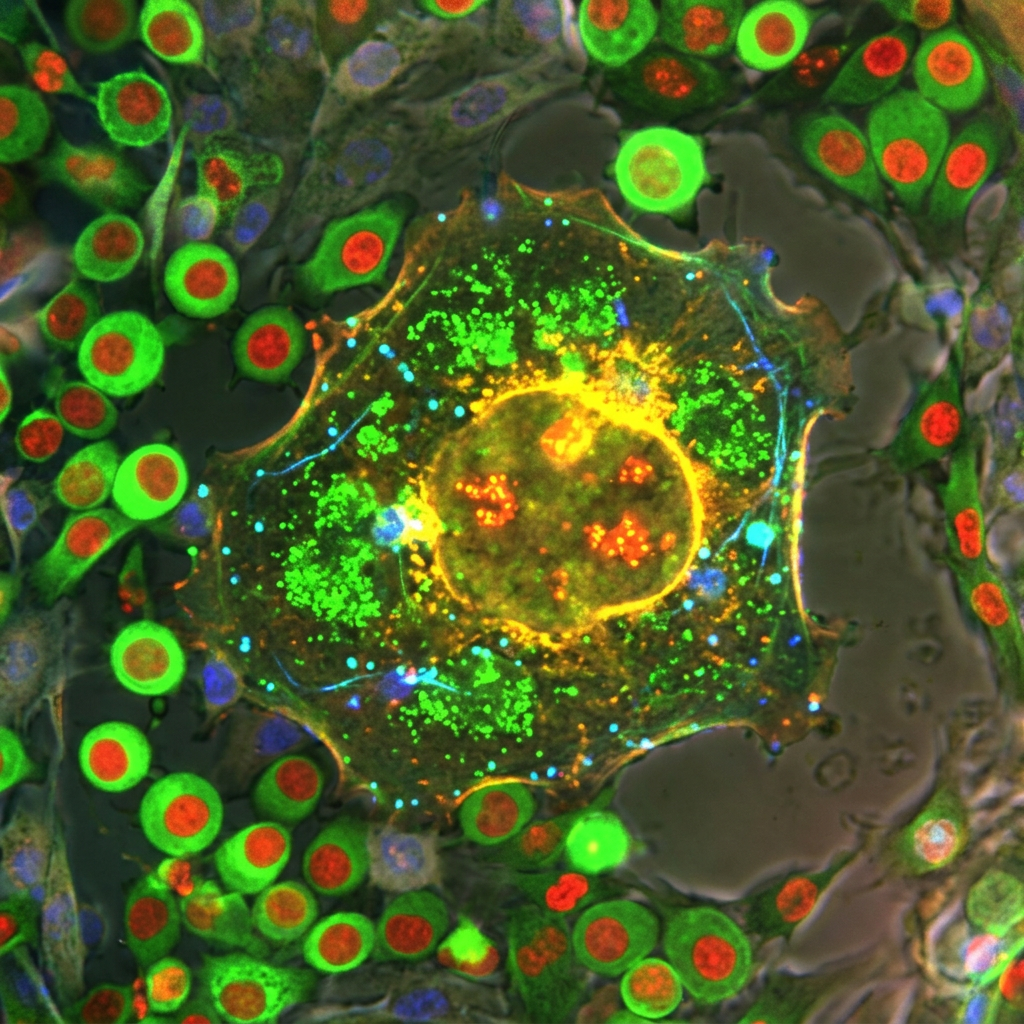
IMAGE CREDIT: Pragyan Bezbaruah.



Leave a Reply