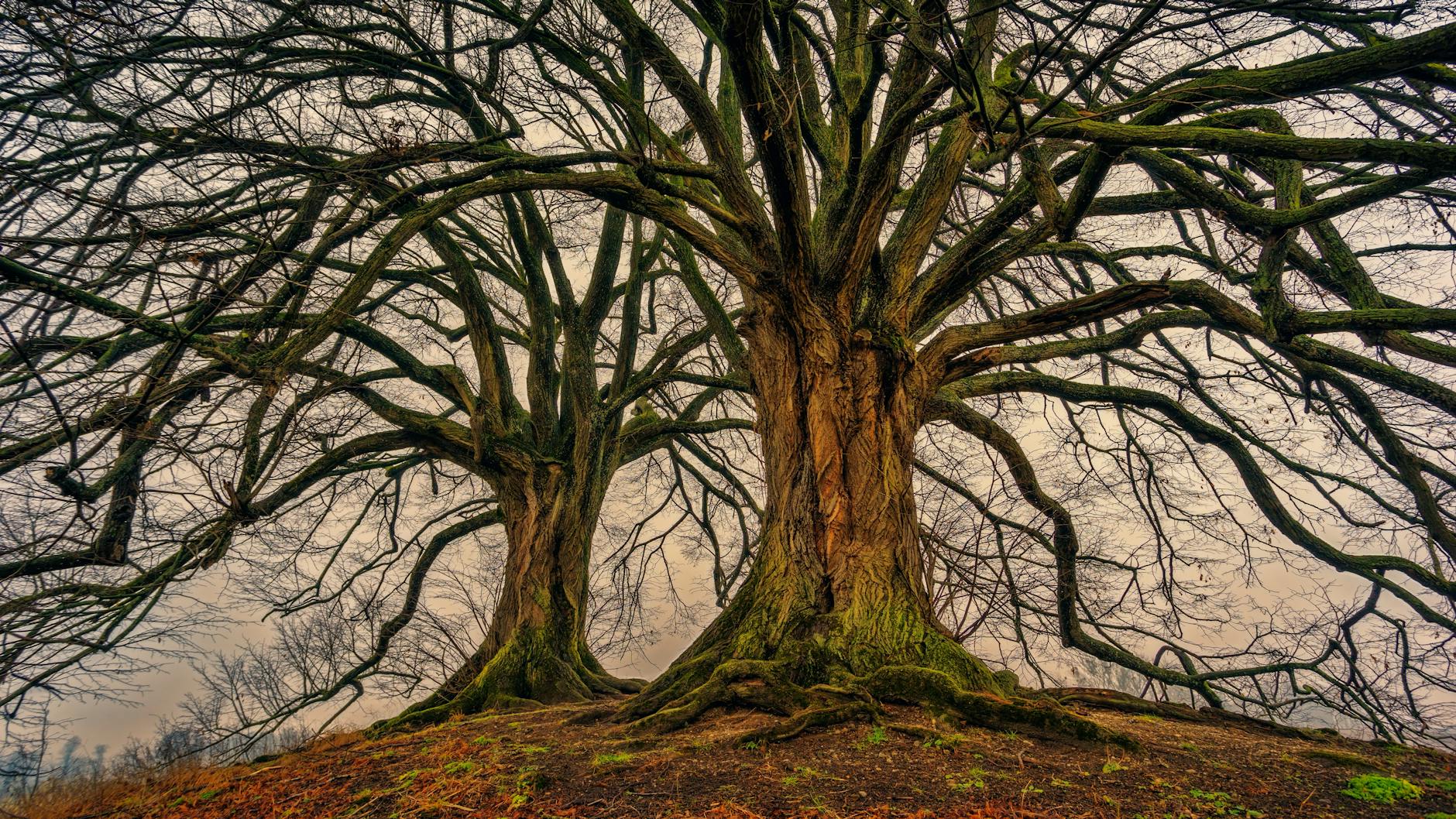
Seven of the most common forest trees in Europe have been shown to be able to shelter their genetic diversity from major shifts in environmental conditions. This is despite their ranges having shrunk and the number of trees having fallen sharply during ice age cycles. These are the findings of a study by a European consortium including Uppsala University, published in Nature Communications.
“From a biodiversity perspective, this is very positive because these trees are keystone species on which many other species depend,” says Pascal Milesi, Associate Professor of Plant Ecology and Evolution at Uppsala University and first author of the study.
The researchers aimed to investigate how the genetic diversity of tree species was affected by the ice age cycles. Trees have lived through warm and cold periods. During the last ice age, about 10,000 years ago, the range of trees was greatly reduced. Scientists therefore thought that genetic diversity would be low. However, it turned out to be just the opposite – the species had high genetic diversity and were thus resilient to the drastic changes in their habitat.
“We believe the reason for this high genetic diversity is related to the way these tree species survived through the ice ages and to fact that tree pollen can travel thousands of kilometres, bringing together trees that grow far apart. This is a welcome sign. The evolutionary processes that were at play in the past may also be useful to cope with today’s rapid climate change,” Milesi says.
Together with scientists from 22 European research institutes, he studied seven species of forest trees common in Europe, collecting needles and leaves from around 3,500 trees in 164 different populations across Europe. Their DNA was then extracted and analysed.
“Contrary to what was long thought, the ice age cycles had little impact on the genetic diversity of these seven key species. This is mainly explained by a combination of unique characteristics, namely long generation time and the ability of their pollen to spread thousands of kilometres,” says Milesi.
Sign up for the Daily Dose Newsletter and get every morning’s best science news from around the web delivered straight to your inbox? It’s easy like Sunday morning.
In Sweden, the study focused on Norway spruce, Scots pine and silver birch, which together make up most of the Swedish forest and are important for other life forms. They also account for most of the timber in Swedish forestry, which means they are significant for the economy and society.
“Due to the sixth mass extinction event and the ongoing biodiversity crisis, people can easily get the feeling that it is too late and be ready to give up. This study sends a positive signal about our forest and provides important information to help manage forest biodiversity in the face of climate change,” Milesi concludes.
The species studied are: Fagus sylvatica (European beech), Pinus pinaster (Maritime pine), Quercus petraea (Sessile oak), Betula pendula (Silver birch), Pinus sylvestris (Scots pine), Picea abies (Norway spruce) and Populus nigra (Black poplar).
IMAGE CREDIT: Johannes Plenio.




Leave a Reply