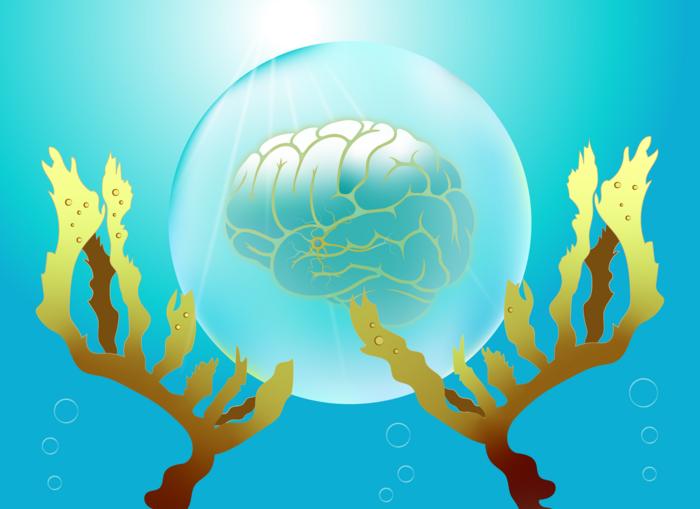
Parkinson’s disease is a neurodegenerative disease caused by the loss of neurons that produce dopamine, a neurotransmitter involved in motor control and cognitive function. As the global population ages, the number of Parkinson’s disease patients is rapidly increasing. Parkinson’s disease is induced by neuronal damage due to excessive production of reactive oxygen species.
Suppression of reactive oxygen species generation is essential because it is fatal to dopaminergic neurons that manage dopamine neurotransmitters. Currently, only symptomatic treatment is available, so the development of treatment regimens and prevention methods is necessary.
Fortunately, Associate Professor Akiko Kojima-Yuasa of Osaka Metropolitan University’s Graduate School of Human Life and Ecology led a research group that has verified the physiological effect of Ecklonia cava polyphenols, seaweed antioxidants, on the prevention of Parkinson’s disease.

In this study, two types of motor function tests were conducted using Parkinson’s disease model mice that were orally fed the antioxidants daily for one week and then administered rotenone. Results showed that motor function, which was decreased by rotenone, was restored. There was also improvement in intestinal motor function and the colon mucosa structure, a special tissue that covers the colon.
Further, cellular experiments using Parkinson’s disease model cells verified the biochemical interaction of the preventive effect of Ecklonia cava. Validation results showed that the antioxidants activate the AMPK enzyme (adenosine monophosphate-activated protein kinase), an intracellular energy sensor, and inhibit the production of reactive oxygen species that cause neuronal cell death.
Sign up for the Daily Dose Newsletter and get every morning’s best science news from around the web delivered straight to your inbox? It’s easy like Sunday morning.
“This study suggests that Ecklonia cava antioxidants may reduce neuronal damage by AMPK activation and inhibiting intracellular reactive oxygen species production,” stated Professor Kojima-Yuasa. “It is hoped that Ecklonia cava will be an effective ingredient in the prevention of Parkinson’s disease.”
IMAGE CREDIT: Osaka Metropolitan University
If you enjoy the content we create and would like to support us, please consider becoming a patron on Patreon! By joining our community, you’ll gain access to exclusive perks such as early access to our latest content, behind-the-scenes updates, and the ability to submit questions and suggest topics for us to cover. Your support will enable us to continue creating high-quality content and reach a wider audience.
Join us on Patreon today and let’s work together to create more amazing content! https://www.patreon.com/ScientificInquirer


Leave a Reply