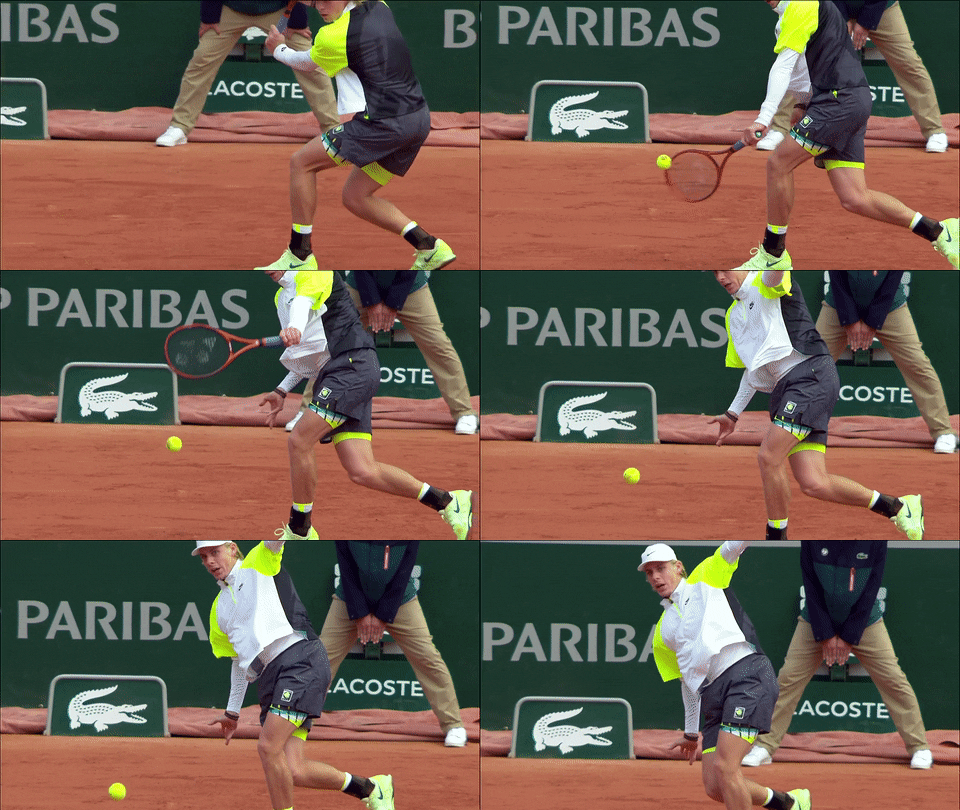
Calf strains can really cramp your style as a tennis player. Every quick sprint, sharp pivot, and powerful push-off relies on your calf muscles to move you swiftly across the court. When those muscles get strained, even simple movements can feel painful, affecting your footwork and agility. In this guide, we’ll dive into everything you need to know about calf strains: which muscles are impacted, how to prevent and treat these injuries, and the best ways to recover and return to the game. Plus, we’ll discuss the role of professional guidance to help you rehabilitate effectively. Whether you’re currently dealing with calf pain or just want to keep your legs ready for your next match, this guide will help keep you playing at your best!
Affected Anatomy
A calf strain impacts the muscles at the back of your lower leg, particularly the gastrocnemius and soleus muscles. The gastrocnemius, with its two bulky heads, is the larger and more visible muscle, while the soleus lies beneath. Together, they form the calf, which powers movements like jumping, sprinting, and pushing off your toes.
Prevention
Prevent calf strains by keeping these muscles flexible and strong. Stretch your calves daily, especially before and after physical activity. Warm up properly, and increase your training intensity gradually. Wearing proper footwear with good arch support and cross-training to give your calves variety can also help reduce the risk.
Under the Hood
A calf strain happens when these muscles are overstretched or overloaded, causing microtears. This can result from sudden bursts of activity, like sprinting or jumping, especially if your muscles aren’t warmed up properly. Fatigue or pushing through tightness can also contribute to overstressing the calf.

Symptoms and Diagnosis
You’ll likely feel sudden pain at the back of your lower leg, sometimes described as a sharp pull or snap. The area might swell, bruise, or feel tender, and you may struggle to walk normally or stand on your toes. A doctor will check for pain during a physical exam and may use imaging like ultrasound or MRI to confirm the extent of the strain.
Treatment
Initial treatment involves rest to allow healing. Apply ice to reduce swelling and inflammation, and use compression and elevation to minimize bruising. Over-the-counter anti-inflammatory medications can help with pain. Gentle stretching can prevent stiffness, while a brace or crutches can support more severe cases. Physical therapy is key to restoring strength and flexibility.

Rehabilitation and Recovery
Rehabilitation involves stretching and strengthening the calf muscles. Start with gentle range-of-motion exercises, then move on to progressive strengthening with resistance bands or eccentric heel drops. Focus on proper form and gradually increase intensity. Recovery time varies based on the severity but generally ranges from a couple of weeks to a few months.
The Role of Professional Guidance
A physical therapist or sports medicine specialist can develop a personalized rehab plan tailored to your injury and activity level. They’ll guide you through the right exercises at each stage of recovery, helping you progress safely and effectively. Their expertise ensures a smooth return to your favorite activities while reducing the risk of reinjury.



Leave a Reply