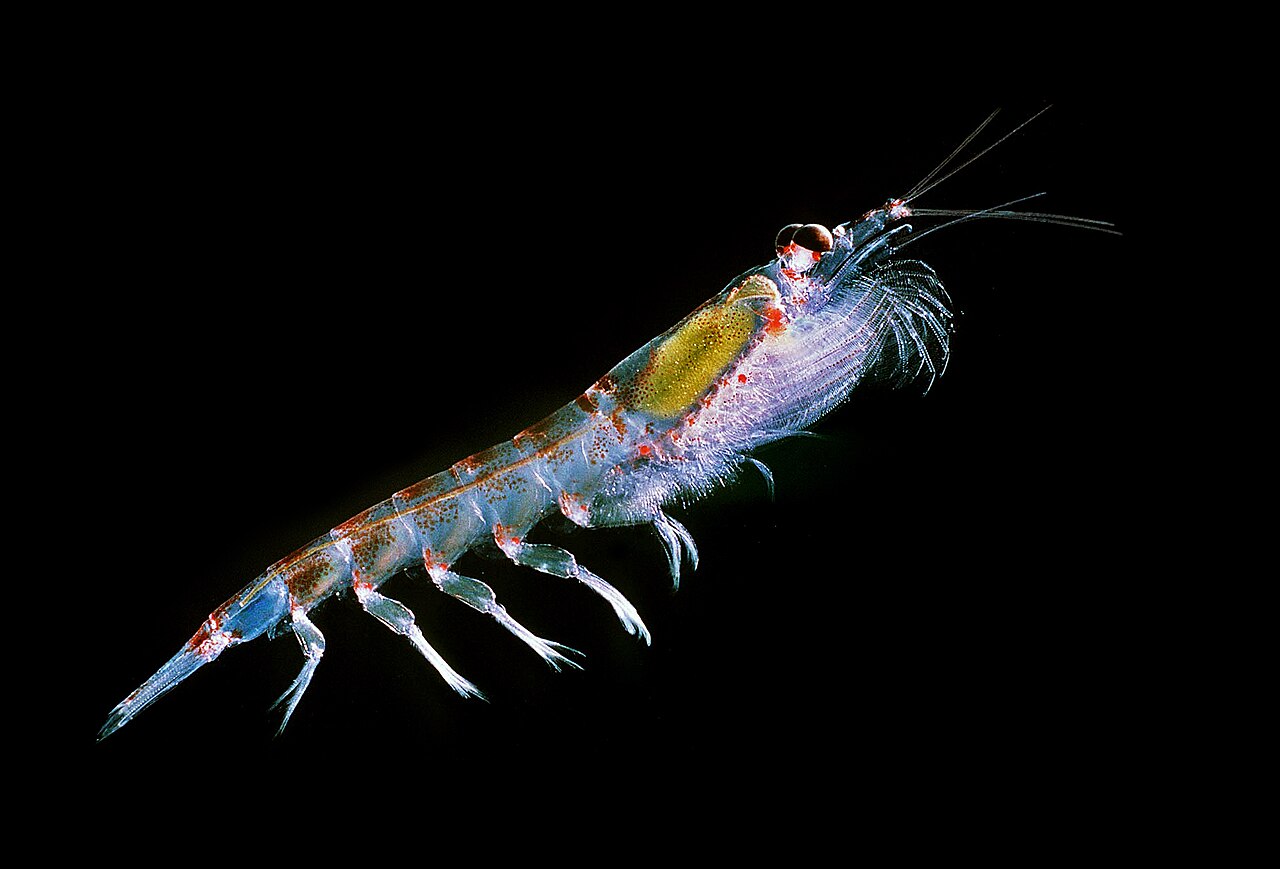

Bioluminescence, the mesmerizing phenomenon of living organisms emitting light, captivates both the scientific community and the general public. This natural glow, produced through biochemical reactions within organisms, is not just a stunning visual spectacle; it serves critical biological functions such as communication, predation, and defense. Among the marine species exhibiting this enchanting trait is Euphausia superba, commonly known as the Antarctic krill.
Antarctic krill are small, shrimp-like creatures pivotal to the Southern Ocean ecosystem. Measuring only about 6 centimeters in length, these organisms form massive swarms that can stretch for kilometers, creating dense patches visible even from space. Krill are primarily known for their role in the marine food web, serving as a crucial source of nutrition for a variety of animals, including whales, seals, and penguins.
The bioluminescence of Euphausia superba is particularly intriguing. These krill possess organs known as photophores, which emit a subtle glow. This light production is believed to serve multiple functions. One hypothesis suggests that bioluminescence helps krill evade predators by disrupting the silhouette of their swarms when viewed from below, blending their shape into the downwelling light. Another theory proposes that the light aids in schooling behavior, allowing krill to communicate and maintain group cohesion in the dark waters of their habitat.
Bioluminescence in krill also underscores the broader ecological and biological significance of this trait. In the dark depths of the oceans, where sunlight fails to penetrate, bioluminescence is not merely a means of survival; it shapes the dynamics of predator-prey interactions and influences the structure of marine communities.



Leave a Reply