When COVID-19 caused significant economic disruptions, thousands of people around the world experienced sudden shocks to their financial situation through reduced earnings or job losses.
Now economic researchers at the University of South Australia have examined the mental health effects on people who experienced immediate or expected financial setbacks during the height of the pandemic.

Data gathered from China, Japan and South Korea during the early phases of the pandemic revealed that the severe economic shocks induced by COVID-19 caused significant effects to people’s mental health including anxiety, sleeping troubles, boredom and loneliness.
UniSA’s Associate Professor of Economics Tony Cavoli says the anticipation of future income loss had a more profound impact on people’s mental wellbeing compared to the actual decreases in their income.
Sign up for the Daily Dose Newsletter and get every morning’s best science news from around the web delivered straight to your inbox? It’s easy like Sunday morning.
“Our research shows that mental health issues are more likely to occur due to anticipated income losses rather than actual losses. It was also interesting to find that although women are generally more likely to experience mental health problems, in many instances in our study we found that men were more likely to experience anxiety than women in response to either actual or expected losses in their income,” he says.
“There are a couple of reasons as to why this might be the case. Firstly, in societies that are perhaps seen as more traditional in terms of household and familial structures, it is possible that males feel greater societal pressure to remain employed. Secondly, those industries for which there was a higher likelihood of experiencing income reductions were more likely to have greater participation by males.”
The initial impacts of COVID-19 lockdowns led to decreased demand, a reduction in hours worked and significant job losses. The Australian Bureau of Statistics predicted the pandemic caused a $47 billion hit to the country’s economy.
Assoc Prof Cavoli says his study presents an important insight into people’s anxieties arising from economic turbulence and uncertainties.
“We have an insight into how people dealt with income shocks during stressful times, and this is a really important opportunity for future policy implications, particularly around the design of government support and other interventions,” he says.
“Responses from governments, for example, early in times of crisis may help individuals manage possibility anxieties arising from economic uncertainties.”
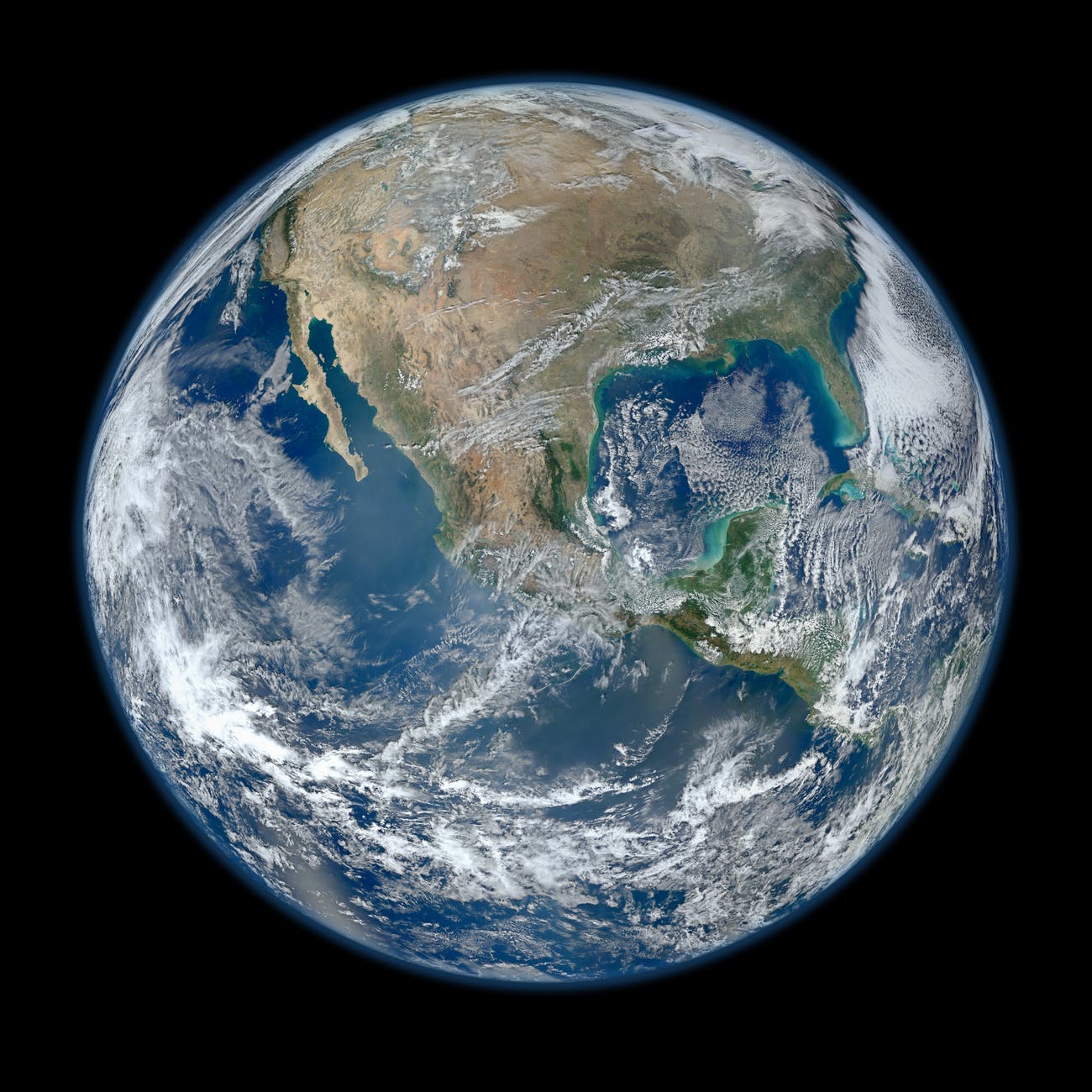
IMAGE CREDIT: NASA.
If you enjoy the content we create and would like to support us, please consider becoming a patron on Patreon! By joining our community, you’ll gain access to exclusive perks such as early access to our latest content, behind-the-scenes updates, and the ability to submit questions and suggest topics for us to cover. Your support will enable us to continue creating high-quality content and reach a wider audience.
Join us on Patreon today and let’s work together to create more amazing content! https://www.patreon.com/ScientificInquirer




Leave a Reply