
META TO LAUNCH LLAMA 3 AI, EYES OPENAI RIVALRY.
Meta announced at a London event that Llama 3, the next iteration of its large language model for generative AI assistants, will be launched within the next month. This move follows a report by The Information, confirming Meta’s imminent release of the model. Nick Clegg, Meta’s president of global affairs, indicated the launch of various versions of Llama 3 with different capabilities throughout the year. Chris Cox, Meta’s Chief Product Officer, mentioned that Llama 3 will be integrated into multiple Meta products. This development is part of Meta’s effort to compete with OpenAI’s ChatGPT, which has significantly influenced the mainstream adoption of generative AI. Despite a cautious approach that received criticism for its limitations, Llama 3 aims to broaden its question-answering capabilities, including more controversial topics, with the ambition of becoming the most useful AI assistant. Unlike its predecessors, Llama 3, expected to have around 140 billion parameters, will be an open-source project, reflecting Meta’s philosophy towards AI development. However, Meta remains cautious, especially in other AI domains like image generation, delaying the release of its image generation tool, Emu. Amidst these developments, Meta’s chief AI scientist, Yann LeCun, highlighted his skepticism towards generative AI, favoring a different approach known as joint embedding predicting architecture (JEPA) for future AI advancements. (TechCrunch)
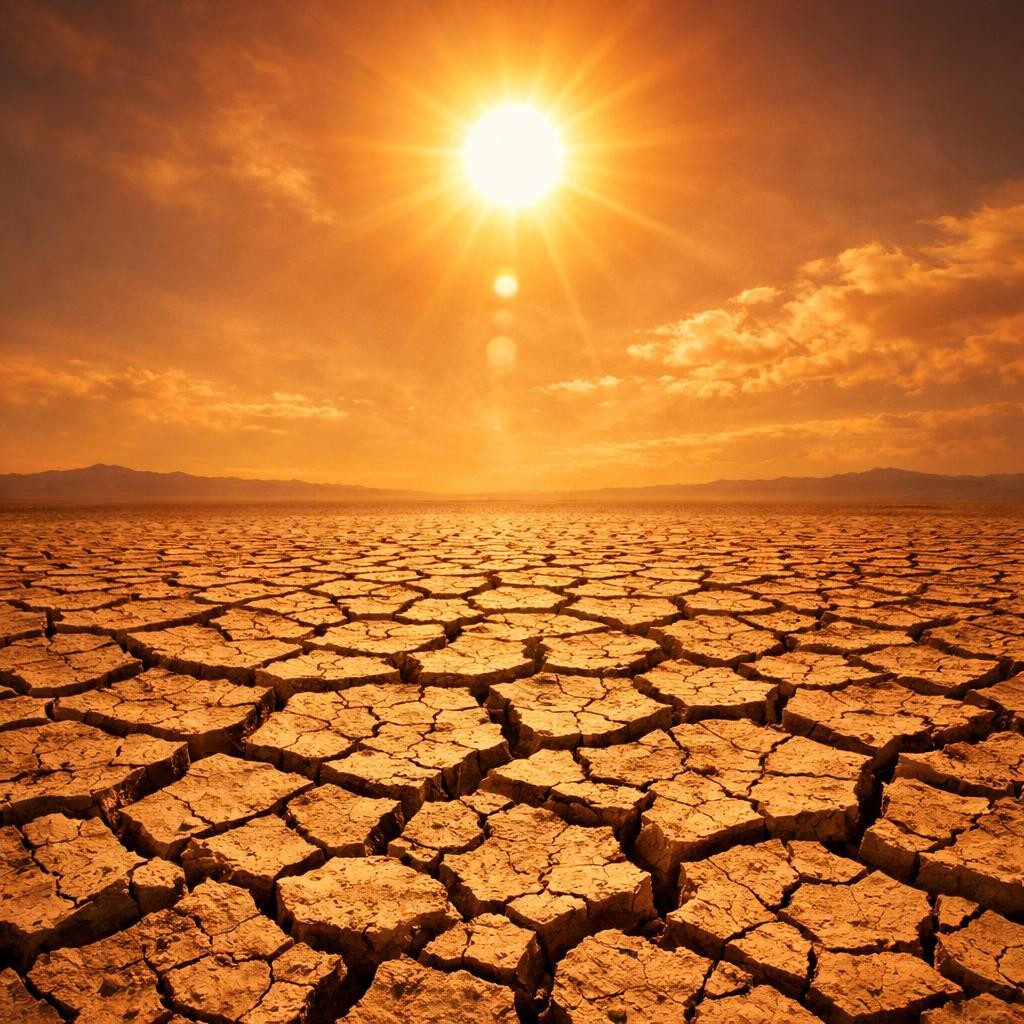
CLIMATE CHANGE ESCALATES GLOBAL MENTAL HEALTH CRISIS.
In Kenya and the Bahamas, individuals like Laureen Wamaitha and Vashti-Eve Burrows face the mental toll of climate change, reflecting a global rise in climate-induced mental health issues. Wamaitha has endured the cyclical devastation of her crops by drought and floods, leading to constant anxiety and panic attacks. Burrows, witnessing the destruction wrought by Hurricane Dorian, questions the future existence of her island nation due to climate change. Their experiences contribute to a broader discourse on how climate change exacerbates mental health disorders, affecting nearly a billion people globally. A 2021 survey revealed that over half of the young population experience negative emotions due to climate change, signaling a significant psychological response to the crisis. Despite historical neglect, research into the mental health impacts of climate change, including eco-anxiety and trauma from natural disasters, is expanding. The intersection of climate change and mental health not only highlights the immediate and chronic stressors affecting individuals worldwide but also underscores climate injustice, with younger generations and marginalized communities bearing disproportionate mental burdens. Researchers and activists emphasize the need for greater awareness, understanding, and action to address the mental health consequences of climate change, advocating for support mechanisms that include climate activism as a coping strategy. (Nature)
If you’re enjoying the Daily Dose, sign up for the Daily Dose Newsletter and get the morning’s best science news from around the web delivered straight to your inbox? It’s easy like Sunday morning.
YS BIOPHARMA’S RABIES VACCINE SHOWS PROMISING PHASE 3 RESULTS
YS Biopharma, a Chinese biotech company, is optimistic about the phase 3 trial results of its PIKA rabies vaccine, which utilizes the company’s proprietary adjuvant technology. In a trial with 4,500 participants across the Philippines and Pakistan, the vaccine demonstrated promising interim data, particularly in achieving primary immunogenicity endpoints—geometric mean titers and seroconversion rates of rabies virus neutralizing antibodies at Day 14 among the first 900 participants. Impressively, at Day 7, the vaccine’s seroconversion rate was twice that of an approved comparator, without compromising safety. These interim findings suggest that the PIKA rabies vaccine could offer accelerated, best-in-class protection, aligning with the WHO’s objective for a one-week rabies vaccine regimen as opposed to the traditional three- or four-week schedules. YS Biopharma’s vaccine aims to improve upon the immune response speed and efficacy against rabies compared to current vaccines, potentially addressing the treatment completion barriers posed by longer regimen lengths. The company has received an orphan-drug designation from the FDA and is engaging with regulatory agencies in several countries, including the Philippines, Pakistan, Singapore, and China, to advance the global fight against rabies. (Fierce Biotech)
PHILIPS HALTS US PRODUCTION AMID CPAP RECALL SETTLEMENT
Philips, the manufacturer behind a significant global recall of sleep apnea machines, is prohibited from restarting production in its U.S. facilities until it meets several safety criteria, as dictated by a recent settlement with federal officials. This settlement requires Philips to revamp its manufacturing and quality control processes and to seek independent experts to review these changes. Additionally, the company is obligated to replace, repair, or refund all U.S. customers with defective devices. This directive follows nearly three years of efforts to address one of the largest medical device recalls in history, involving over 5 million continuous positive airway pressure (CPAP) machines. These devices, crucial for treating sleep apnea, were recalled due to an issue where internal foam could disintegrate, posing inhalation risks to users. Despite Philips not admitting to the allegations of failing to comply with manufacturing standards, the U.S. Department of Justice emphasizes its commitment to holding manufacturers accountable for compromising public safety. Under the agreement, Philips must also ensure new materials comply with FDA safety standards, amidst ongoing personal injury lawsuits and reports of adverse health effects from users of the recalled machines. (STAT)

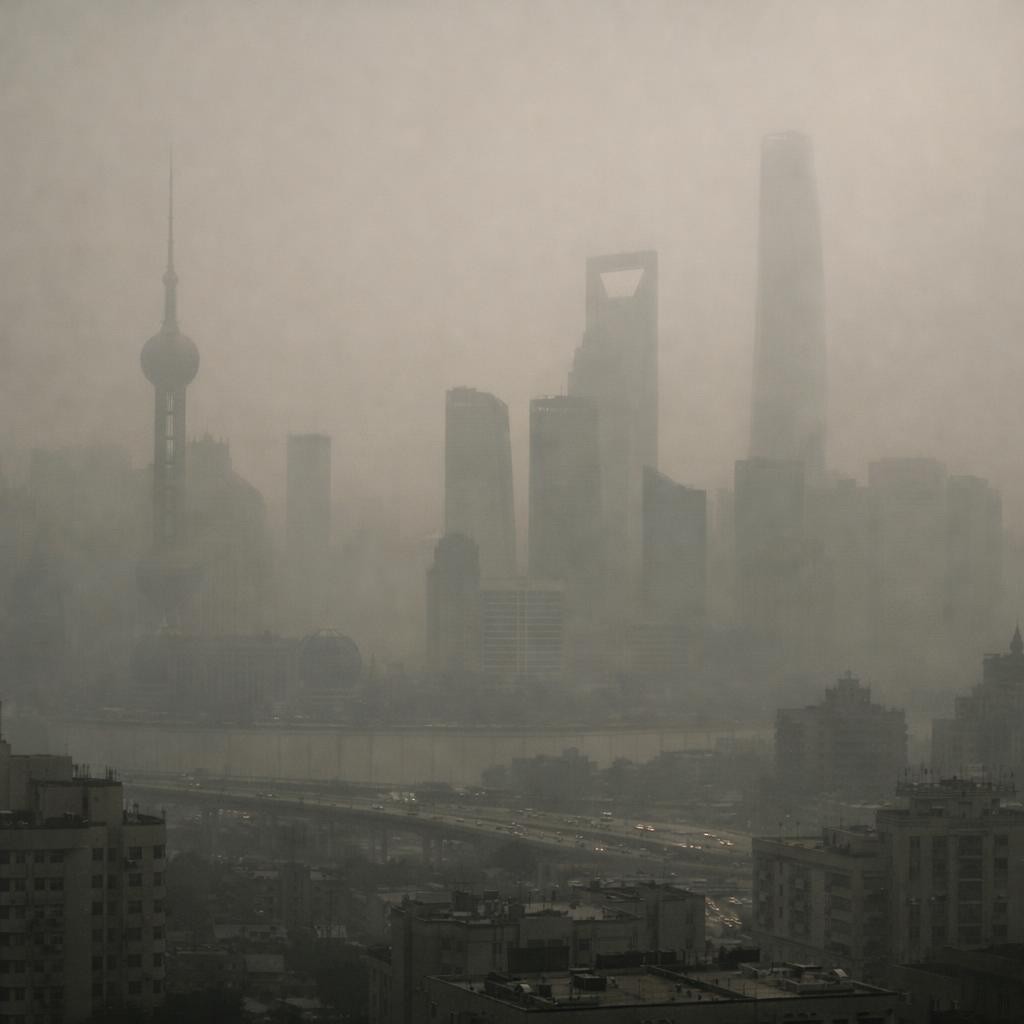
EPA TARGETS CANCER RISK CHEMICALS IN NEW RULES.
The US Environmental Protection Agency (EPA) has announced stringent new rules targeting emissions of ethylene oxide and chloroprene, chemicals linked to higher cancer risks, notably in the Louisiana petrochemical region known as “Cancer Alley.” These regulations mandate chemical manufacturers to monitor and mitigate elevated emissions. Despite the proven association between these chemicals and cancer, there is opposition from industry groups, and previous regulatory efforts have been thwarted by legal challenges. Chloroprene is used in producing neoprene, while ethylene oxide is essential for sterilizing medical equipment, both recognized for their carcinogenic properties. The EPA’s initiative also aims to reduce emissions of additional pollutants like benzene and vinyl chloride, anticipating a near 80% drop in emissions of the targeted chemicals. This reduction is expected to significantly lower cancer risks for those exposed and contribute to smog reduction. Compliance costs are estimated at $150 million annually, a fraction of the involved large corporations’ sales, challenging industry criticism of the regulatory measures’ financial impact. (Ars Technica)
FLUORIDE DEBATE INTENSIFIES IN US COMMUNITIES NATIONWIDE
In Monroe, North Carolina, Regina Barrett is among the growing number of Americans questioning the addition of fluoride to the public water supply, a practice widely adopted for decades to prevent cavities and promote dental health. Recent actions in Union County to cease adding fluoride to drinking water highlight a national debate mirrored in communities from Oregon to Pennsylvania. Advocates for the removal of fluoride argue for the freedom of choice and point to the availability of dental products containing fluoride as making water fluoridation unnecessary. However, public health experts and organizations like the CDC emphasize the combined benefits of water fluoridation and fluoride dental products, particularly for low-income families reliant on tap water for dental care prevention. Critics of fluoridation cite health concerns, despite the recommended fluoride concentration being reduced to 0.7 mg/L in 2015 to mitigate risks such as dental fluorosis and skeletal fluorosis. Instances in Juneau, Alaska, and Portland, Oregon, reflect the contentious and localized nature of this issue, with some communities experiencing increased dental care costs after stopping fluoridation. A federal case in California could potentially mandate the EPA to regulate or ban fluoride in drinking water, signifying the significant public and legal scrutiny surrounding fluoride’s use. (USA Today)
TRENDING TIKTOK ACV HEALTH CLAIMS LACK SCIENTIFIC BACKING.
On TikTok, users have been showcasing the perceived health benefits of apple cider vinegar (ACV), including blood sugar control, weight loss, and improved skin health. Despite its ancient use as a home remedy, many of ACV’s health claims lack comprehensive scientific support. Research led by Dr. Carol Johnston and others has shown potential benefits, such as modest blood sugar control when ACV is consumed before high-carb meals and possible weight loss effects in short-term studies. However, these findings require further validation for long-term health impacts. Skepticism remains around ACV’s effectiveness for digestive health and skin conditions, with anecdotal evidence contradicting or lacking scientific rigor. Safety concerns have been raised regarding ACV’s interaction with certain medications, potential for lowering blood potassium levels, and risk of eroding tooth enamel or damaging the esophagus if consumed undiluted. Experts advise consulting with healthcare professionals before trying ACV for health purposes and consider incorporating it into cooking as a safer alternative to direct consumption or topical application. (New York Times)
BEETLE BIODIVERSITY PUZZLES SCIENTISTS, CONSERVATION EFFORTS URGED
Caroline Chaboo, an entomologist at the University of Nebraska, Lincoln, is fascinated by the diversity and beauty of tortoise beetles, a subset of the vast Chrysomelidae family within the beetle order, Coleoptera. Beetles represent a quarter of all animal species, a curiosity that has puzzled scientists for years. With around 400,000 species identified and more discovered annually, researchers like Chaboo and Duane McKenna of the University of Memphis seek to understand the reasons behind this immense biodiversity. Theories suggest beetles’ longevity, dating back 350 million years, and their survival through mass extinctions contribute to their diversity. Further, the evolution of beetles has been significantly influenced by the diversification of flowering plants during the Cretaceous period, allowing beetles to exploit new ecological niches. Genetic adaptations for plant digestion and symbiotic relationships with microbes have enabled beetles to feed on a variety of plant materials, facilitating their spread and diversification. Despite their resilience, the impact of human activity on beetle populations remains a concern, with scientists emphasizing the need for conservation efforts to ensure their survival. (Knowable Magazine)
GIANT VIRUSES LINKED TO EARLY LIFE EVOLUTION IN HOT SPRINGS
A study from Yellowstone National Park’s hot springs suggests that “giant viruses,” which are larger than some bacteria and possess complex genomes, played a significant role in the early evolution of life. These environments, akin to early Earth conditions, host diverse microbial communities where giant viruses thrive. Researchers at Rutgers University utilized advanced DNA sequencing techniques on samples from Lemonade Creek, a highly acidic hot spring, uncovering that a substantial majority of the DNA belonged to giant viruses, particularly infecting red algae. Contrary to expectations that these viruses were newcomers adapting to the hot springs, findings indicated their ancient origins, dating back 1.5 billion years, with adaptations for survival in extreme conditions. This discovery underscores the potential role of viruses as gene transfer agents among different life forms, facilitating adaptation to harsh environments. The study also revealed distinct viral communities within close proximity, raising questions about the diversity and function of viruses in microbial ecosystems. (Science)
Thanks for reading. Let’s be careful out there.
WORDS: The Biology Guy.
IMAGE CREDIT: Screenshot.

Leave a Reply