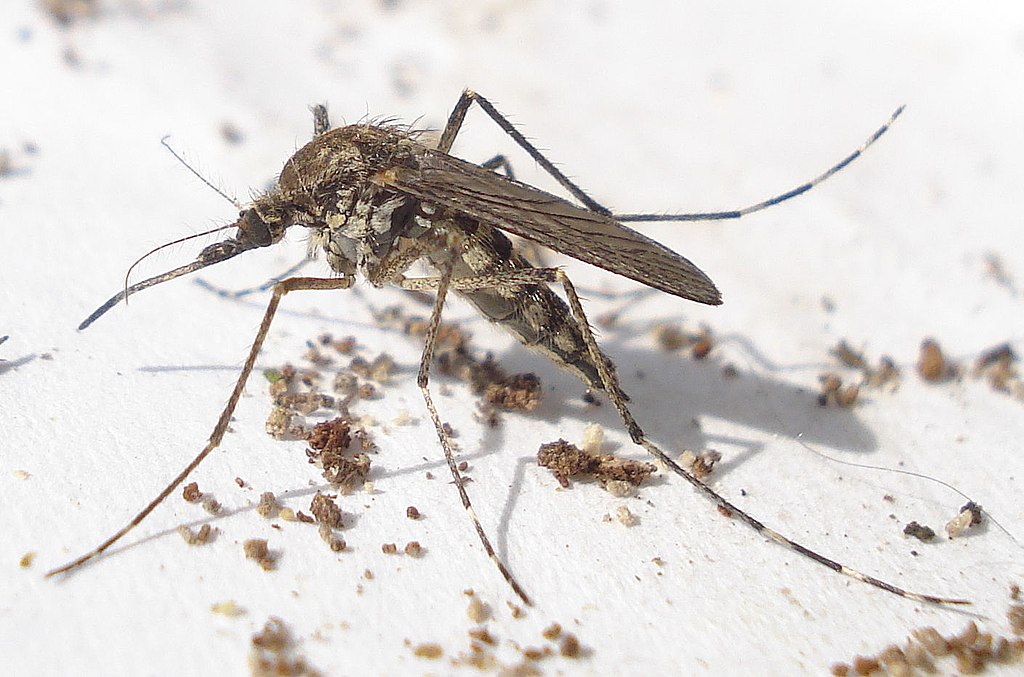
PUERTO RICO FACES DENGUE OUTBREAK, DECLARES HEALTH EMERGENCY
Puerto Rico has declared a public health emergency in response to a significant outbreak of dengue fever, a mosquito-borne illness known for symptoms such as fever, aches, rash, and in severe cases, internal bleeding and shock. The island has reported a 140 percent increase in dengue cases since the beginning of the year, with 549 cases and over 340 hospitalizations. This spike is part of a broader regional trend in the Americas, which saw the highest number of dengue cases on record last year. Health officials in Puerto Rico are urging residents to take preventive measures, including the use of insect repellent and the elimination of standing water, to combat the spread of the Aedes aegypti mosquitoes responsible for transmitting the virus. The Pan American Health Organization has highlighted the role of climate change in expanding mosquito breeding grounds and has labeled the current dengue risk in the region as “high.” (Ars Technica)
KOBAYASHI PHARMACEUTICAL CO. CONFIRMS TWO MORE DEATHS, RECALLS DIETARY SUPPLEMENTS.
Kobayashi Pharmaceutical Co. is facing a growing health scandal after confirming two additional deaths linked to its red yeast rice dietary supplements, bringing the total to four fatalities and over 100 hospitalizations due to kidney-related conditions. The company has initiated voluntary recalls of the implicated products amidst rising public concern and scrutiny from Japan’s health ministry. Company president Akihiro Kobayashi pledged a comprehensive effort to investigate the cause and prevent further harm. The Japanese government, including Prime Minister Fumio Kishida and Chief Cabinet Secretary Yoshimasa Hayashi, has called for a thorough investigation and transparency, noting the public’s increasing alarm. International actions include suspension of online sales in China and removal of products from circulation in Taiwan. The health issues are suspected to be linked to an unknown substance derived from molds in supplements produced since September of the previous year. Kobayashi Pharmaceutical has also requested recalls of all products containing the ingredient from their suppliers, affecting various food items beyond the supplements themselves. (Japan Today)

BIRD FLU DETECTED IN U.S. DAIRY COWS FOR FIRST TIME
The bird flu virus, known for its global impact on poultry and wild birds, has now been detected in U.S. dairy cows for the first time, marking a concerning development in the spread of the H5N1 strain. This outbreak has been reported in Texas, Kansas, and New Mexico, affecting the milk production and health of mainly older cattle. The presence of dead birds on these farms suggests birds as the virus source, yet the potential for direct cattle-to-cattle transmission raises alarms about the virus mutating to infect humans more easily. However, no evidence of such mutation has been found yet. Public health officials maintain that the human risk remains low, and the USDA advises that pasteurization effectively neutralizes the virus in milk. This case of HPAI in cattle is notable since other influenza types have infected cattle without leading to such concern. The situation underscores the unpredictable nature of influenza viruses and the necessity for ongoing vigilance and research to understand and mitigate cross-species transmission risks. (Science)
STUDY REVEALS DNA DAMAGE, REPAIR KEY TO MEMORY FORMATION
A study on mice has revealed that the formation of long-term memories involves a process where brain cells experience significant DNA damage followed by an inflammatory response that repairs this damage, aiding in solidifying the memory. Published in Nature, this research highlights the paradoxical role of DNA damage, typically associated with diseases like cancer, in the healthy cognitive function of memory formation. This finding suggests that the process of creating and retaining memories is both complex and risky, potentially offering insights into neurodegenerative diseases like Alzheimer’s, where a malfunction in this damage-and-repair cycle could lead to accumulative errors in neuron DNA. The study, led by Jelena Radulovic at the Albert Einstein College of Medicine, identified a protein, TLR9, which triggers an immune response to DNA fragments, playing a crucial role in this memory-associated inflammatory response. When TLR9 was removed from mice, their ability to recall long-term memories significantly decreased, underscoring the importance of DNA as a signaling system in memory retention. This discovery opens new avenues for understanding memory formation and its underlying cellular mechanisms. (Nature)
Sign up for the Daily Dose Newsletter and get every morning’s best science news from around the web delivered straight to your inbox? It’s easy like Sunday morning.
GLOBAL COVID-19 RESPONSE SHEDS NEW LIGHT ON IMMUNE SYSTEMS
The COVID-19 pandemic provided an unprecedented opportunity for scientists to observe the human immune system’s response to a new virus in real time, across the global population. Researchers, including veteran immunologist Rafi Ahmed and his former student Ali Ellebedy, were able to witness and document how nearly 8 billion immunologically naive individuals’ immune systems reacted to the introduction of SARS-CoV-2. This unique situation allowed scientists to observe the development of nearly identical antibodies across different individuals, a phenomenon that was both surprising and enlightening given the vast potential diversity of antibody repertoires. Studies conducted during the pandemic have detailed how the immune system responds to various scenarios, such as initial infection, vaccination in unexposed individuals, and combinations thereof, providing invaluable insights into B cell, T cell, and interferon type 1 responses. This period of immunological homogeneity and the subsequent diversity of immune experiences due to infections and vaccinations have drastically expanded our understanding of memory formation, antibody maturation, and the tight interplay between viral evolution and population immunity. Despite the challenges and the scale of the pandemic, this era marked a significant leap in immunological research, revealing mechanisms of immunity with clarity never before possible, and setting a foundation for future studies on viral diseases and vaccine development. (STAT)
XIAOMI LAUNCHES FIRST EV, ENTERS MARKET AMID COMPETITION
Xiaomi, a leading Chinese smartphone manufacturer, has ventured into the electric vehicle (EV) market with the launch of its first car, the Speed Ultra 7 (SU7), priced at approximately $29,900. This move positions Xiaomi against established EV giants such as Tesla and BYD, especially as the global sales growth of EVs begins to slow and a price war emerges. The SU7 aims to attract Xiaomi’s existing customer base by integrating the vehicle’s operating system with the company’s other products, like smartphones and laptops. Manufactured in Beijing by a BAIC Group unit, with a production capacity of up to 200,000 vehicles annually, the SU7’s introduction reflects Xiaomi’s ambition to establish a footprint in the smart EV market, committing to a $10 billion investment in its vehicle business over the next decade. This launch comes at a time when competition in China’s mature EV market intensifies, highlighted by recent price cuts from Tesla and a record profit announcement from BYD, amidst a broader context of international trade tensions related to EV subsidies and imports. (BBC)
META TO UPGRADE RAY-BAN GLASSES WITH AI FOR REAL-WORLD DESCRIPTIONS
Meta is set to transform its Ray-Ban Meta camera glasses into a device reminiscent of science fiction by integrating new artificial intelligence software next month. This software will enable the glasses to describe real-world objects, translate languages, and identify various items, from animal breeds to famous landmarks. Users activate the feature by saying “Hey, Meta,” followed by a prompt, and the glasses respond through tiny speakers. Priced from $300 for frames and $17 for lenses, the glasses previously focused on capturing photos and videos and playing music. Early tests by tech columnists revealed mixed results, with the A.I. impressively identifying specific dog breeds and famous paintings, yet amusingly confusing zoo animals. Despite some inaccuracies and the novelty of speaking to a virtual assistant in public, this update showcases significant advancements in integrating A.I. capabilities with everyday wearable technology, hinting at a futuristic direction for personal gadgets. (New York Times)
HARVARD REMOVES HUMAN SKIN BOOK BINDING, CITES ETHICAL CONCERNS
Harvard University has taken the significant step of removing the human skin binding from a 19th-century book, *Des Destinées de l’Ame* (Destinies of the Soul), in its Houghton Library collection, recognizing the ethically troubling aspects of its origin. Initially identified in 2014 through scientific analysis as being bound in human skin, the book was a gift from author Arsène Houssaye to his friend Dr. Ludovic Bouland in the mid-1880s, who then used the skin of an unclaimed female patient for its cover. Harvard’s decision comes after thorough consideration and consultations, aiming to restore dignity to the woman involved by ensuring a respectful disposition of the remains. The university is also conducting further research into the patient’s background. This act reflects a broader ethical stance on handling human remains and acknowledges past instances where the university may have treated such subjects with insensitivity. Anthropodermic bibliopegy, the practice of binding books in human skin, is noted as an occasional practice historically, often involving the bodies of executed criminals. (BBC)
If you enjoy the content we create and would like to support us, please consider becoming a patron on Patreon! By joining our community, you’ll gain access to exclusive perks such as early access to our latest content, behind-the-scenes updates, and the ability to submit questions and suggest topics for us to cover. Your support will enable us to continue creating high-quality content and reach a wider audience.
Join us on Patreon today and let’s work together to create more amazing content! https://www.patreon.com/ScientificInquirer

Leave a Reply