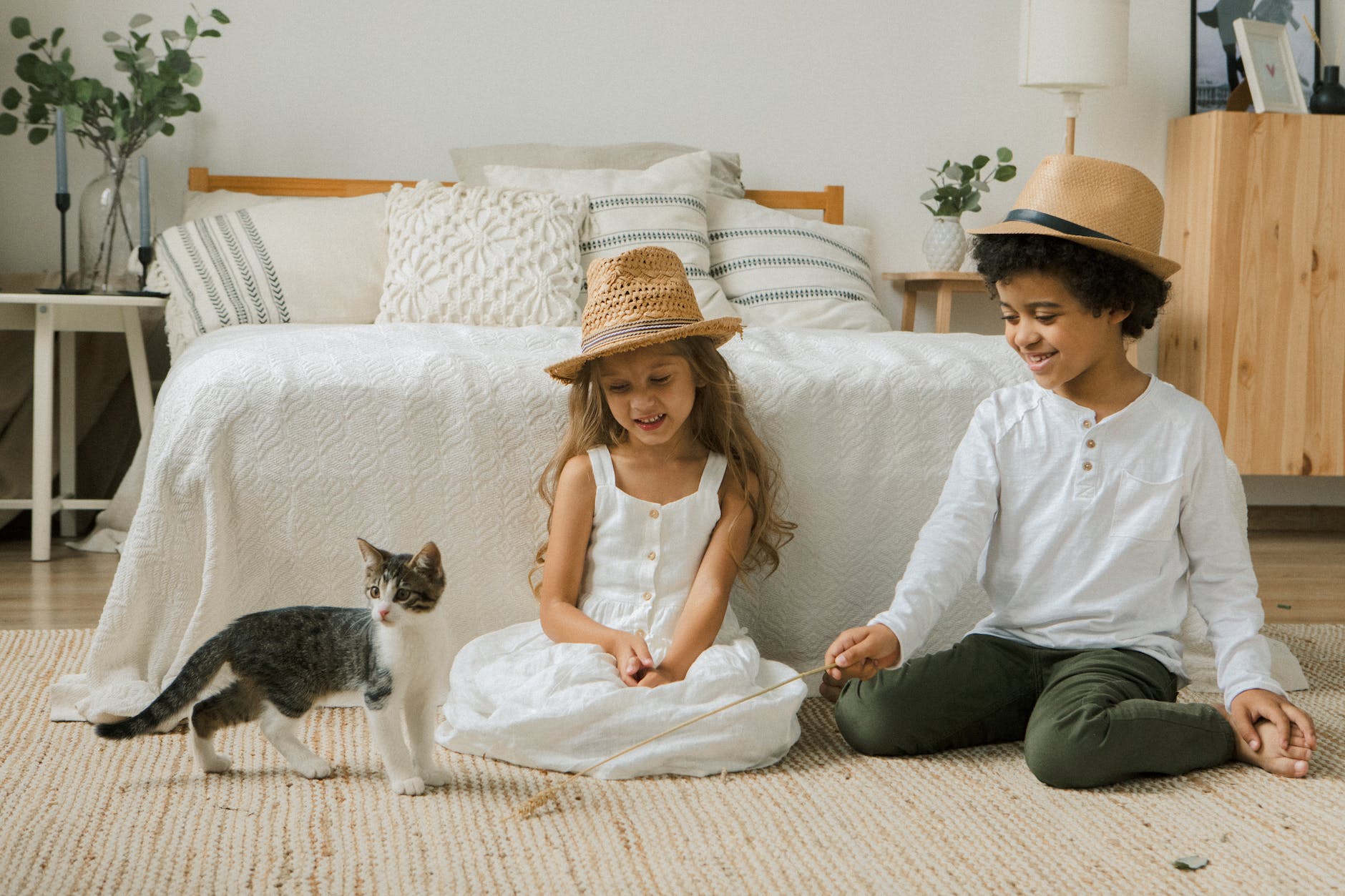
Cats tend to dictate games of fetch with their owners and most cats who play fetch learned to do so without explicit training, according to a survey of 924 cat owners published in Scientific Reports. The findings also highlight the variety of objects that cats prefer to fetch, including hair ties and bottle parts.
Jemma Forman, Elizabeth Renner and David Leavens surveyed cat owners who reported fetching behaviours in 1,154 cats that they currently or previously owned. Owners reported how fetching first occurred, how often it occurs per month, the objects their cat preferred to fetch, and who usually initiated or ended games of fetch.
The authors found that 59% of cats who played fetch did so on up to ten occasions per month and 55% fetched objects up to five times in their most recent game. Cats initiated and ended games of fetch more often than their owners and tended to play fetch more frequently and for longer periods of time during their most recent game when they, rather than their owners, initiated games. Cats also tended to play fetch more frequently and for longer periods of time when their owners usually ended games. Together, this indicates that cats tend to control games of fetch with their owners and may continue to play until owners end them.

94% of owners surveyed reported that their cat began playing fetch without being explicitly trained to do so and that 61% first started fetching as kittens (less than one year old). Although some owners reported the possibility that their cat could have learned to fetch from another animal, only 23% of cats lived with a dog or another cat who fetched.
Out of 160 cats identified as purebreds, Siamese cats were the most frequently reported fetching breed (36 cats), followed by Bengal (16) and Ragdoll (12). The authors found that cats displayed individual preferences for the objects and members of a household they preferred played fetch with, as well as the locations they preferred to play in.
While cat toys accounted for just under 40% of objects used in games of fetch, the majority of objects that cats preferred to fetch were objects either found in a household, such as hair ties or bottle parts, or thrown opportunistically by owners, such as crumpled paper. Common locations for games of fetch were bedrooms and stairs.
The findings suggest that cats tend to control games of fetch with their owners and highlight the individual variation in cat fetching behaviours.
IMAGE CREDIT: EKATERINA BOLOVTSOVA
Sign up for the Daily Dose Newsletter and get the morning’s best science news from around the web delivered straight to your inbox? It’s easy like Sunday morning.



Leave a Reply