Nora Schmidt is a postdoc in the Munschauer lab and one of the co-first authors. “We discovered that a host protein called SND1 recognizes a specific type of viral RNA known as negative-sense RNA,” she says. “This negative-sense RNA serves as a template for amplifying new viral RNA molecules, but is not translated into protein.”
SARS-CoV-2, the virus responsible for the disease COVID-19 with nearly seven million deaths worldwide to date, has a characteristic genetic makeup made entirely of ribonucleic acid (RNA). This RNA contains instructions for creating new copies of the virus. When SARS-CoV-2 infects a host cell, it takes over the cell’s gene expression machinery to copy and reproduce itself. This involves creating various types of viral RNA, each with a specific role in the replication cycle of the virus.
In a study of the Würzburg Helmholtz Institute for RNA-based Infection Research, a site of the Braunschweig Helmholtz Centre for Infection Research in cooperation with the Julius-Maximilians-Universität Würzburg, a team headed by research group leader Mathias Munschauer focused on the interactions between different SARS-CoV-2 RNAs and the proteins of the human host cell. Their findings have just been published in the journal Cell.
“While we have learned a lot about the functions of the virus’s own proteins, we are still figuring out how proteins from the infected human cell impact the ability of SARS-CoV-2 to replicate,” Munschauer explains the backdrop of the study.

Nora Schmidt is a postdoc in the Munschauer lab and one of the co-first authors. “We discovered that a host protein called SND1 recognizes a specific type of viral RNA known as negative-sense RNA,” she says. “This negative-sense RNA serves as a template for amplifying new viral RNA molecules, but is not translated into protein.”
Addition to the SARS-CoV-2 textbook
SND1 turned out to be essential for the virus to effectively copy viral RNA within human cells. It not only binds to the negative-sense viral RNA synthesis templates, but also interacts with a viral protein called NSP9.
Yuanjie Wei is also a member of the first authors’ team. “Our research revealed a crucial detail,” the PhD student is happy to report. “Stimulated by the human factor SND1, the virus kickstarts its RNA production by using its own protein NSP9 as a primer.” In other words, NSP9 serves as the first building block of the growing RNA chain.
With SND1, the authors describe the first host protein identified to recognize negative-sense viral RNA. They were also able to show for the first time that the binding of a human protein to SARS-CoV-2 RNA and its interaction with NSP9 is helping to initiate viral replication. If the host factor SND1 is absent, the initiation of viral RNA synthesis by NSP9 is impaired and the production of viral RNA is less efficient.
These findings are surprising and prompt an update of the coronavirus textbooks, concluded the team, which also involved scientists from other research institutions in Germany and the U.S., including the FOR-COVID Research Network and the Broad Institute of MIT and Harvard in Boston. In addition to basic research, medicine could benefit from new therapeutic targets in the future. What’s more, there is evidence that rare sequence variants in the SND1 gene may be linked to severe COVID-19 infections and hospitalizations.
In this context, further research is required. It will also be interesting to analyze in the future if the function of SND1 and NSP9 is conserved in other coronaviruses or, for example, if the human protein SND1 also stimulates replication of other RNA viruses that cause human disease, such as influenza or RSV (respiratory syncytial virus). Moreover, future work will need to illuminate the exact molecular features driving SND1 binding to negative-sense RNA of SARS-CoV-2 or other coronaviruses.
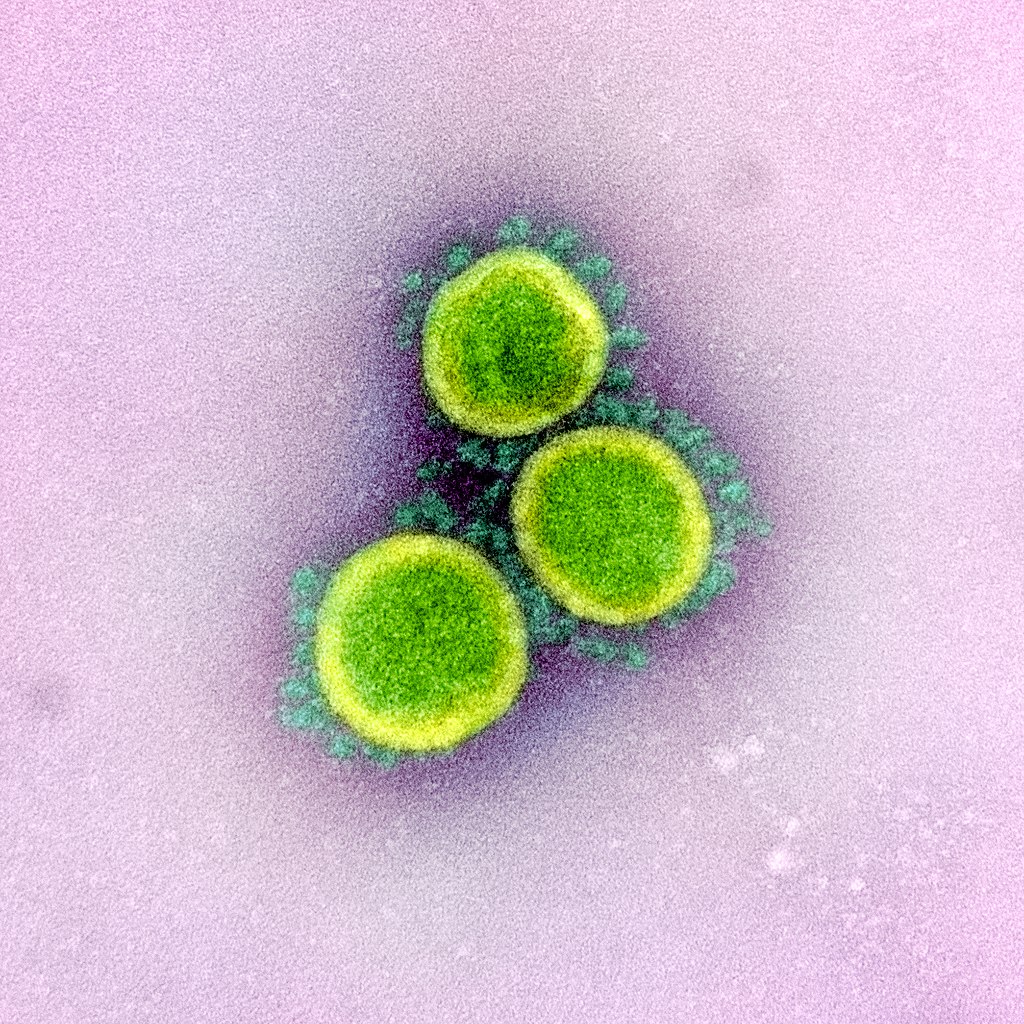
IMAGE CREDIT: CDC.
Sign up for the Daily Dose Newsletter and get the morning’s best science news from around the web delivered straight to your inbox? It’s easy like Sunday morning.




Leave a Reply