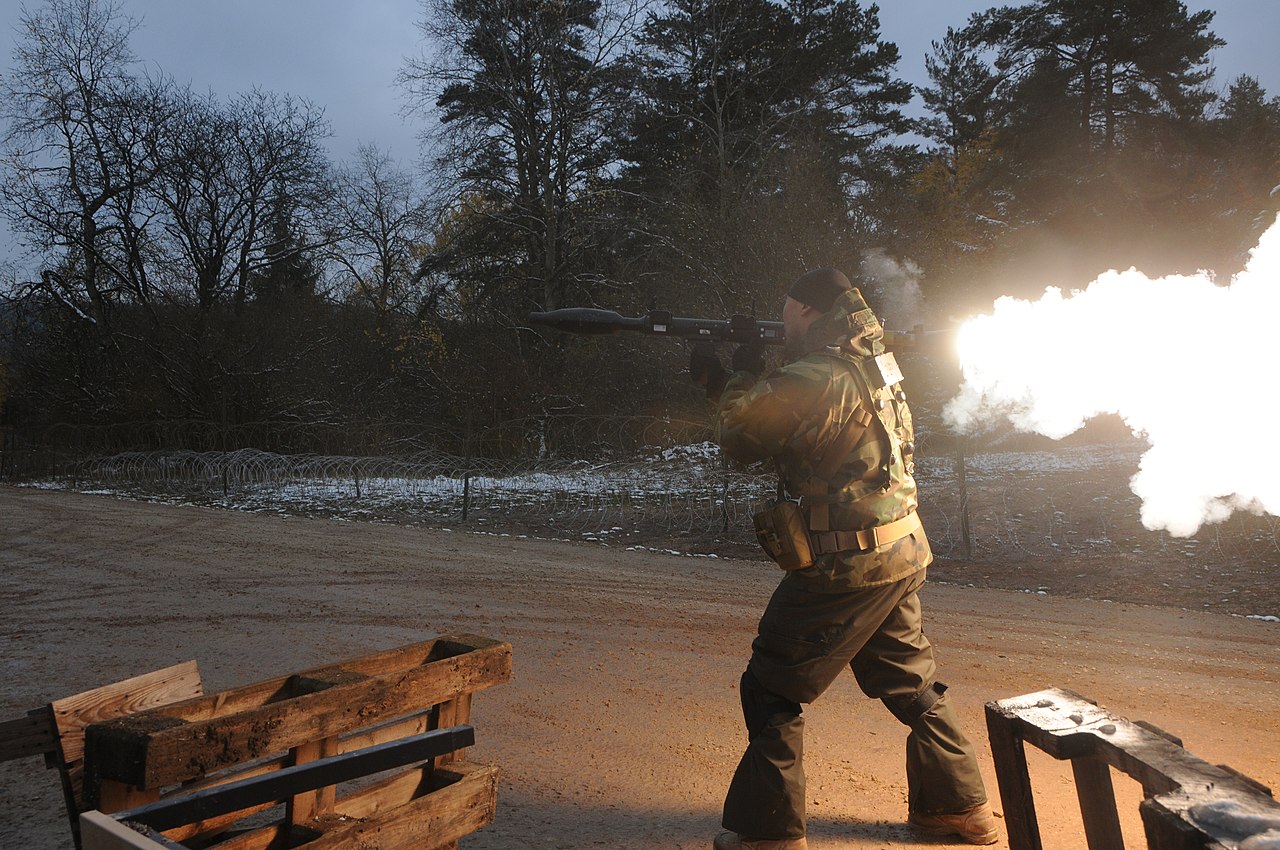
The issue of brain injuries among military personnel due to repeated exposure to weapon blast shock waves, especially in training, is a pressing concern. Despite evidence and congressional mandates for action, there’s a notable gap between policy and actual practices in the field.
According to a New York Times article, the situation is exemplified by Special Operations troops training with rocket launchers like the Carl Gustaf M3, which produce shock waves far exceeding safety thresholds. These blasts can lead to temporary or possibly permanent brain damage, affecting memory, reaction times, coordination, and cognitive functions. Although the Pentagon has established a threshold for hazardous blast exposure, training practices and blast exposure tracking have seen little change.
Several studies and initiatives are addressing this issue. Dr. Michael Roy’s study, for instance, is collecting empirical data on how these blasts impact soldiers’ performance. Navy studies have also linked higher blast exposure in troops to an increased risk of mental health issues, including anxiety, depression, substance abuse, and psychiatric disorders.

Traumatic brain injuries are a critical and increasingly recognized concern in the U.S. military, particularly after America’s series of conflicts in Iraq and Afghanistan, impacting service members’ health, well-being, and operational readiness. TBIs are caused by a blow or jolt to the head, or a penetrating head injury that disrupts the normal function of the brain. The severity of TBIs can range from mild (commonly known as concussions) to severe, with long-lasting effects.
In military settings, TBIs can occur during combat, training exercises, or as a result of accidents. The use of improvised explosive devices (IEDs) in modern warfare has significantly increased the incidence of TBIs among military personnel. These injuries are not always immediately apparent and can have profound and long-lasting effects on cognitive function, physical ability, and psychological health.
Mild TBIs, while often overlooked, can have substantial impacts on a service member’s ability to perform duties. Symptoms can include headaches, dizziness, fatigue, mood changes, and difficulties with concentration and memory. These symptoms, while sometimes subtle, can significantly impair a soldier’s effectiveness.
Severe TBIs can lead to long-term or permanent impairments in functions such as motor control, speech, vision, and emotional regulation. In addition to the physical and cognitive challenges, individuals with TBIs often experience psychological effects, including depression, anxiety, and post-traumatic stress disorder (PTSD). This interplay between physical injury and mental health challenges complicates diagnosis and treatment.
Initially, a TBI usually involves a direct blow to the head, rapid acceleration or deceleration, or a penetrating injury, causing the brain to move abruptly within the skull. This movement can lead to coup-contrecoup injuries, where the brain strikes the inside of the skull at the impact point (coup) and then hits the opposite side (contrecoup), resulting in contusions and tissue tearing.
In severe cases, the brain experiences diffuse axonal injury due to the shearing forces from rapid movements, damaging the axons that transmit messages between neurons. This disruption severely impacts the brain’s communication pathways. Concurrently, swelling or bleeding increases intracranial pressure, further damaging brain tissue by compressing it against the skull and impairing blood flow and oxygen supply.
Following the initial injury, secondary brain damage can occur, involving inflammation, toxic substance release, and blood-brain barrier disruption. This phase can lead to further deterioration over hours to days.
TBI often results in reduced blood flow (ischemia) and oxygen deprivation (hypoxia), exacerbating brain cell damage and death. The outcome of a TBI varies significantly, ranging from temporary symptoms to long-term or permanent cognitive, physical, and emotional impairments, largely influenced by the injury’s severity and location, the individual’s health, and the timeliness of medical intervention.
If you enjoy the content we create and would like to support us, please consider becoming a patron on Patreon! By joining our community, you’ll gain access to exclusive perks such as early access to our latest content, behind-the-scenes updates, and the ability to submit questions and suggest topics for us to cover. Your support will enable us to continue creating high-quality content and reach a wider audience.
Join us on Patreon today and let’s work together to create more amazing content! https://www.patreon.com/ScientificInquirer
According to the Times’ article, David Borkholder’s development of a wearable gauge to measure blast exposure revealed that a significant portion of exposure resulted from troops’ own weapons, not enemy bombs. However, the Army shelved the gauge program, citing data consistency and reliability concerns, though there are suggestions that the real reason was the inconvenient nature of the findings.
The military’s inaction in the face of available evidence and potential solutions is criticized. Providing blast gauges to service members could substantially reduce exposure, as they tend to adjust their behavior to avoid blasts when they can monitor their exposure. Yet, the Pentagon is still deliberating on how to effectively implement blast exposure monitoring.
The story of Ryan Larkin, a Navy SEAL who faced numerous blasts during his service and training, highlights the severe consequences of repeated blast exposure. His suicide and the analysis of his brain tissue, which showed unique damage from blast exposure, stress the urgency of this issue.
Legislative efforts to set safety standards and track exposure have made slow progress. Troops report little change in their day-to-day experiences. Cory McEvoy, a former Special Operations medic, expressed disappointment in the lack of a systemic approach to monitoring and mitigating blast exposure, indicating a substantial disconnect between policy discussions and their practical application in the field.
IMAGE CREDIT: SGT Robert Sheets/U.S. Army.

Leave a Reply