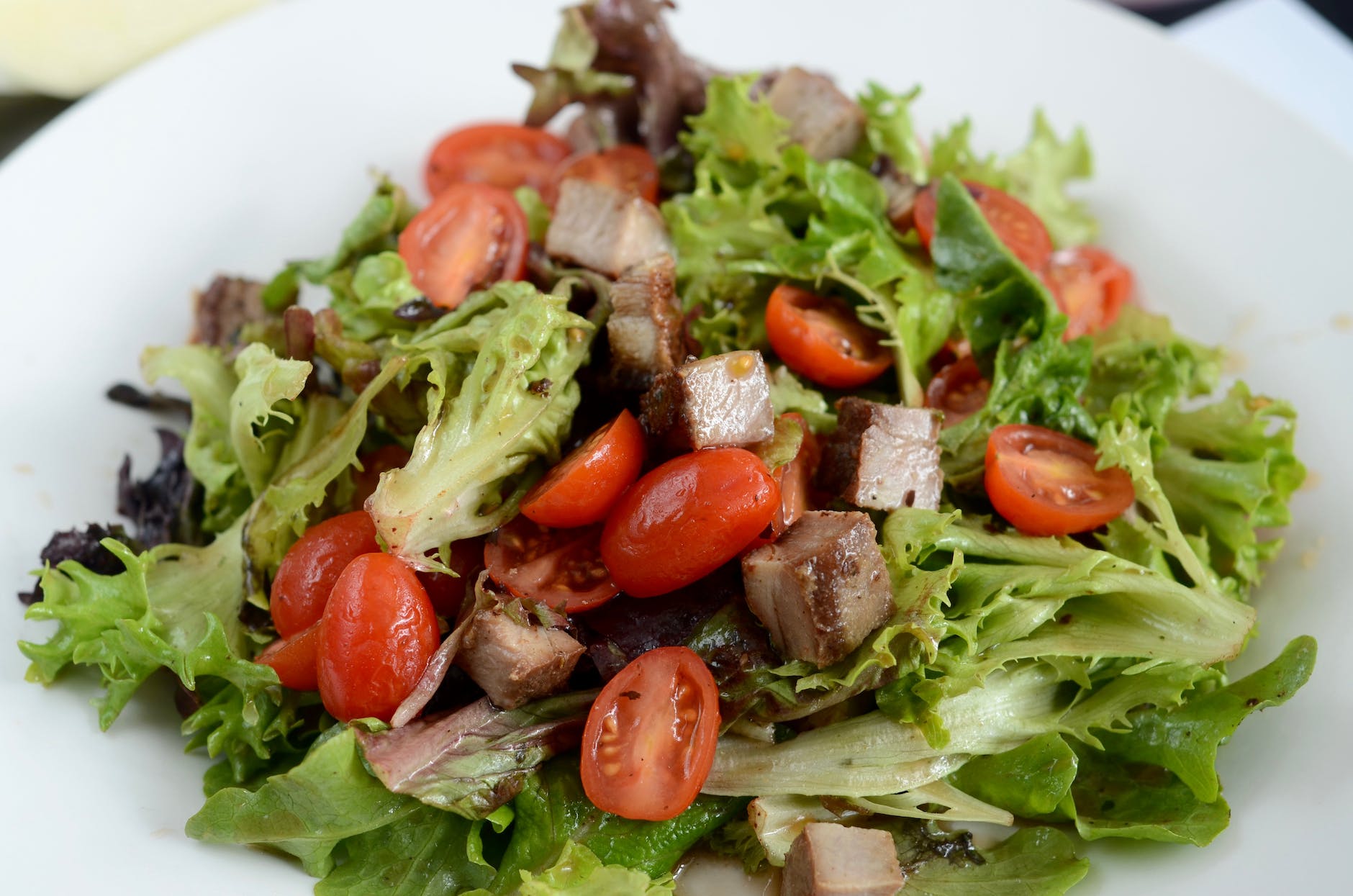
A review article published in the journal Foods describes a study that provides an overview of research on minimally processed vegetables (MPVs), with a specific focus on the Brazilian market.
Data is presented on hygiene indicators and pathogenic microorganisms, especially Escherichia coli (the main indicator of fecal contamination), Salmonella spp., and Listeria monocytogenes, with prevalence rates ranging from 0.7% to 100%, 0.6% to 26.7%, and 0.2% to 33.3% respectively.
The article also discusses outbreaks of food-borne disease (food poisoning) associated with consumption of fresh vegetables in Brazil between 2000 and 2021. “Although there is no information about whether these vegetables were consumed as fresh vegetables or MPVs, the data highlights the need for control measures to guarantee products with quality and safety for consumers,” the authors write.

Regular consumption of vegetables plays an important role in human nutrition owing to the vitamins, minerals and fiber they contain. “More and more people want healthy food that can be prepared in a short time because of the hurry and stress of everyday life. This trend has led to rising global demand for MPVs. On the other hand, fresh vegetables and MPVs are frequently associated with food-borne diseases. The link is a matter of concern. MPVs are sanitized and disinfected, but studies show this process can be flawed, putting consumer health in danger. Rigorous controls are needed to avoid flaws and cross-contamination,” said Daniele Maffei, last author of the article. She is a professor in the Department of Agroindustry, Food and Nutrition at the University of São Paulo’s Luiz de Queiroz College of Agriculture (ESALQ-USP) in Brazil.
She is also affiliated with the Food Research Center (FoRC), one of the Research, Innovation and Dissemination Centers (RIDCs) funded by FAPESP.
MPVs are cut, sanitized and sold in closed packaging with labeling that suggests they are “ready to eat”. Consumers buy them to prepare meals more quickly and reduce waste, given that the entire contents of each package typically correspond to a single portion. Because they are usually eaten raw, they are normally washed in chlorinated water to remove pathological microorganisms.
“The producer is responsible for marketing products with microbiological quality and safety, which require the implementation of control measures throughout processing. Although washing them at home may be considered unnecessary, some consumers can choose to do so for extra safety,” Maffei said.
According to the article, minimal processing means the use of one or more methods to transform plant-based foods into ready-to-eat (RTE) or ready-to-cook (RTC) products with an extended shelf life while maintaining the same nutritional and organoleptic (sensory) quality of fresh vegetables. Shelf life ranges from a few days to two weeks depending on several factors, such as the quality of the vegetables when fresh, the processing method, packaging, storage conditions, and the possible presence of pathogenic or spoilage microorganisms.
Minimal processing performed in accordance with best practices delays nutrient loss, avoids undesirable changes in texture, color, flavor, and aroma, and prevents microbial spoilage. A wide variety of vegetables can be minimally processed, including leafy greens, such as arugula, lettuce and spinach; cruciferous vegetables, such as broccoli and cauliflower; root vegetables, such as carrots and beetroot; and cucumbers, among others.
In Brazil, the market for MPVs emerged in the mid-1970s with the expansion of fast-food chains, and the presence of MPVs in retail stores is steadily growing, particularly in large urban centers, even though processing makes them about twice as expensive as fresh vegetables.
“Growth of the market for MPVs is a trend in Brazil, and it’s imperative to bring in legislation to regulate the processing and sale of these products,” said Maffei, who has focused on the area since 2012 and has published several articles on the microbiological risks associated with MPVs in such journals as Letters in Applied Microbiology, Food Research International and Journal of the Science of Food and Agriculture).
Sign up for the Daily Dose Newsletter and get the morning’s best science news from around the web delivered straight to your inbox? It’s easy like Sunday morning.



Leave a Reply